
I have been writing blogs for over ten years. Many are now in the archives, and this present-day blog
I hope our videos in the Patch on the Planet series encourage you to look closely at a
Last year we began exploring habitats with the Outdoor Scientists Backpack. Nothing Found
Hattie and Brea built planets and a Solar System model in previous blogs with Gramps. Nothing Found
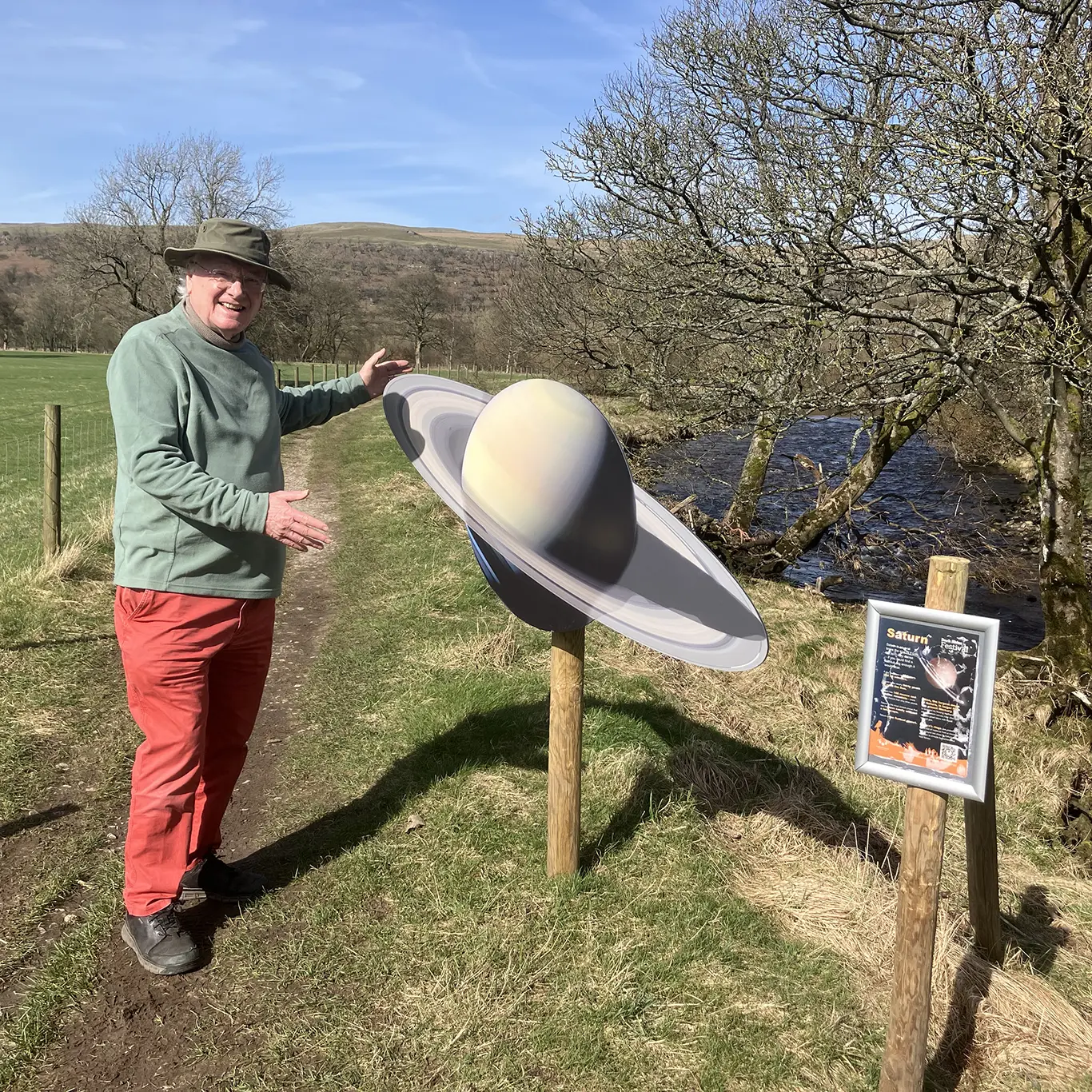
Taking time off from writing, I went on a favourite walk in the Yorkshire Dales and found a huge
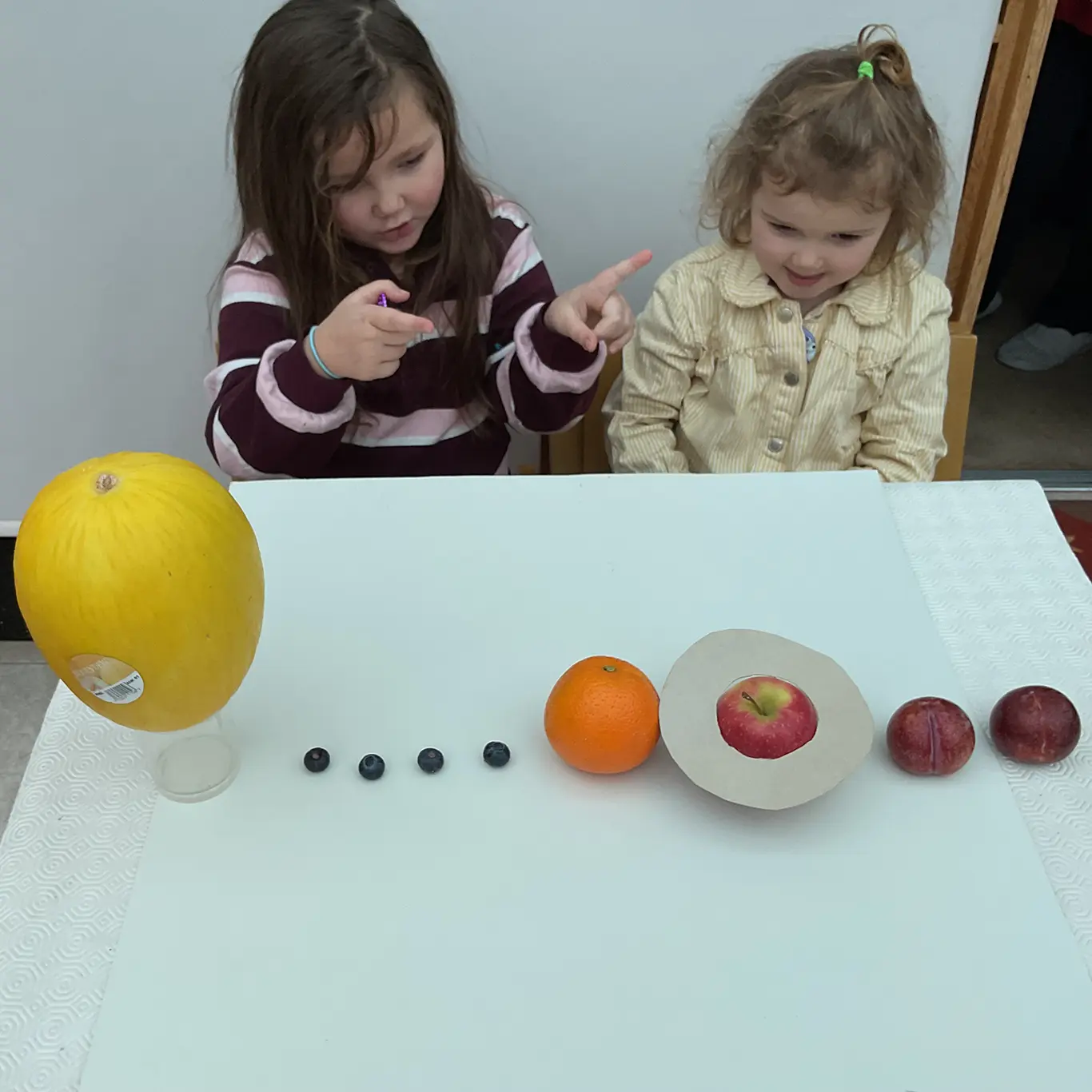
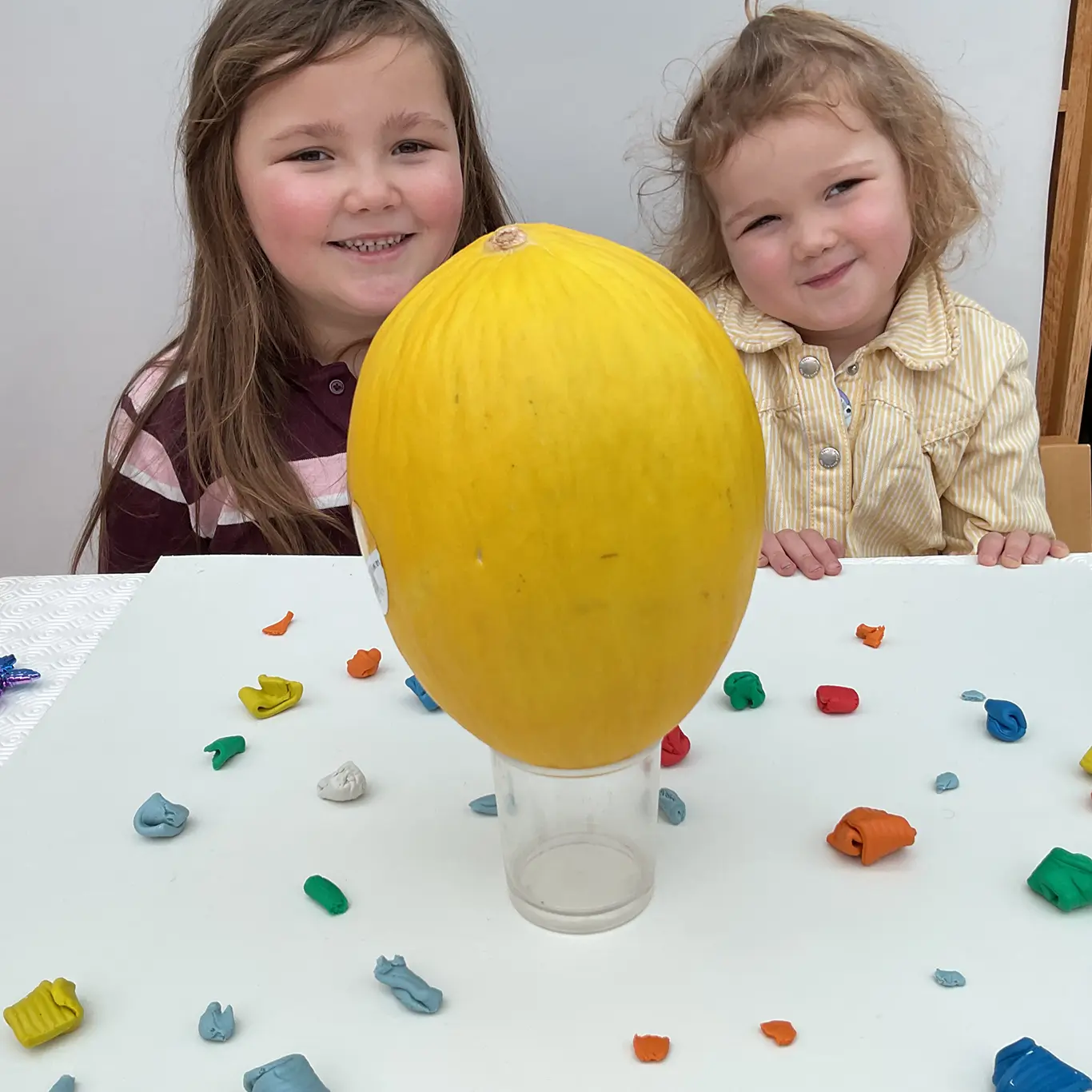
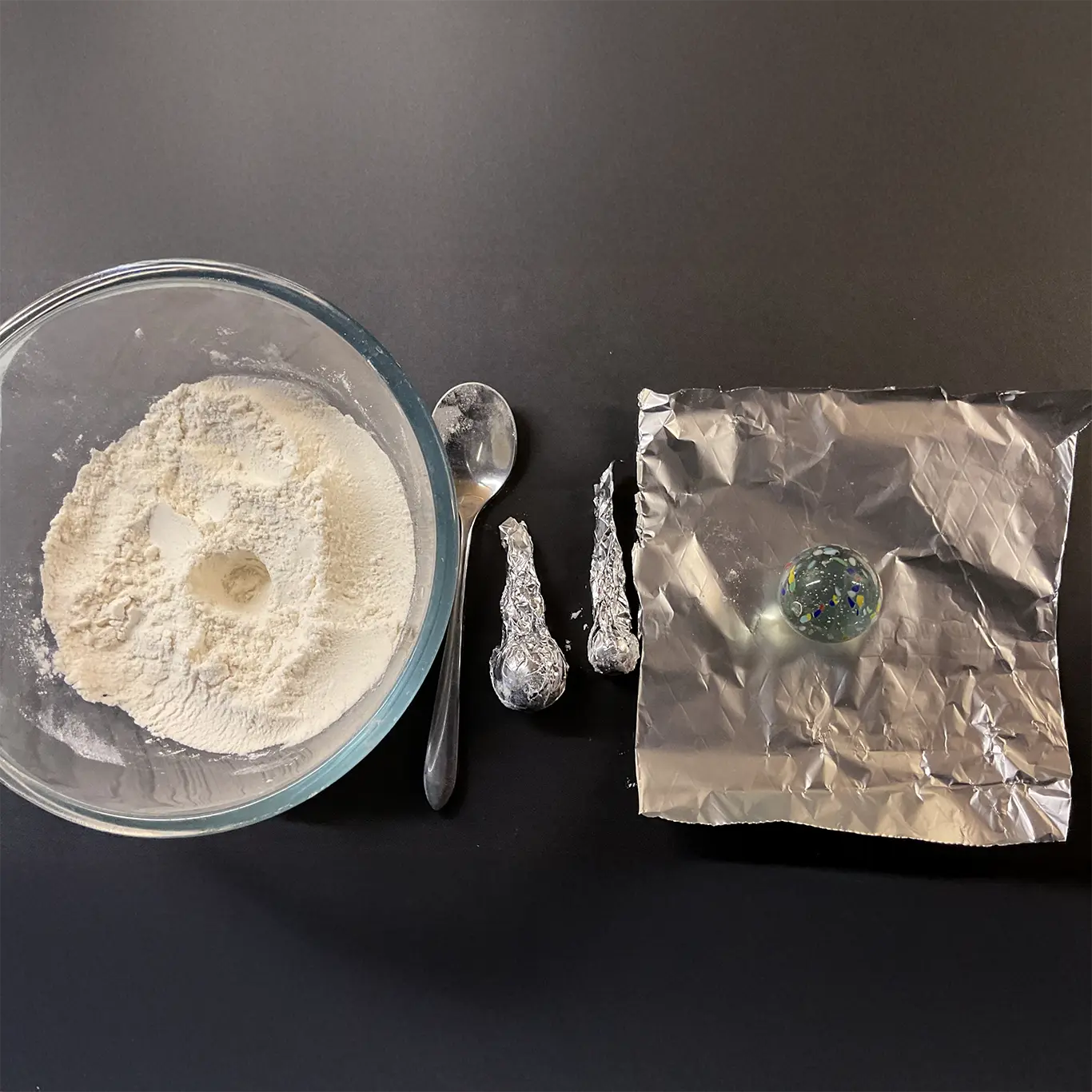
A fruit bowl Solar System Once, on a school visit, I found children in a reception class arguing about
While there are many stars twinkling in the night sky, there may be a couple of lights in the sky
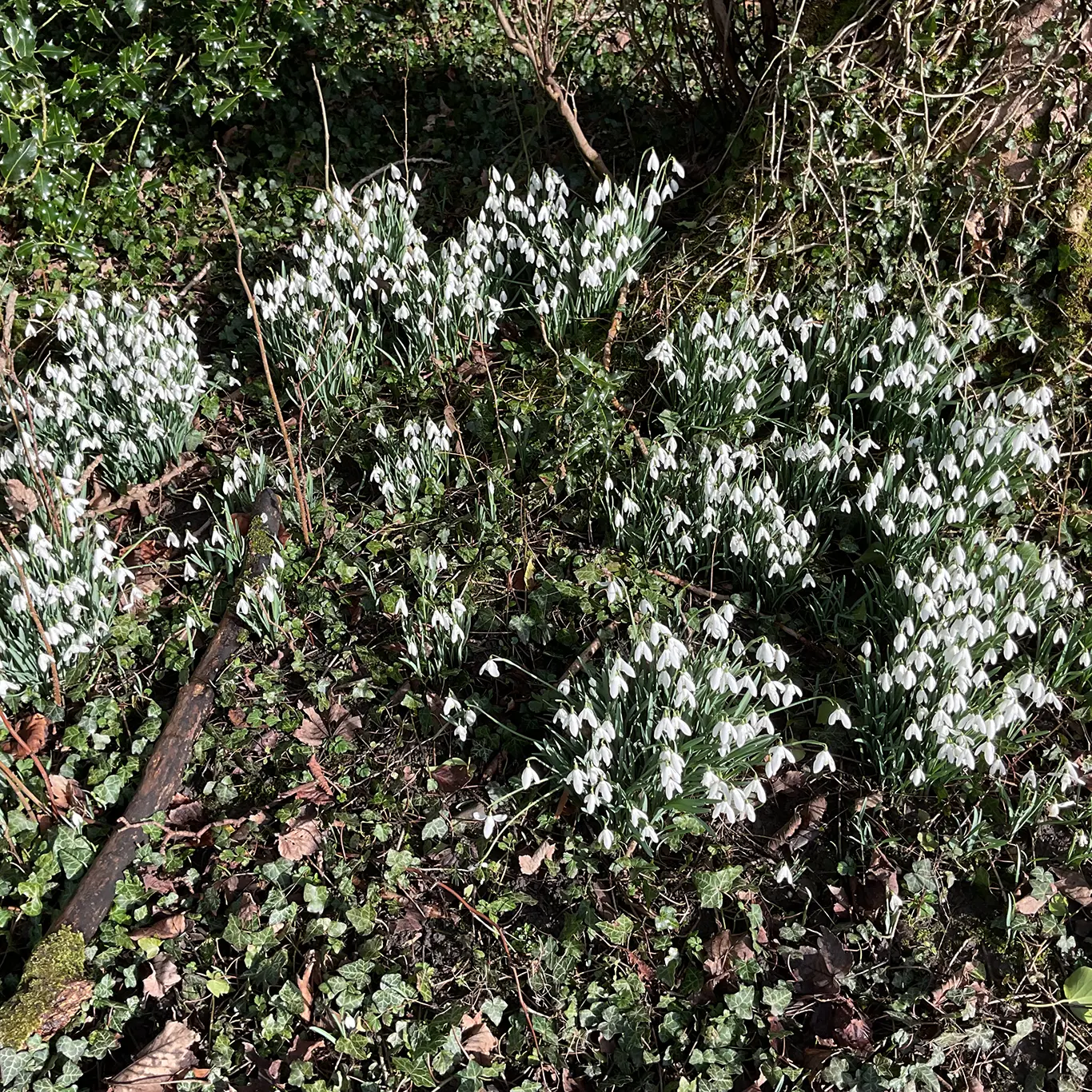
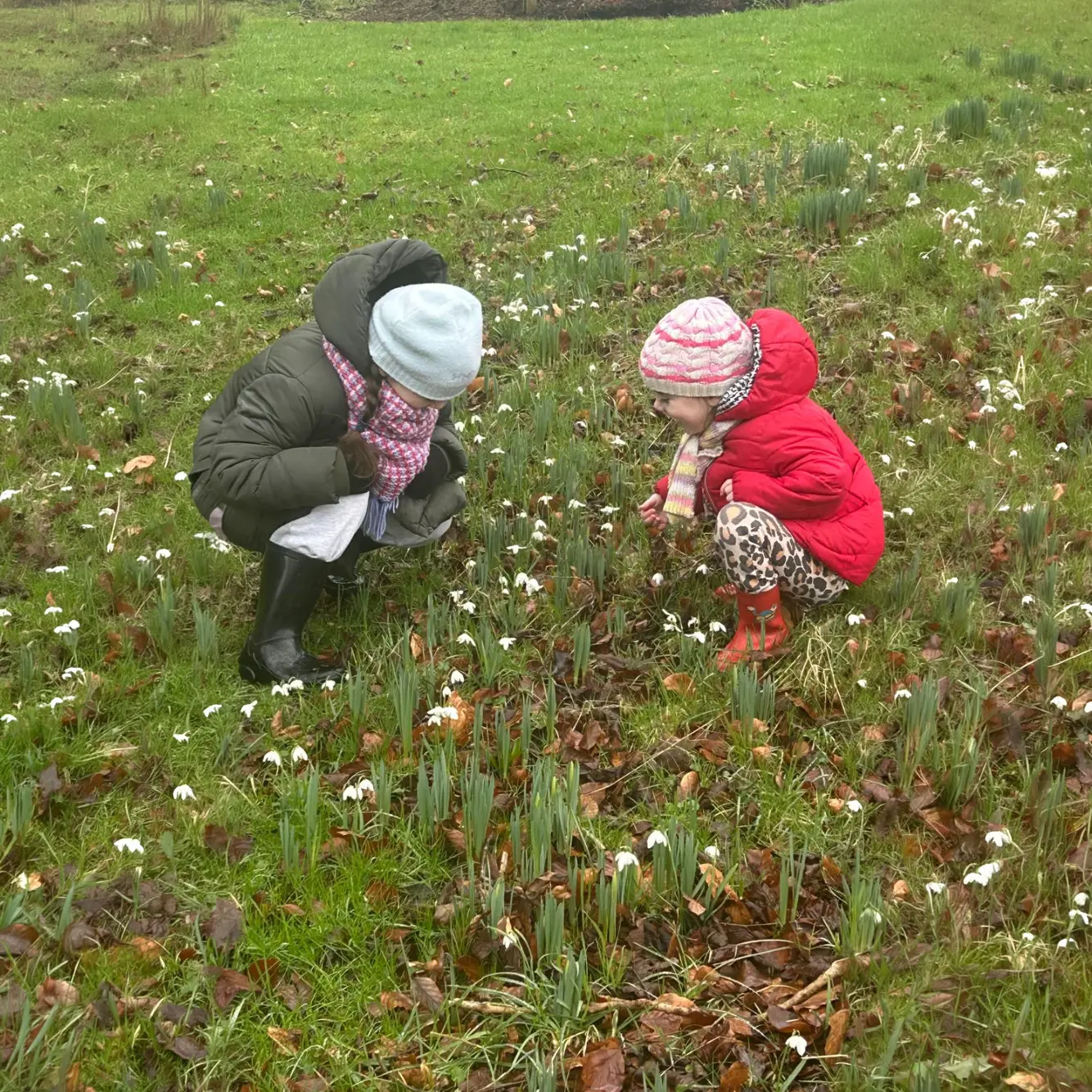
Here are some snapshots of the patch from early to mid February. Snowdrops abound under the trees in the
Join Our Photo Gallery On a previous website a few years ago, I set up a Natural World Photo
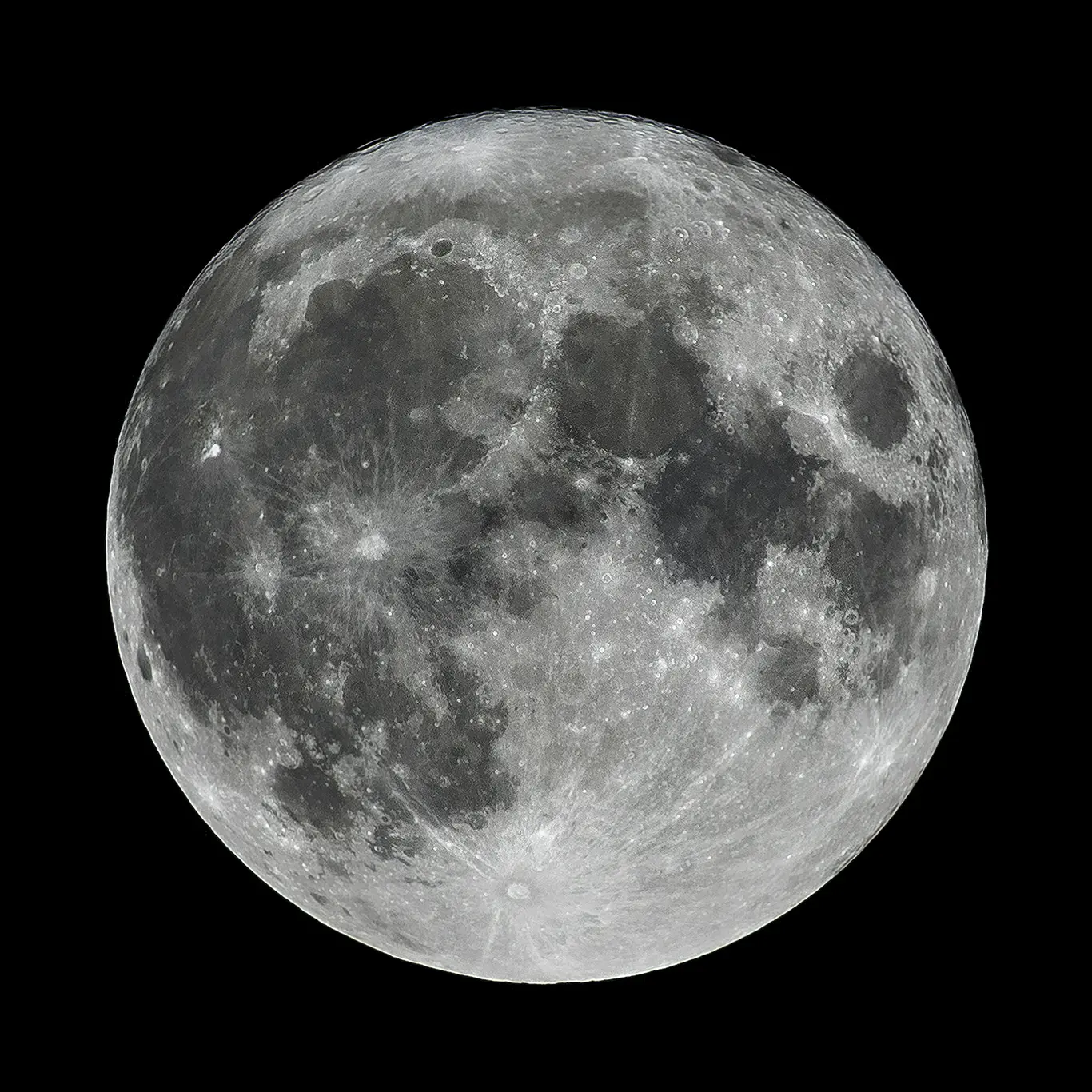
When the girls looked at this photograph of the Moon, they noticed circles on its surface and wanted to know
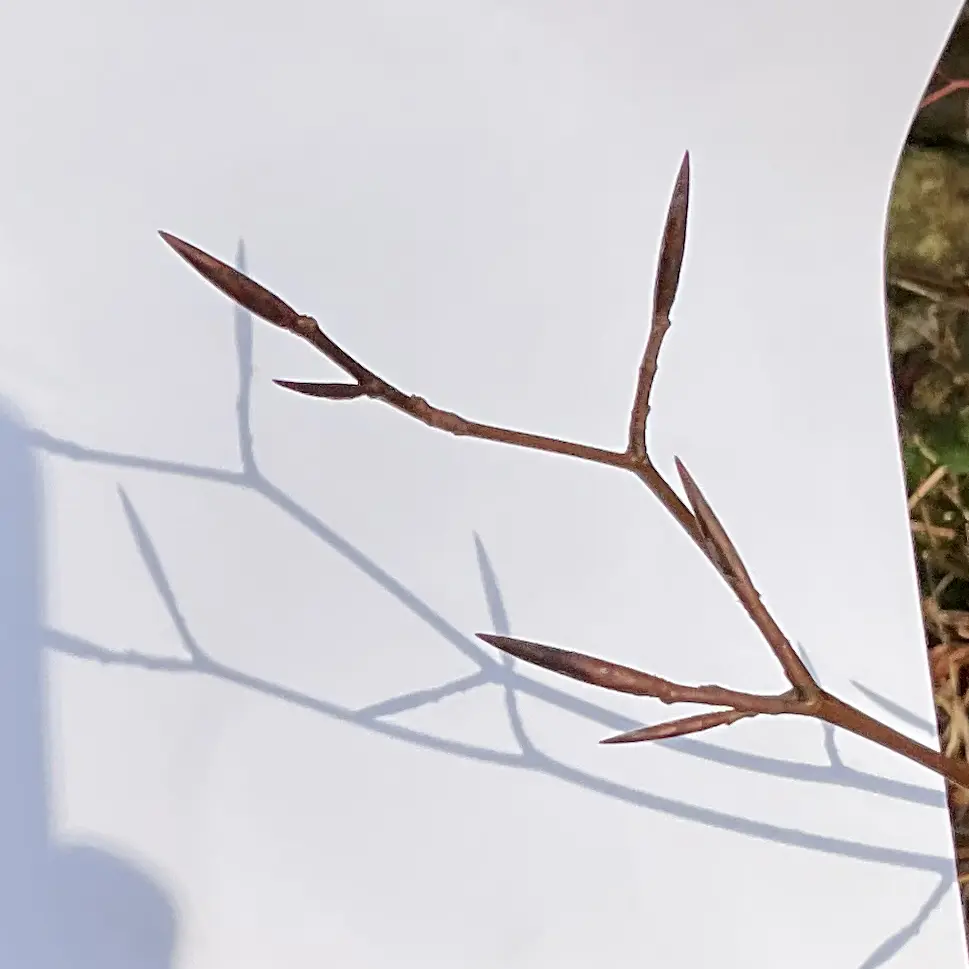
One of the ways to get to know the trees on your patch is to start in the winter by
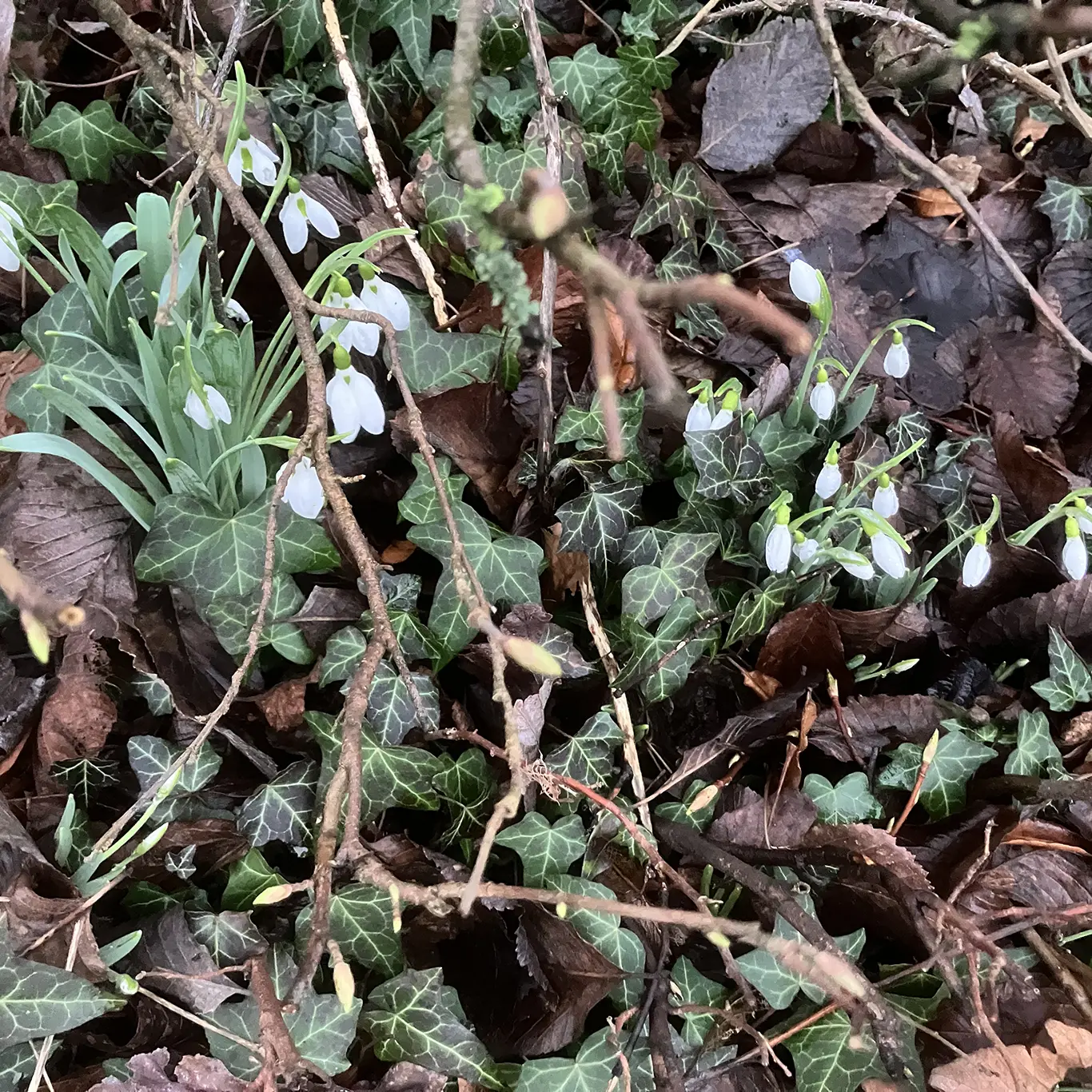
What’s there to see on the patch in the wintertime? Not much, you might think, but you would be
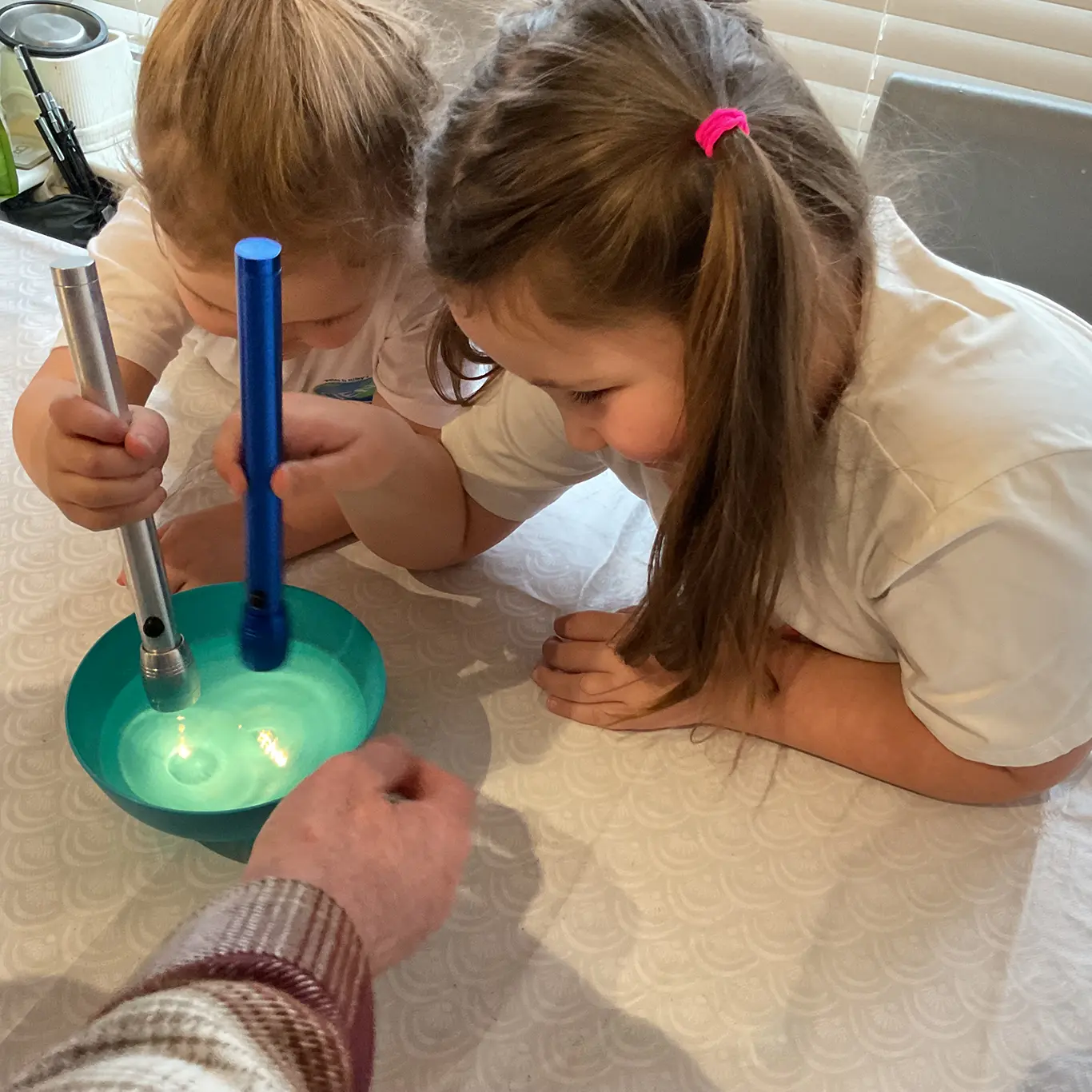
A star is a huge ball of gas. It is actually made from two gases – hydrogen and helium (think
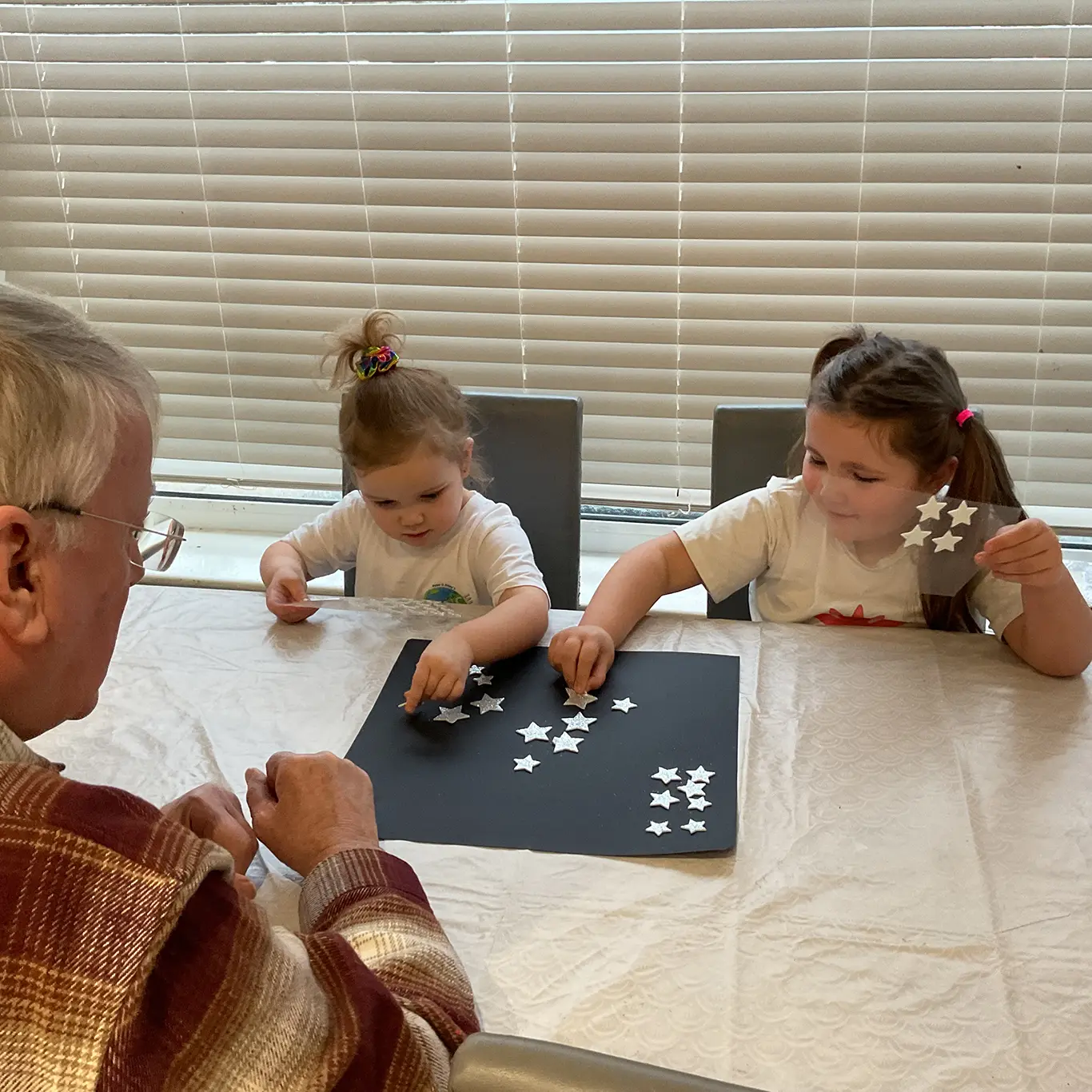
Seeing Stars Learning about stars and constellations If you look up into a clear night sky, you

If you're considering the Cambridge Checkpoint Science series for your Key Stage 3 students, this guide takes you through the
A major feature of every science course is progression. This allows students to build up their scientific literacy to use
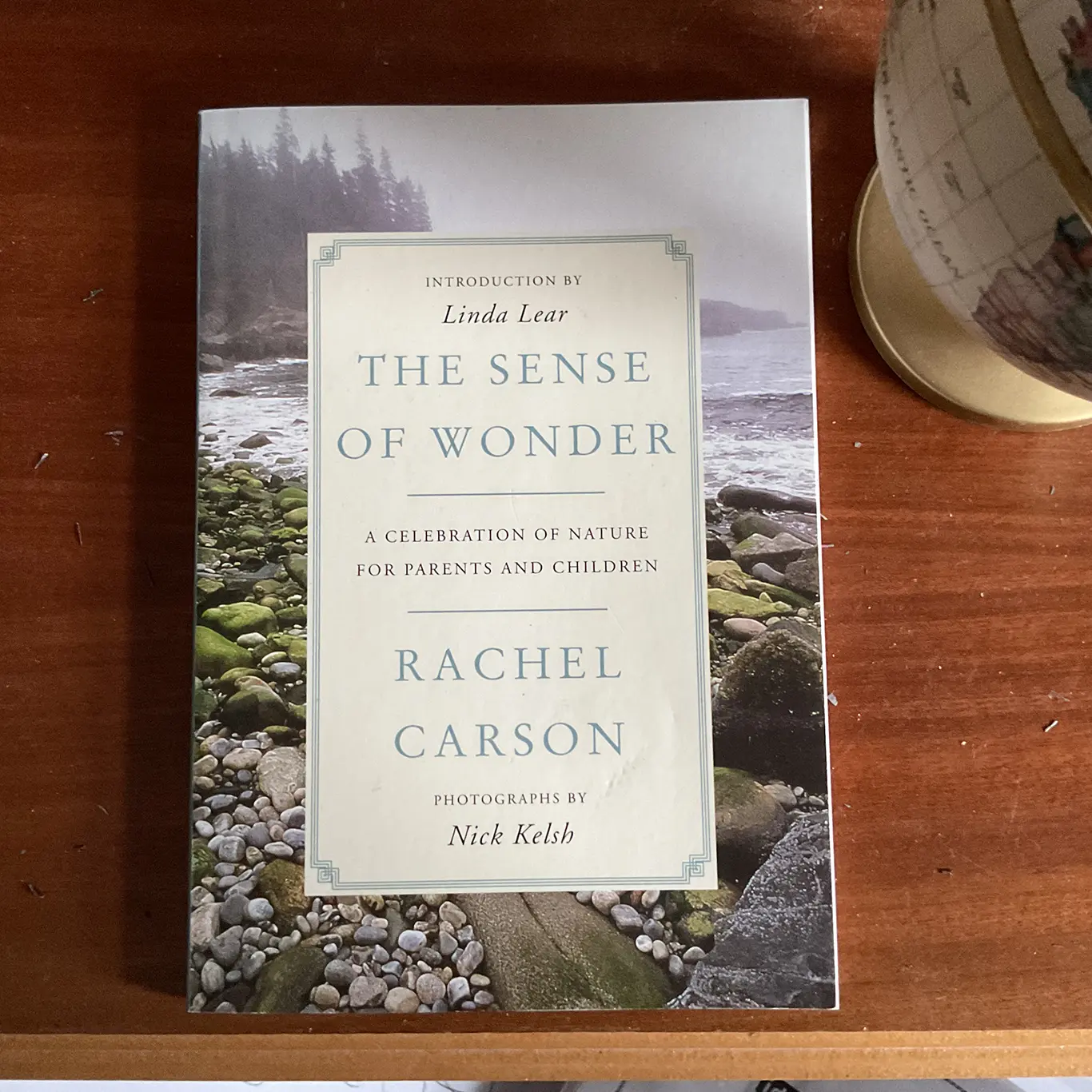
Making an Impression: A Simple Introduction to Nature What were your first memories of nature when you were a
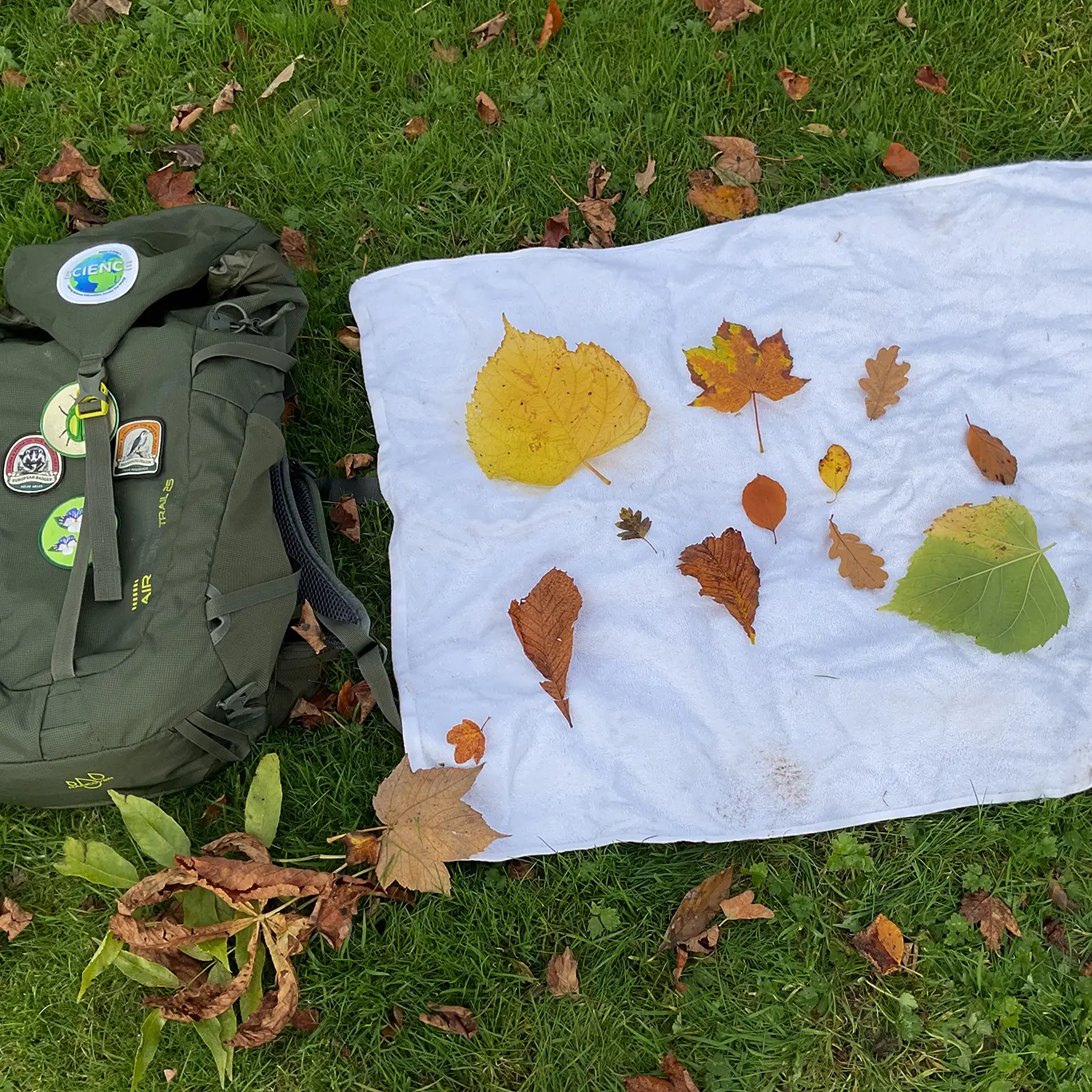
In the first blog in this series, we explored how creating a nature table stimulates curiosity, develops observational skills
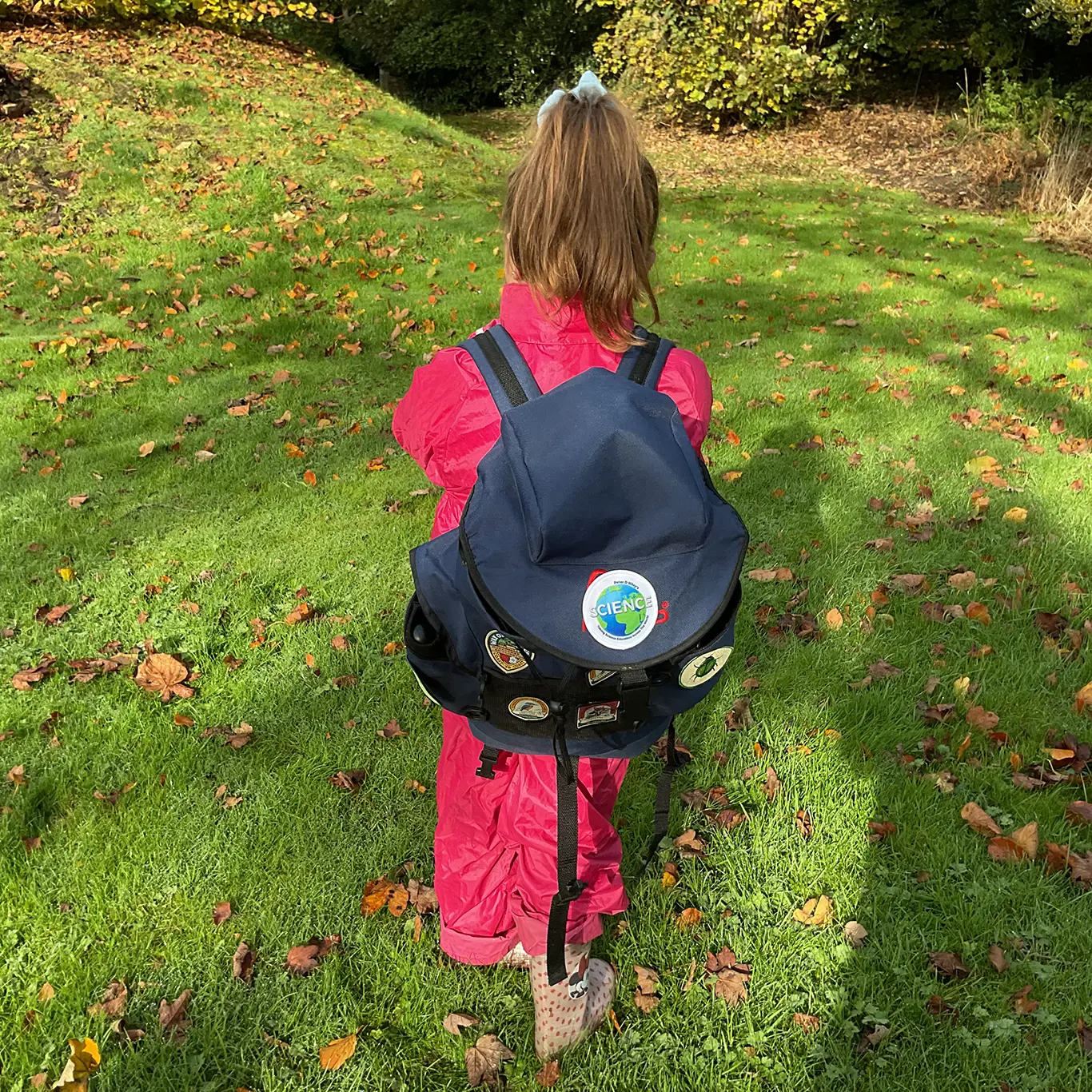
Although there were few insects flying about on this crisp autumn day, my great-grandchildren insisted on a mini beast hunt,
Autumn offers some truly spectacular views on the patch at this time of year, with vibrant colours painting the
A major feature of every science course is progression. This allows students to build up their scientific literacy to

From Falling Leaves to a Fungal Foray The vibrant colours and intricate shapes of fallen leaves certainly keep children's

A major feature of every science course is progression. This allows students to build up their scientific literacy to use
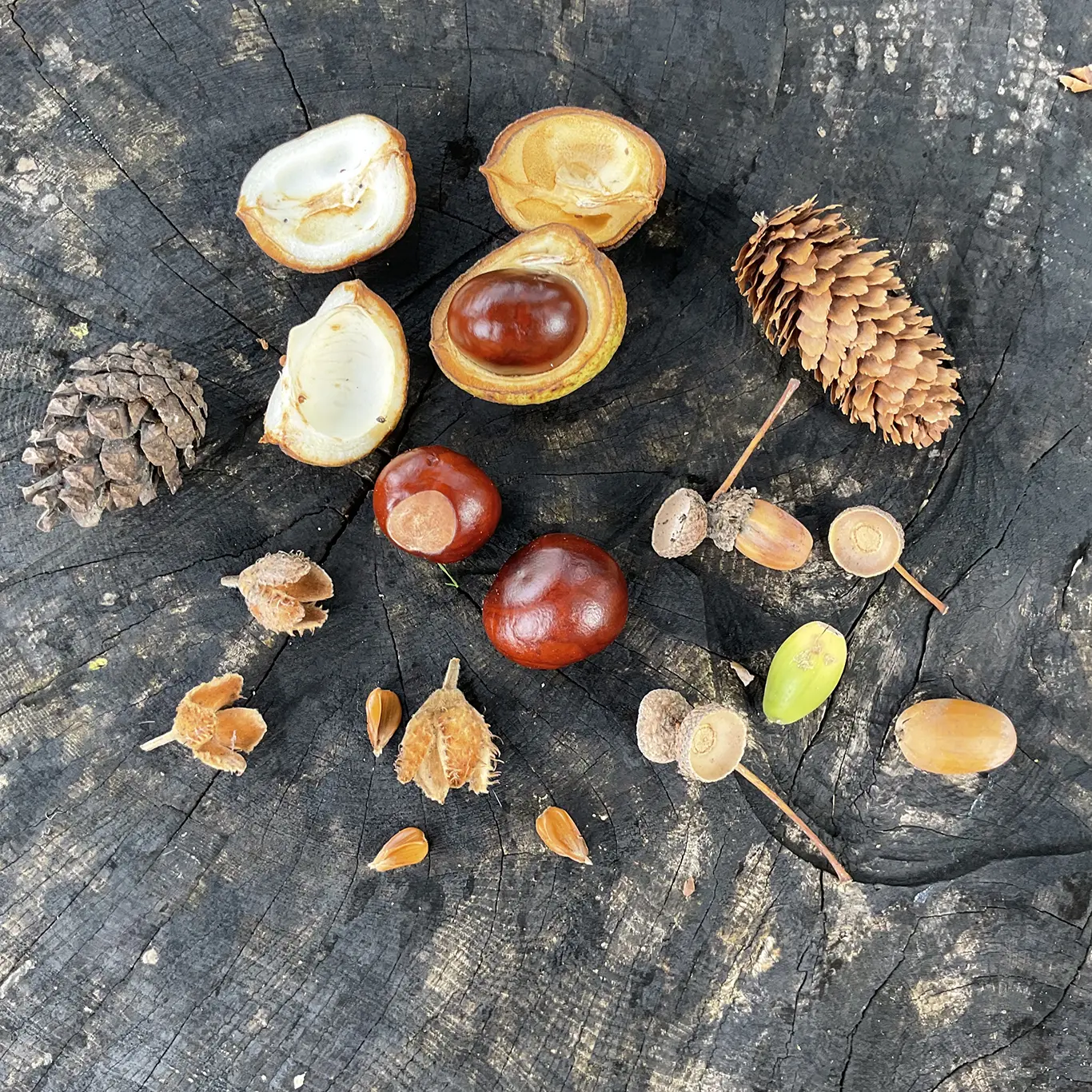
Curious Autumn: From Nature Walk to Nature Table (Part 1) Science doesn't begin in a laboratory - it begins with
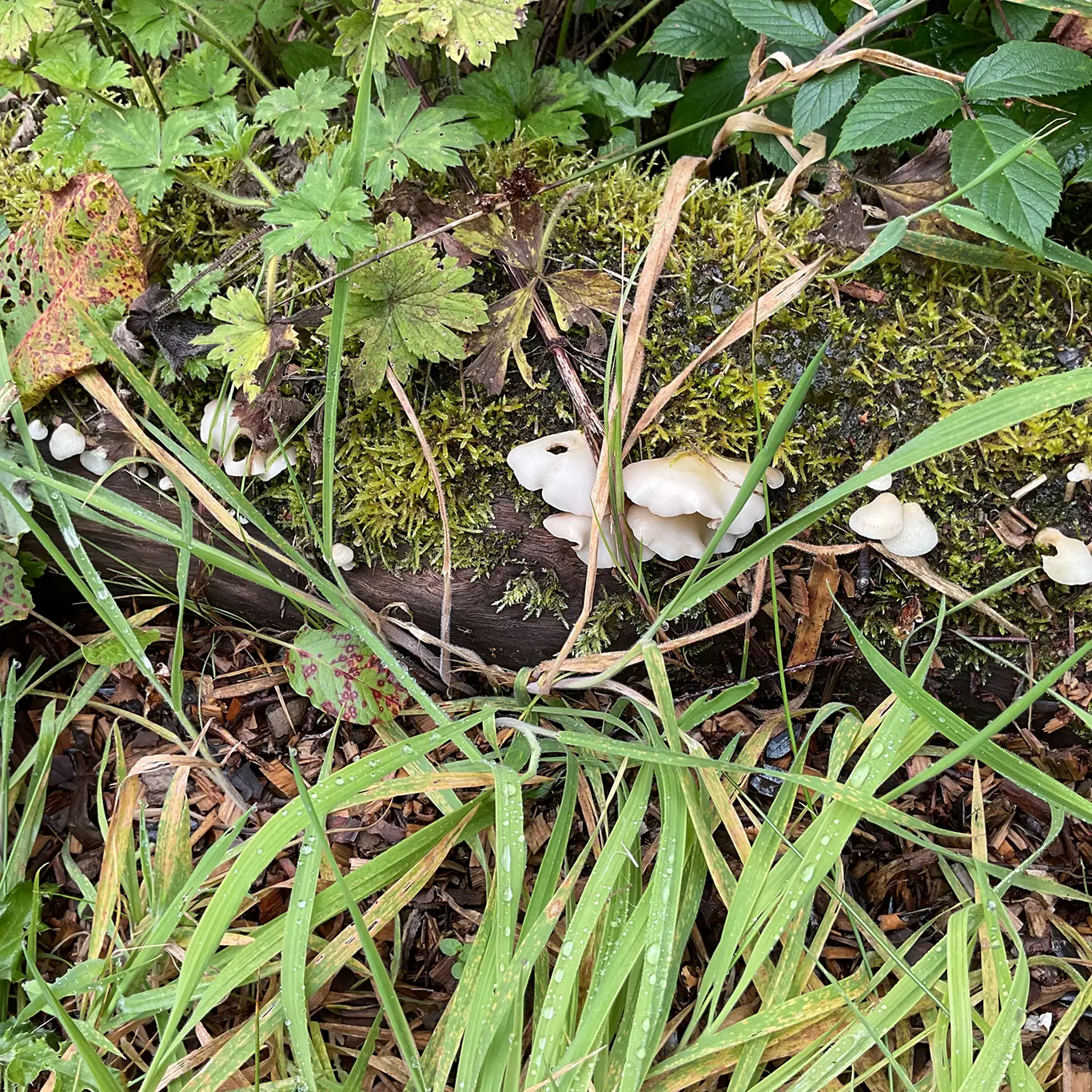
Are you noticing more leaves carpeting your local paths? Here in my woodland classroom, I'm watching nature's annual transformation unfold—fresh
As someone who has been deeply involved in developing science curricula, I'm excited to share insights into how Cambridge
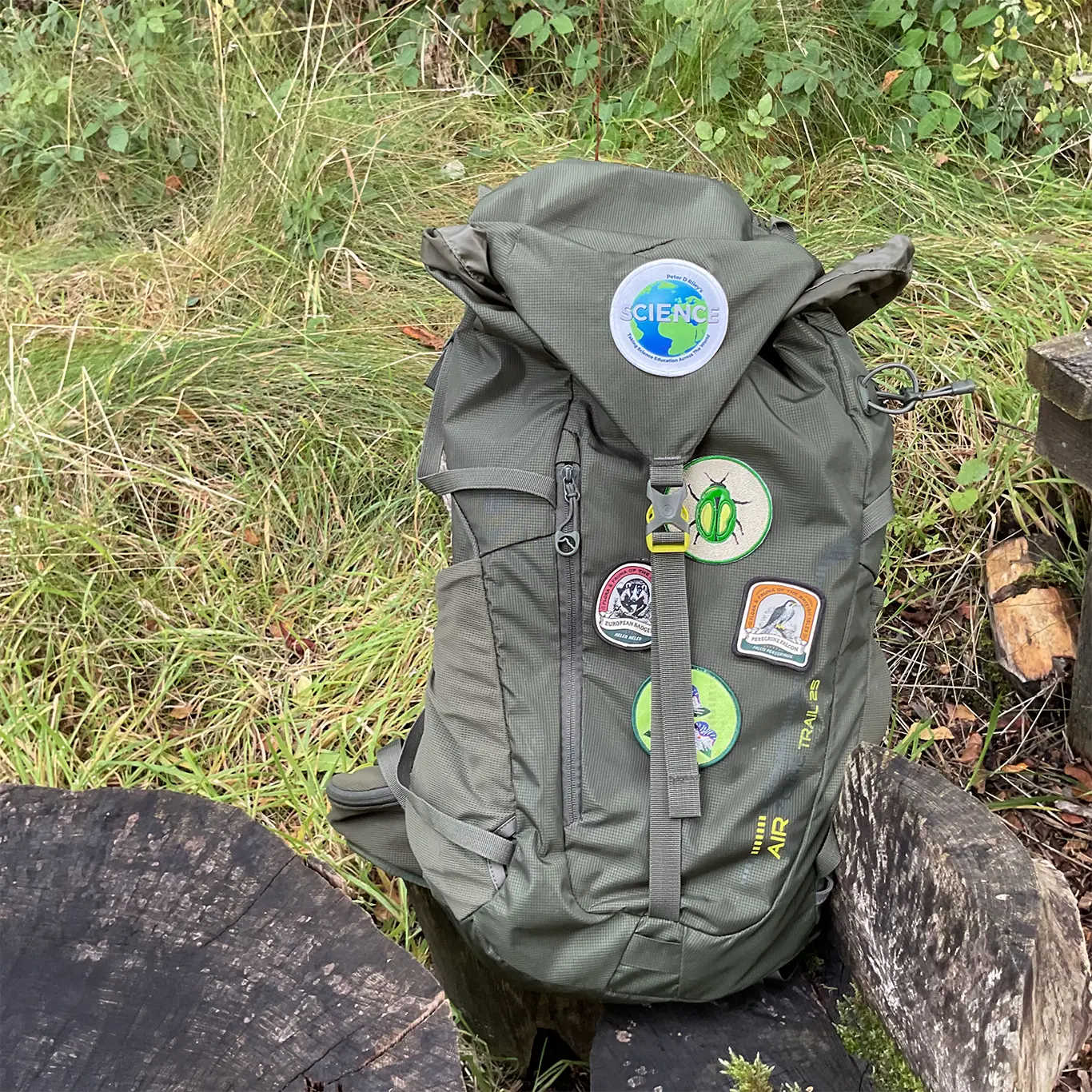
As an experienced educator who has spent decades helping children connect with the natural world, I've discovered that some of

Back to Science in School As a science educator with years of classroom experience, I understand the unique challenges teachers

As an educator with decades of experience in science education, I've witnessed firsthand how disconnected many children have become from
Introducing the Outdoor Scientist's Backpack The Outdoor Scientist's Backpack is a portable science lab for investigating a Patch
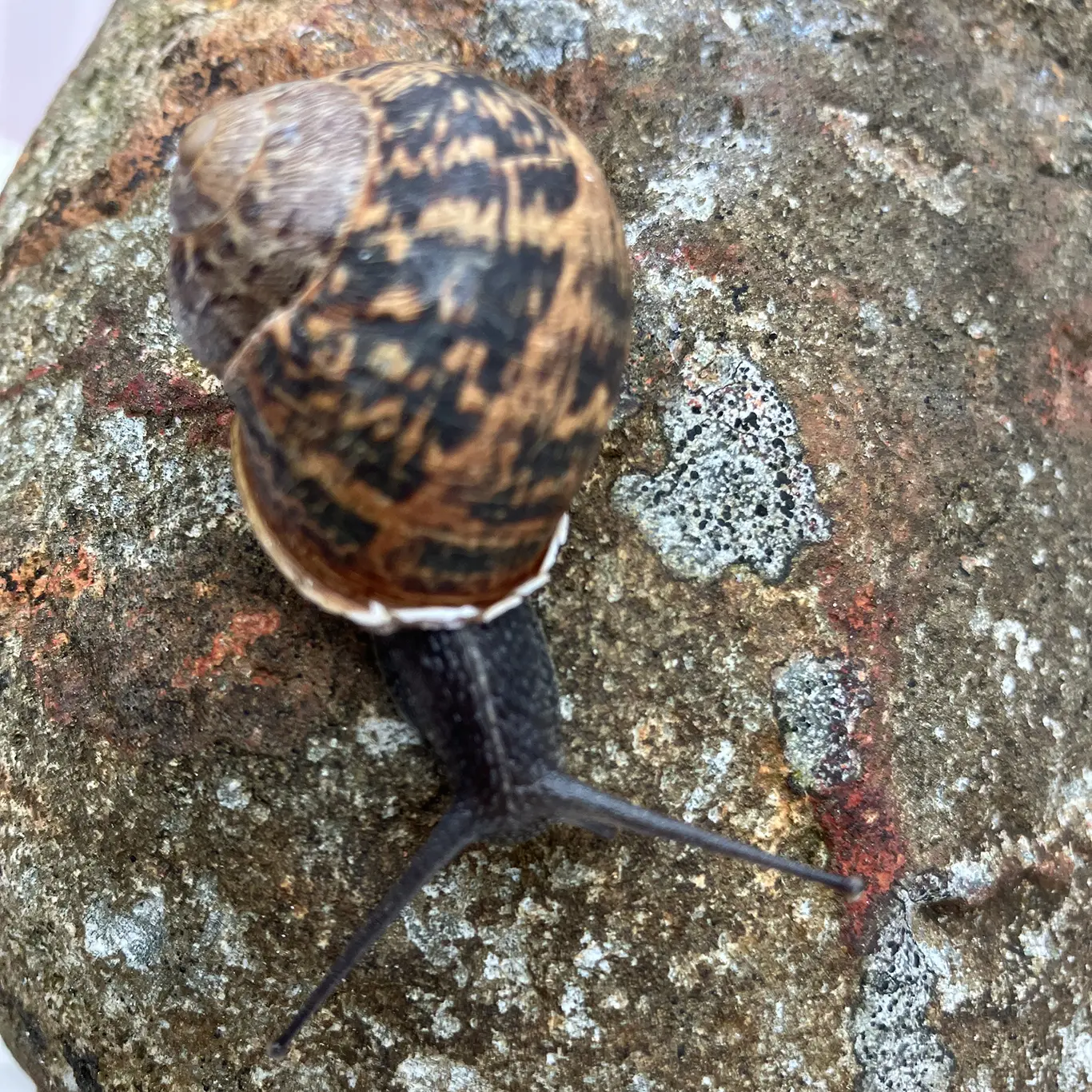
As an experienced nature educator and children's author, I've learned that the best outdoor learning happens when we follow
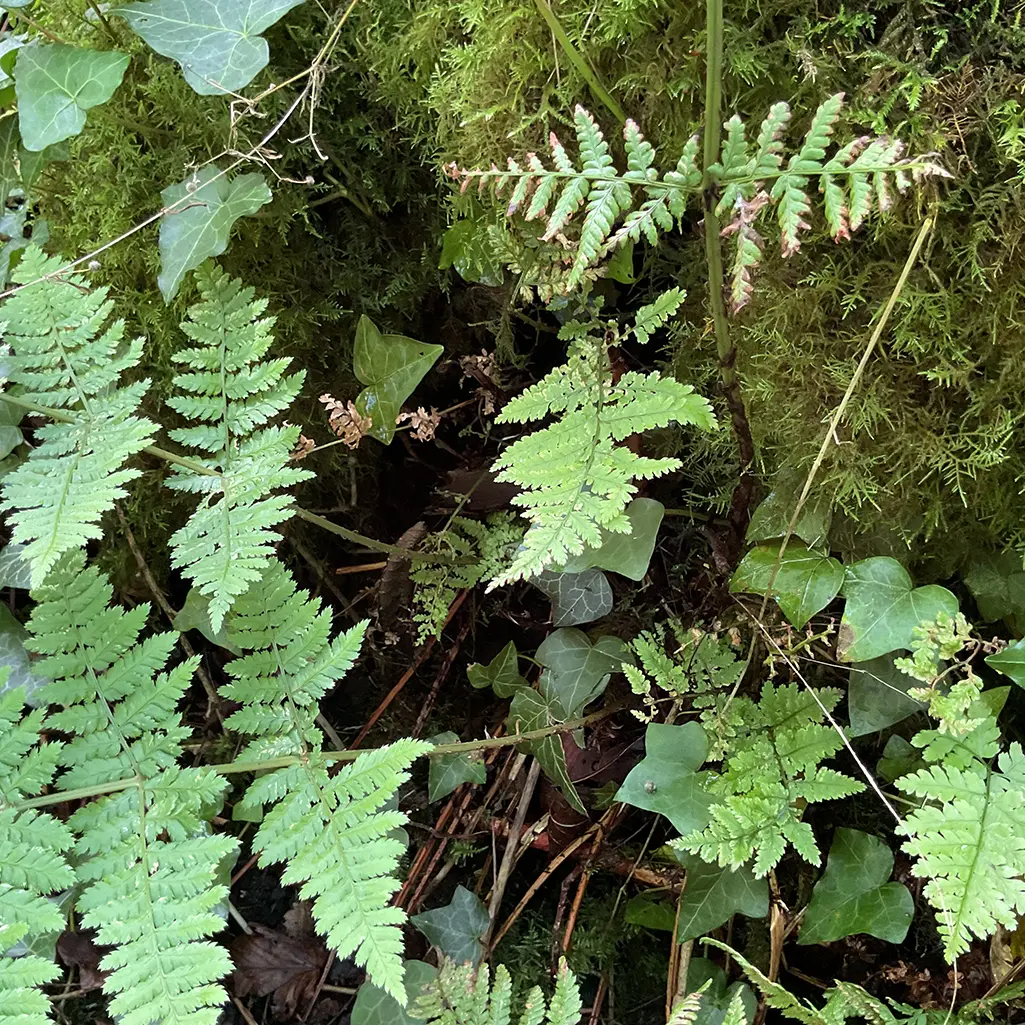
As an experienced educator and author of science books for children, I've spent years helping young learners develop their
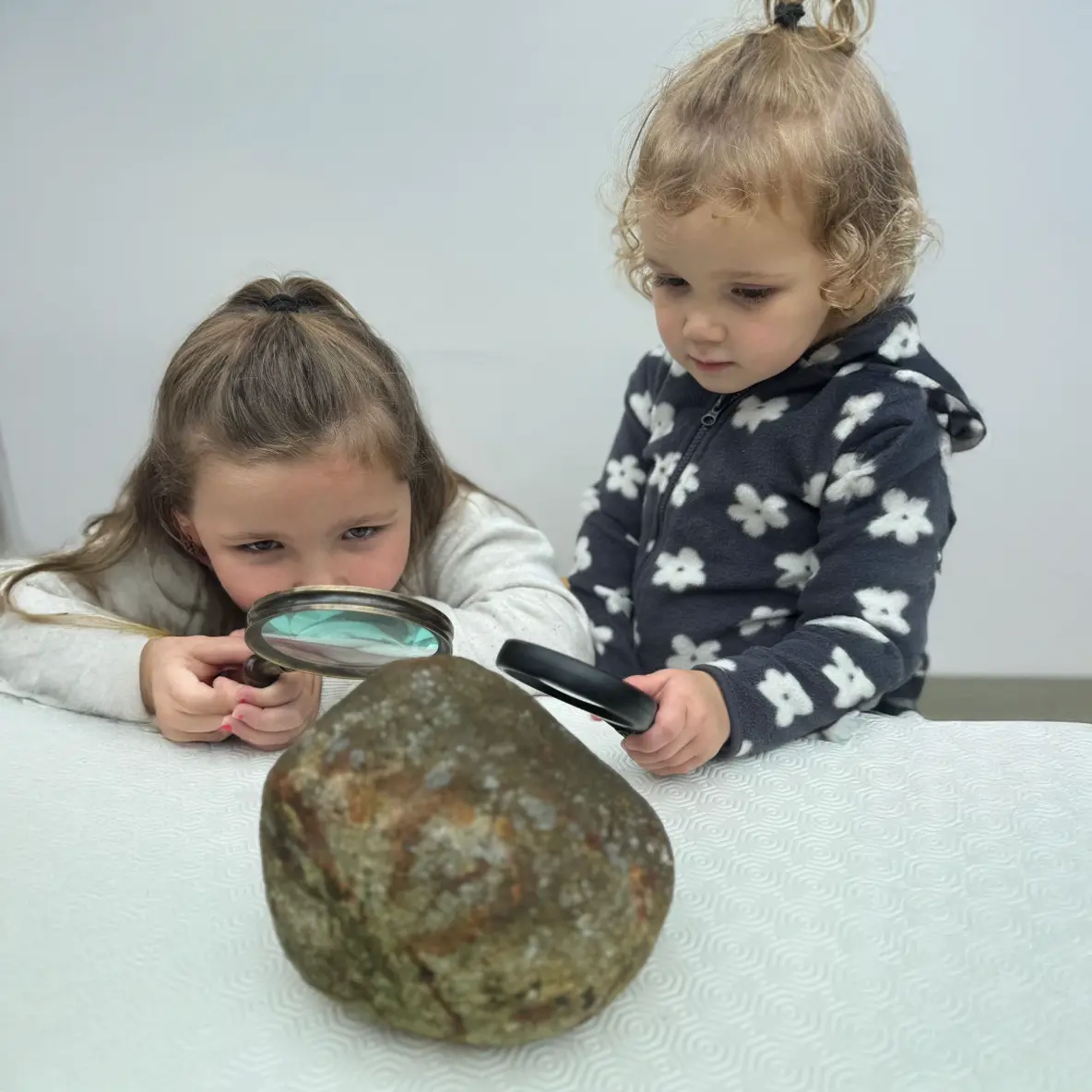
Real Rockhounds in Action My young friends Brea and her sister Hattie are perfect examples of children becoming rockhounds. Recently,
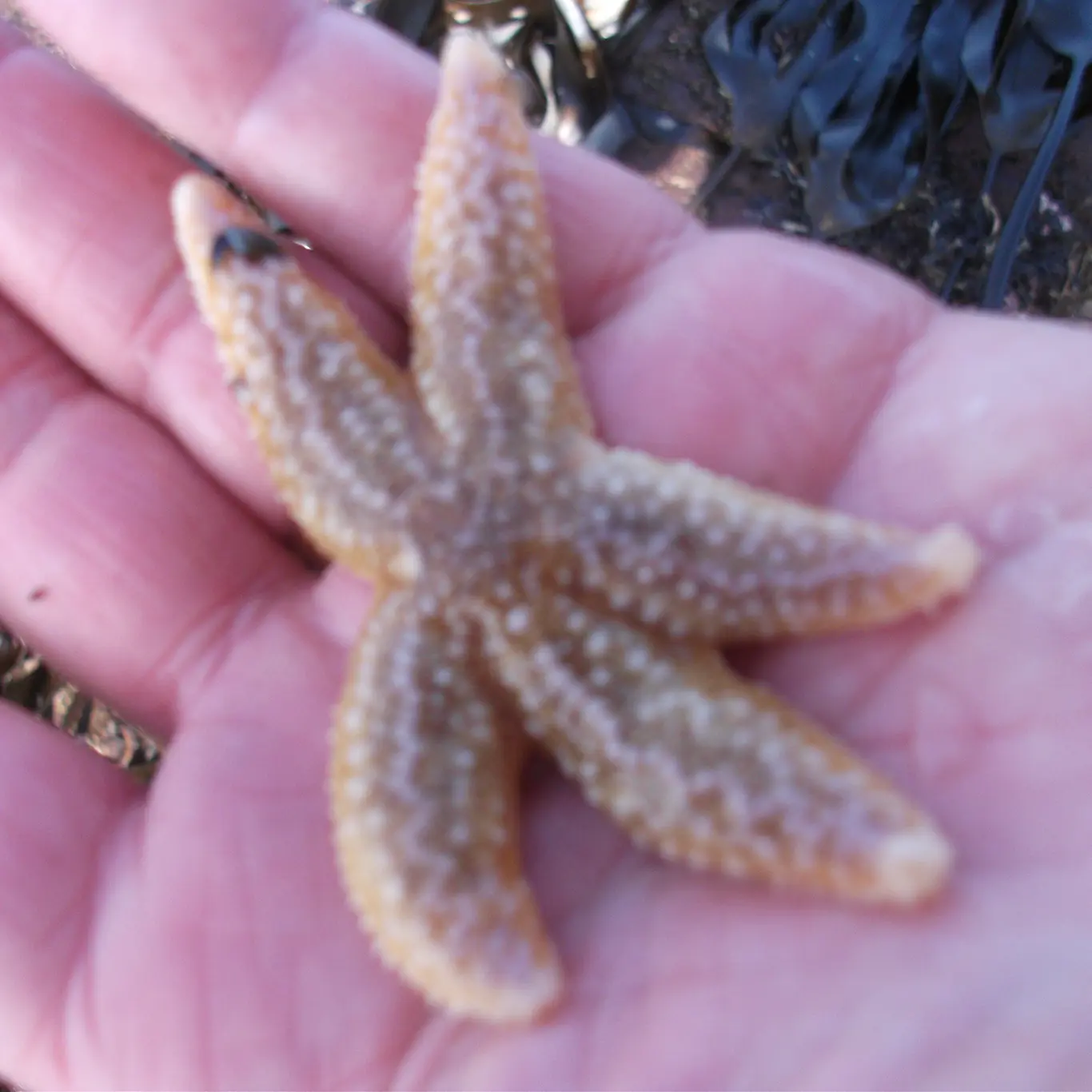
Over Seventy Years of Rock Pooling: A Naturalist's Journey from Child to Educator When you're planning your next coastal visit,
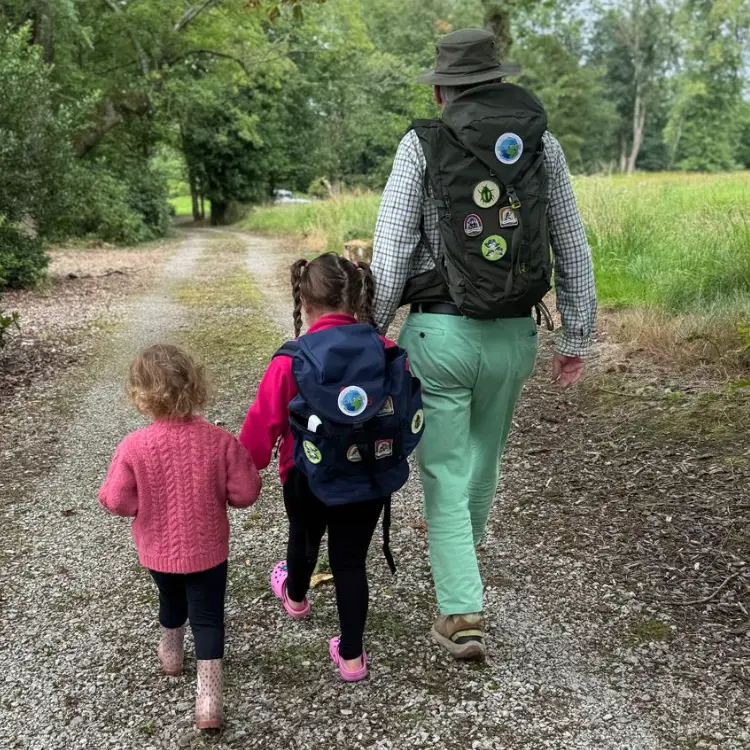
When school is out for summer, there is still plenty of time for science with the family. Check

A couple of weeks ago someone sent me a picture of a bee on a flower collecting pollen. You

Changing to Checkpoint? A worldwide lower secondary science course When you are changing science textbooks for your school,

A few years ago I produced a number of blogs addressing this idea and illustrated it by visiting a range

A couple of months ago, I visited my great-granddaughter's forest school, and we explored their wildlife patch for minibeasts.
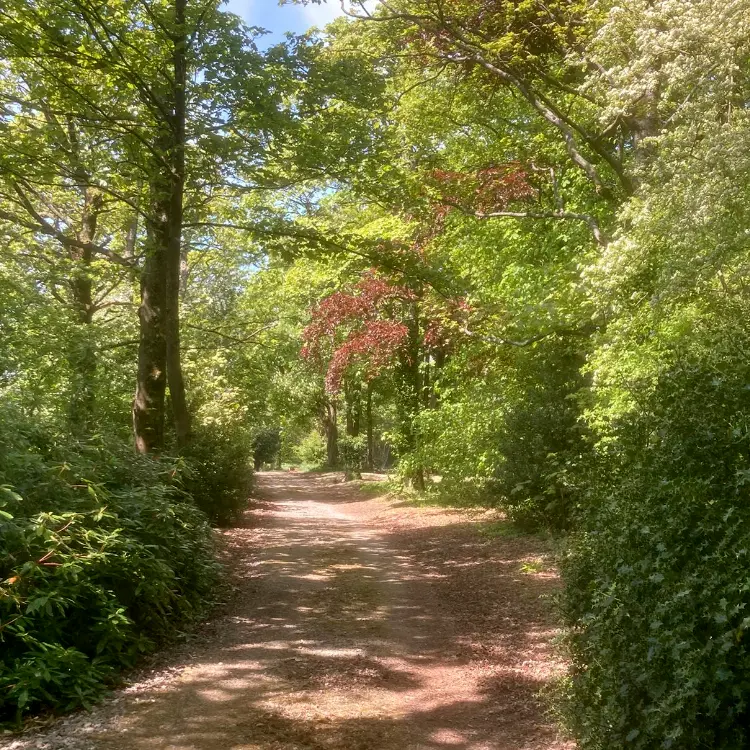
The Patch on the Planet is an item in the Archives and features videos of my patch, each with a

Back in Science Week, I set the school a challenge to use the Science Star in their science lessons. I

Teacher's Guides Endorsed by Cambridge Assessment International Education - for Teacher Support Having been a Head of Science in
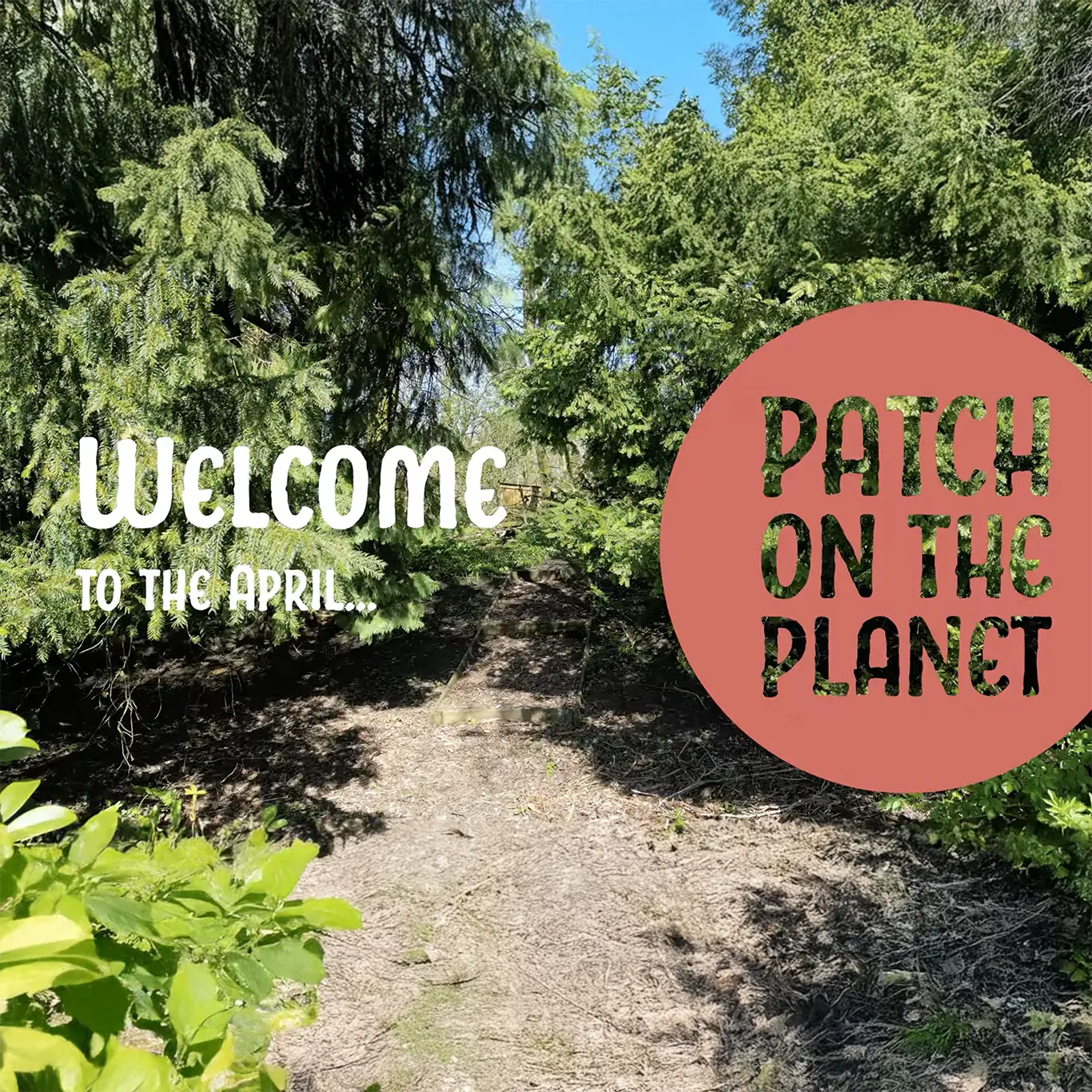
Over the year, a number of visits are planned to see how the patch changes through the seasons. In

In my last blog, I introduced the idea of a nature walk as a way of engaging with the

Recently, I had the pleasure of taking a home-schooled child and his family on a nature walk, part of

The overarching theme for Science Week this year at Settle Primary School is "thinking like a scientist" and applying the
The science lab is a fascinating place for students starting high school, and science books should build on this excitement
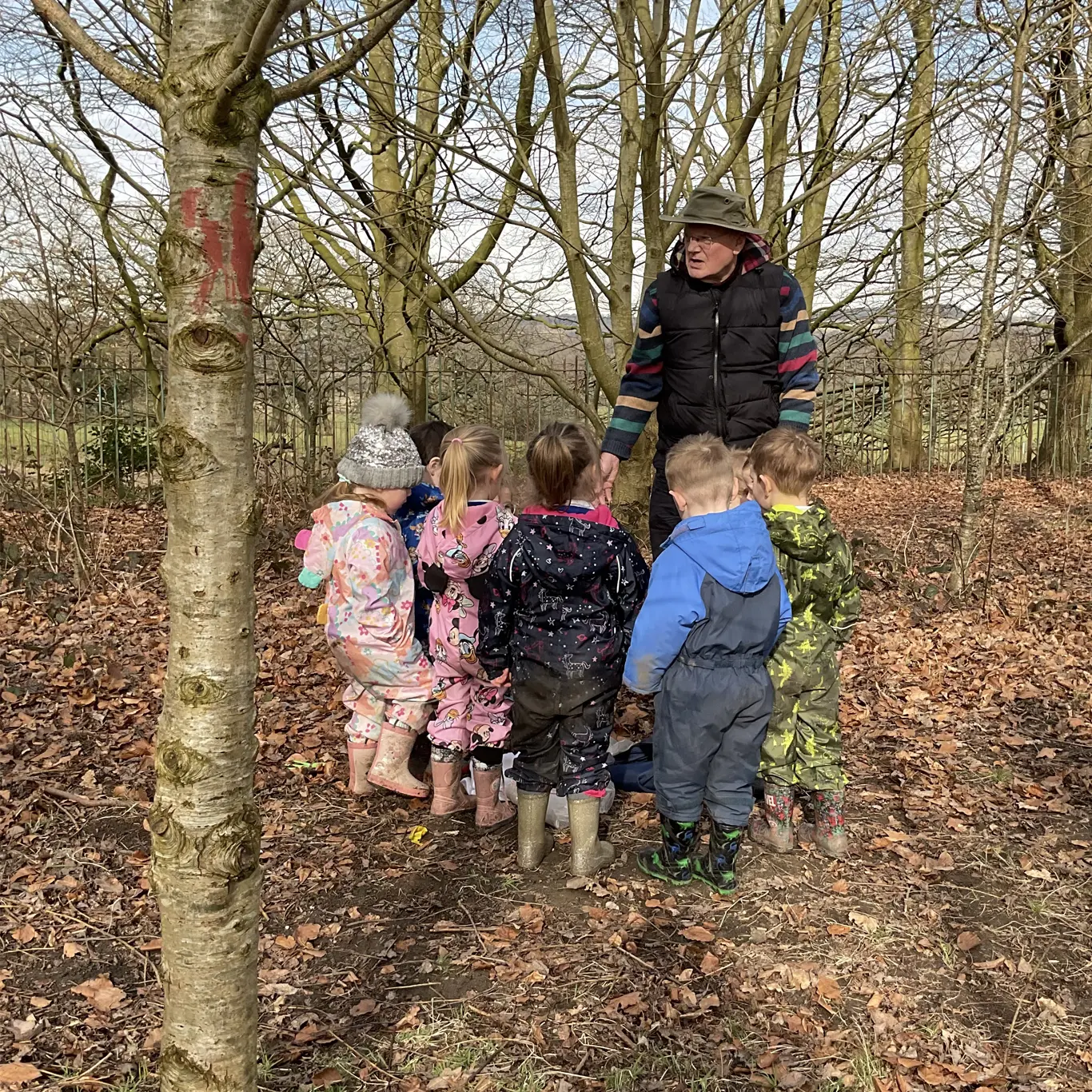
I was invited into my great-granddaughters’ nursery class at a forest school. The topic was mini beasts, with a passing
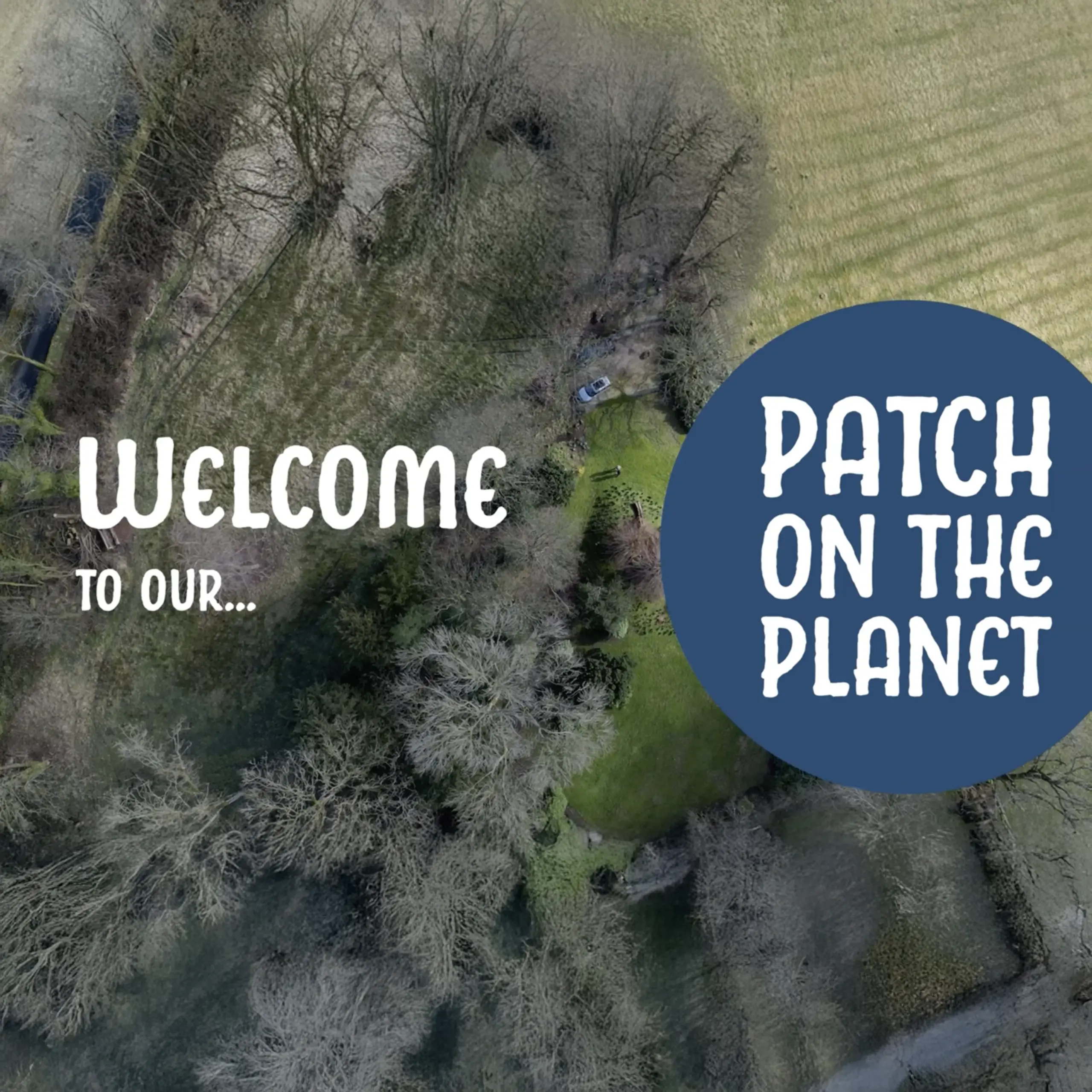
Welcome to The Patch on the Planet, a community project designed to celebrate and document Earth’s incredible biodiversity, one
BlogPeter D Riley2026-04-19T08:47:05+01:00


