
As an experienced nature educator and children’s author, I’ve learned that the best outdoor learning happens when we follow our curiosity. This recent discovery with my young explorer perfectly demonstrates how simple investigations can unlock fascinating wildlife lessons.
The Magic of Unscripted Discovery
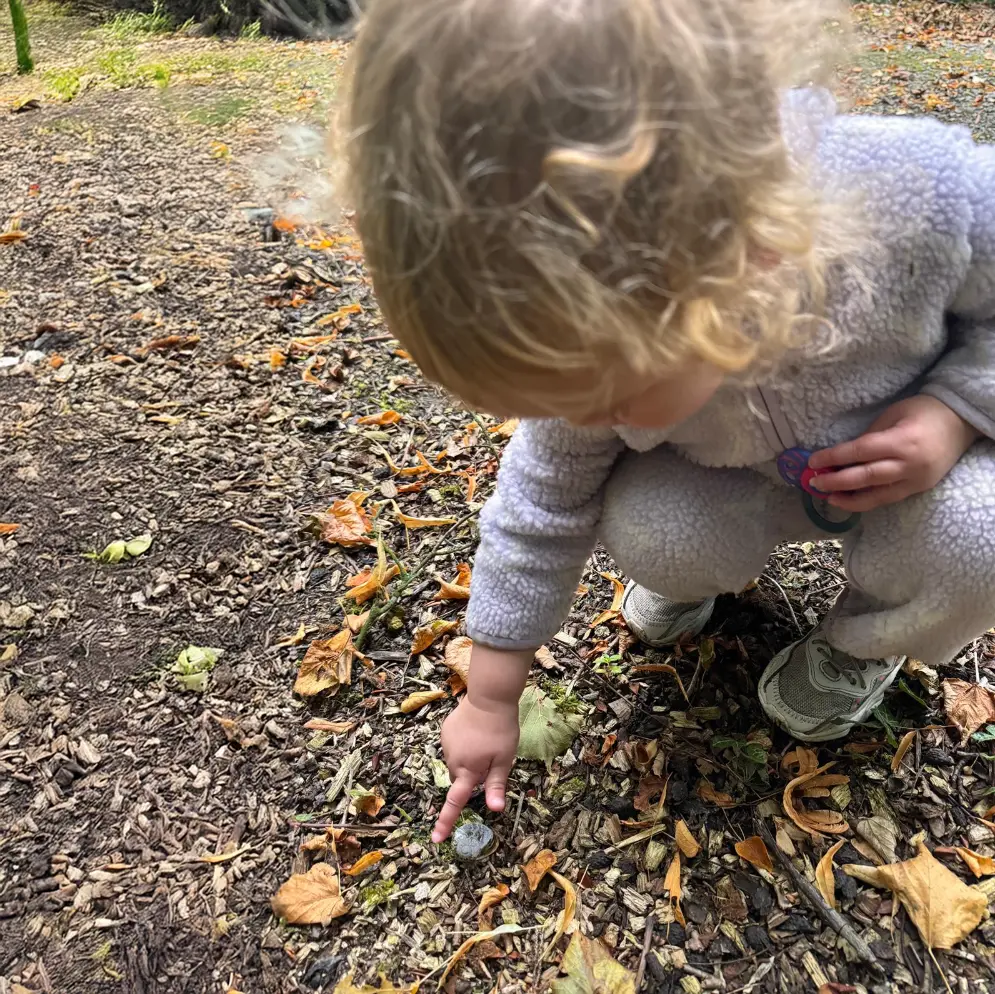
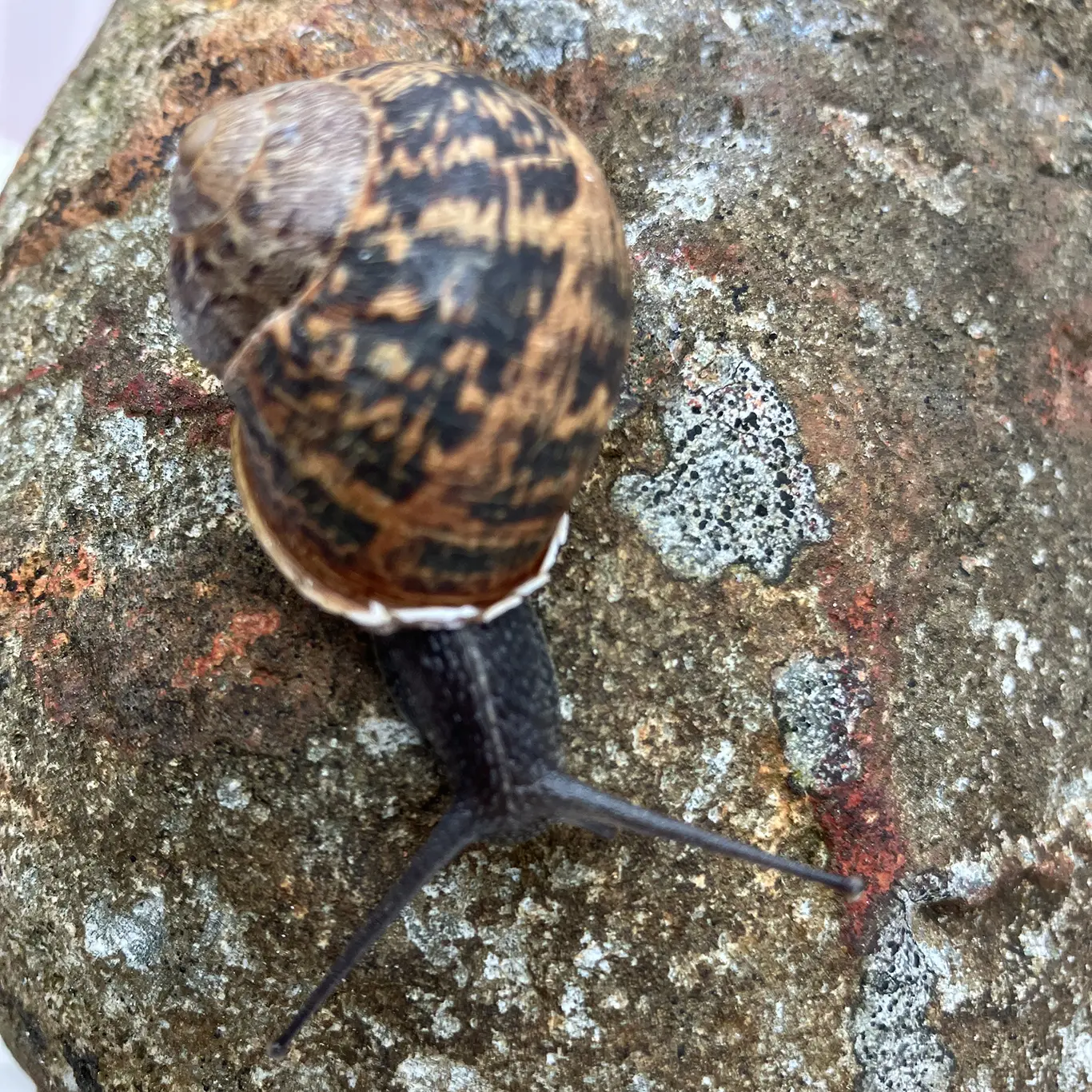
When eight-year-old Brea was investigating pebbles during our nature walk, neither of us expected what would unfold. As she carefully examined each rock, one suddenly moved! Her delighted gasp revealed our “pebble” was actually a perfectly camouflaged snail.
This moment became an impromptu lesson on animal adaptation. I explained how creatures use camouflage as nature’s hide-and-seek strategy, helping them avoid predators by blending seamlessly with their surroundings. For young learners, this concept becomes tangible when they witness it firsthand rather than just reading about it in textbooks.
From One Discovery to Another: The Thrush’s Anvil
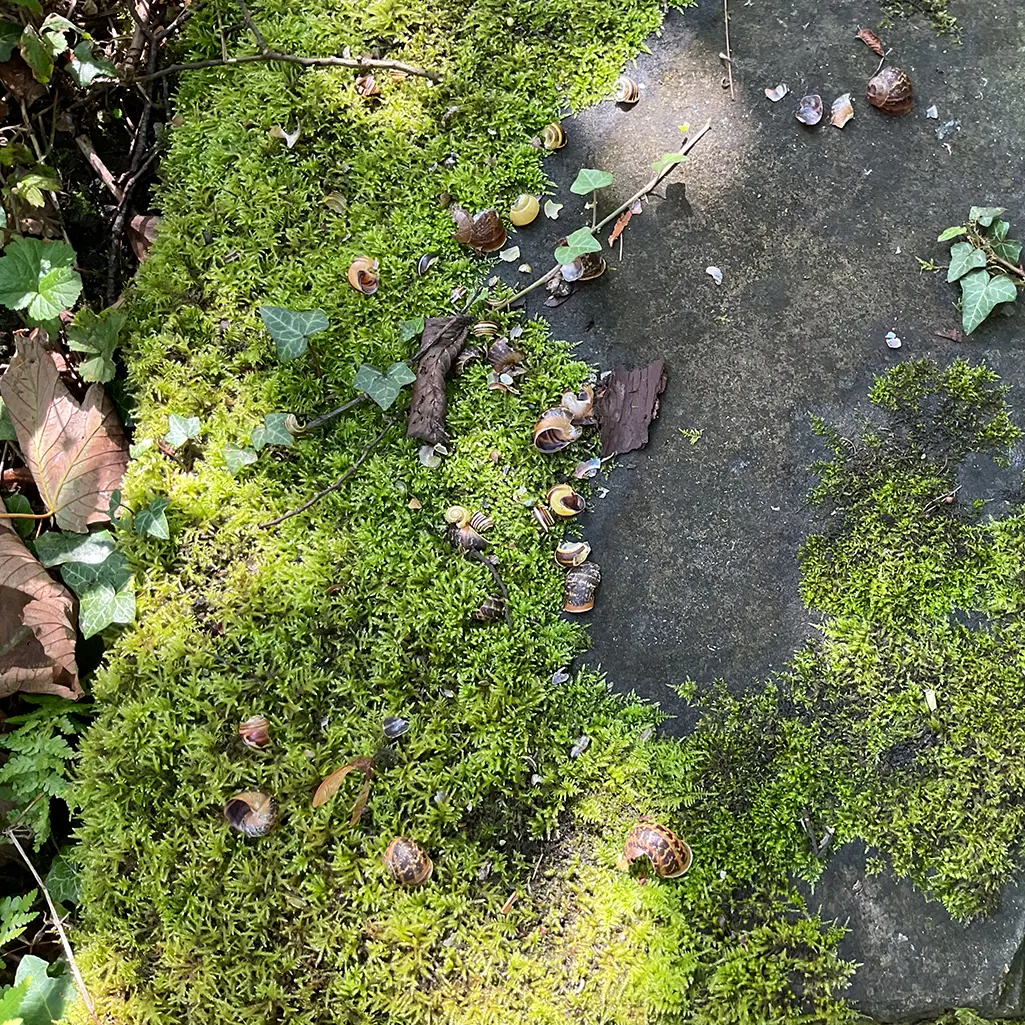
Later that day, while exploring our “Patch on the Planet” (my term for our regular nature investigation area), I stumbled upon something remarkable—a flat rock covered with empty snail shells. At first glance, it resembled a snail graveyard, but my years of nature study revealed the true story.
This was a song thrush’s anvil—a favorite rock where this clever bird brings snails to crack them open. The thrush grips each snail firmly, then strikes it repeatedly against the hard surface until the shell shatters, revealing the nutritious meal inside.
Counting the shells, I estimated this industrious thrush had processed at least fourteen snails at this location, with likely more to come.
Building Educational Moments Layer by Layer
Here’s where outdoor education gets interesting for parents and teachers: I haven’t shared the thrush anvil discovery with Brea yet. While it might complicate our camouflage lesson (showing that even perfect camouflage doesn’t always work), it’s perfect for her older sister Hattie, who’s studying habitats at school.
This discovery will help Hattie visualize food chains in action:
Plants → Snails → Song Thrush
Extending the Learning: Predator and Prey Relationships
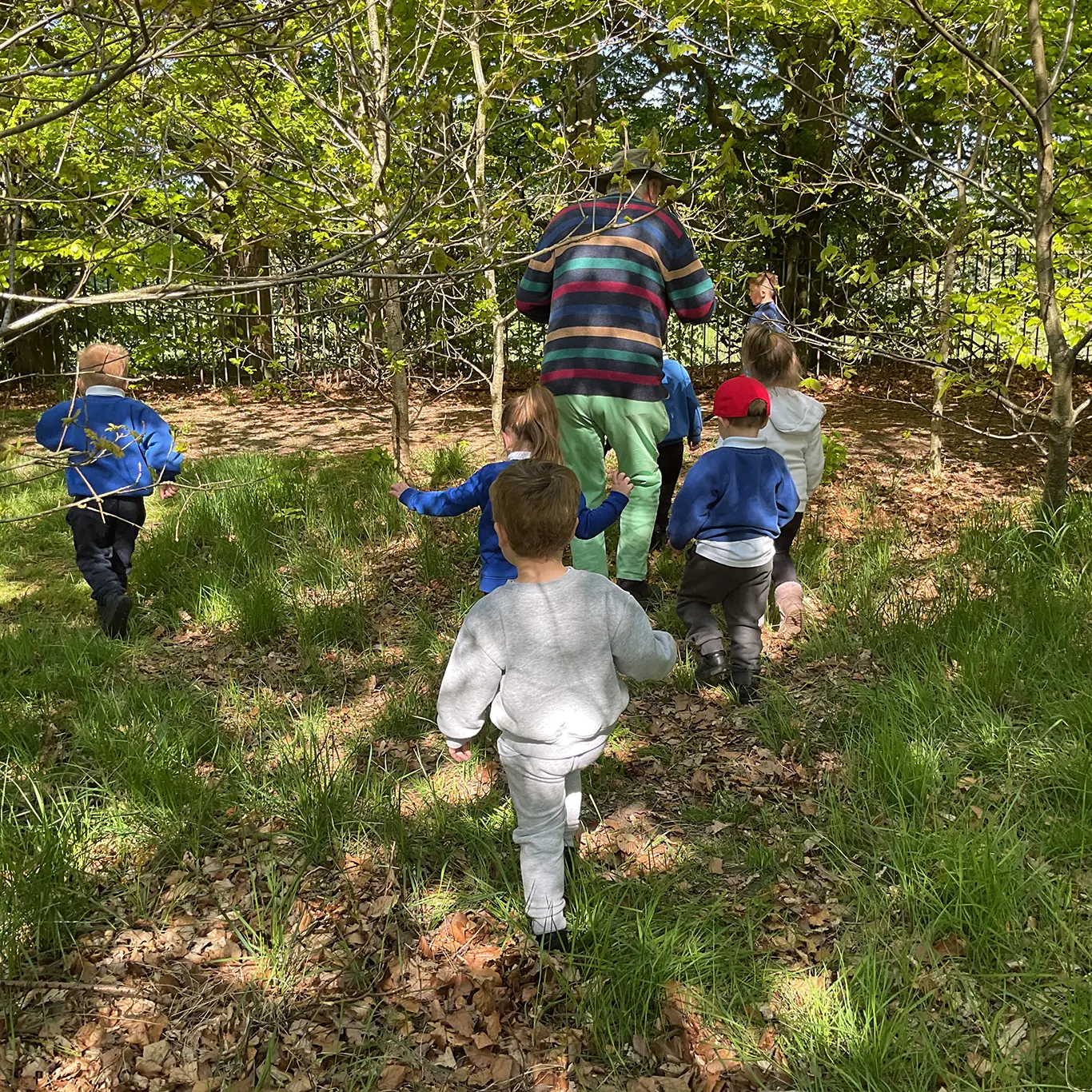
The very next day, a sparrowhawk swept through our patch, hunting for birds exactly like our shell-cracking thrush. Though I found no evidence of a successful hunt, this sighting could potentially add another link to our food chain, demonstrating how interconnected natural systems truly are.
Why These Discoveries Matter for Child Development
Research consistently shows that regular nature exposure combats what Richard Louv termed “nature-deficit disorder”—the growing disconnect between children and the natural world. When children like Brea make their own discoveries, several important things happen:
- Critical thinking develops as they observe, question, and form hypotheses
- Scientific vocabulary expands through real-world context
- Environmental awareness grows through direct experience
- Curiosity gets rewarded, encouraging further exploration
Practical Tips for Parents and Teachers
For Parents: You don’t need extensive nature knowledge to facilitate these experiences. Simply stepping outside with genuine curiosity and a willingness to investigate alongside your children creates powerful learning opportunities.
For Teachers: These discoveries easily connect to curriculum requirements across multiple subjects—science (habitats, adaptation, food chains), geography (local environments), and even creative writing (nature journaling).
Your Turn: Creating Nature Surprises
Take your children or students outside this week. Look closely at seemingly ordinary things—rocks, leaves, bark, puddles. Nature’s surprises are everywhere, waiting for curious minds to discover them.
Remember, the goal isn’t to have all the answers. It’s to model curiosity, ask questions together, and celebrate the wonder of discovery. These shared moments of investigation build both knowledge and lasting connections between children and the natural world.
Have you discovered any nature surprises with your children recently? I’d love to hear about your outdoor investigations and the unexpected learning moments they’ve created.
