
Gramps is the name I have been given by my great-grandchildren, Hattie and Brea.
It set me apart from their grandads, and when I visited their school it was the name the class gave me too. From this, it was a short step to set up a programme of blogs for them (and older children too), simply called Science with Gramps.
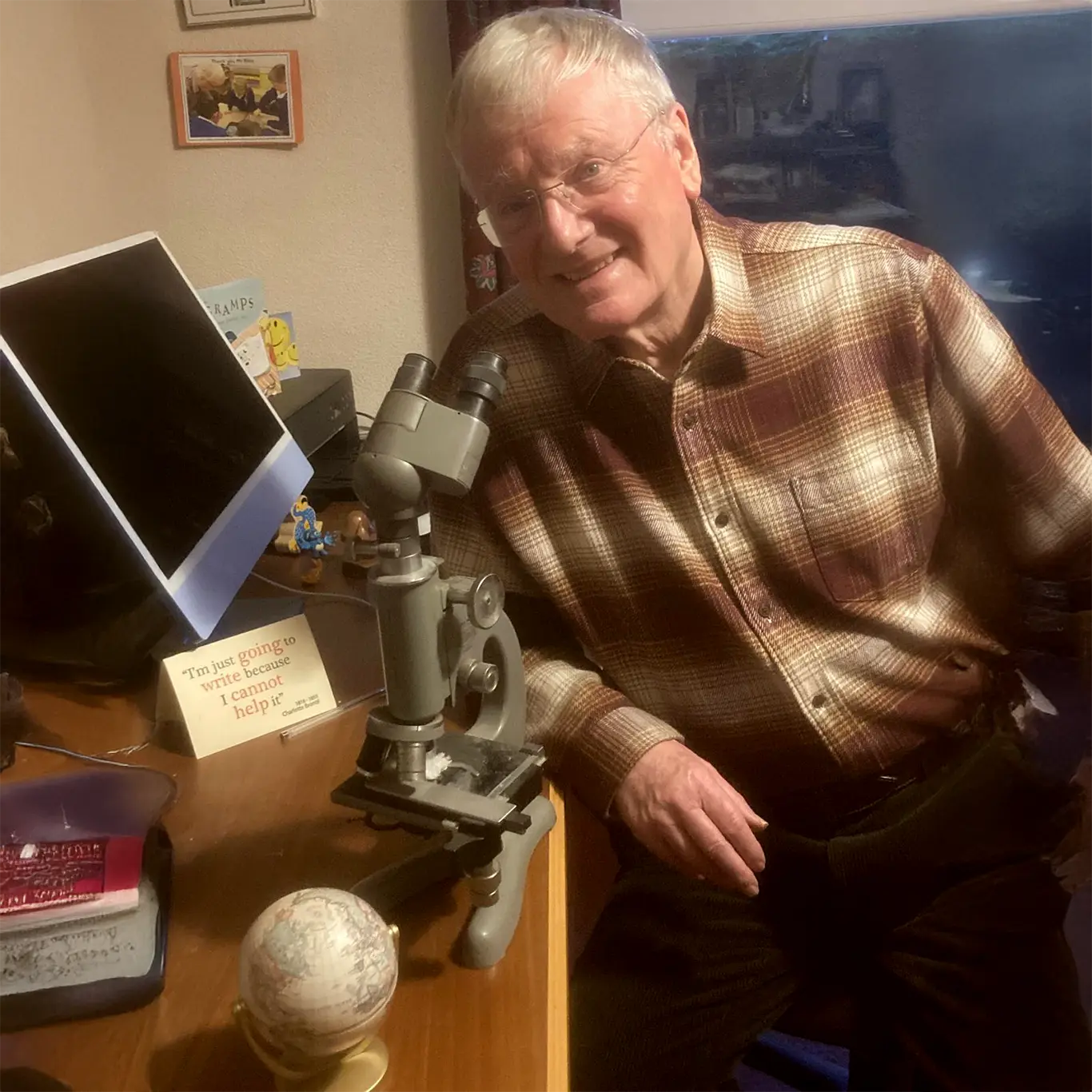
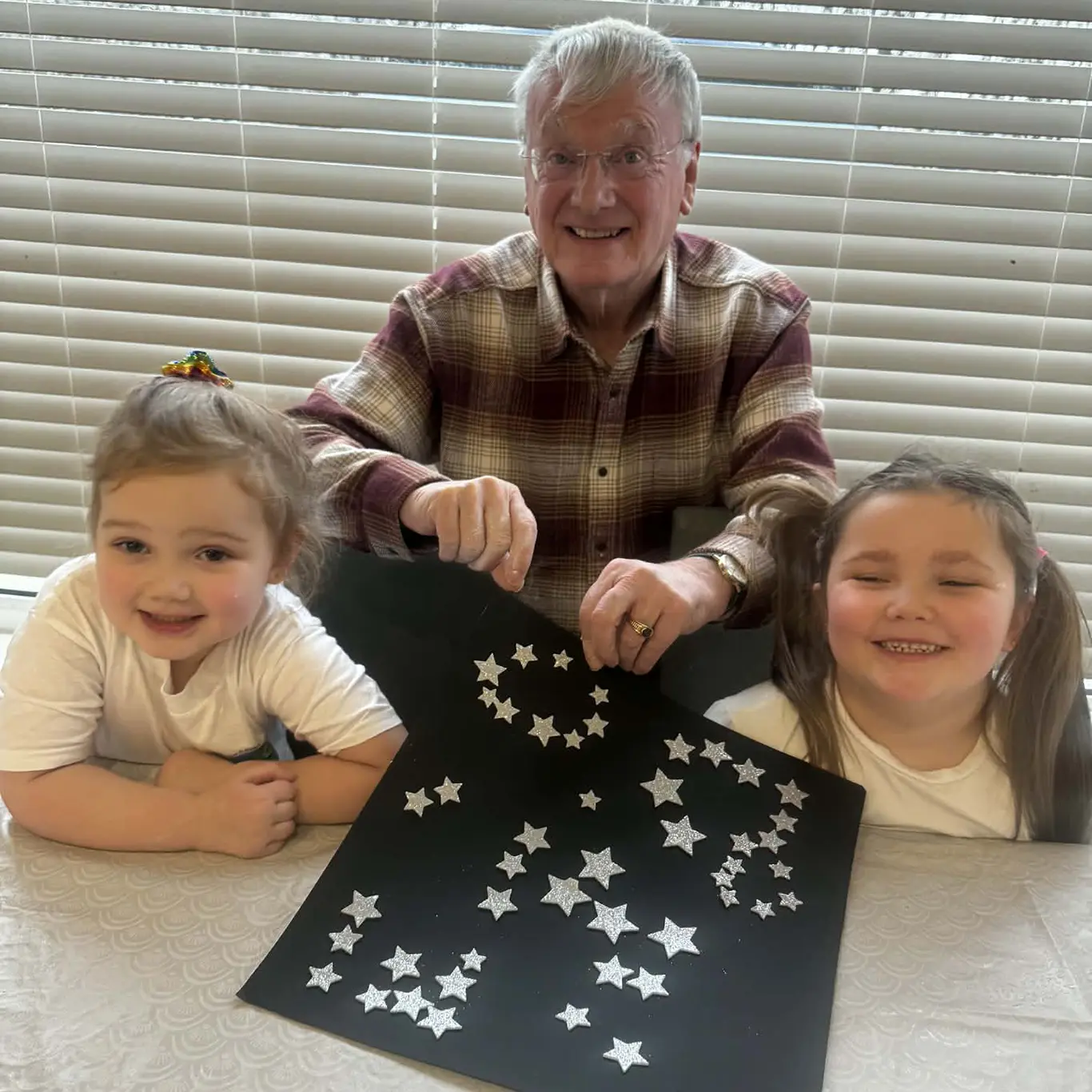
Science is a way of looking at things and finding out about them. As Gramps, I will be looking at the things children see around them and helping them to find out more. Scientists often make models to explain what they see, and I will be doing just that with my blogs.
The aim of Science with Gramps is to use simple, everyday items to show children and students a little of the science they may be studying at school, or wondering about in the world around them.
Once I began planning these blogs, I found that I wanted to extend my first ideas. Some of the items will be beyond my granddaughters at the moment (they will come to them later), but they may provide useful support for older children at primary school and even for students in the early years of secondary school, such as those using my Checkpoint books.
I have been writing blogs for over ten years. Many are now in the archives, and this present-day blog
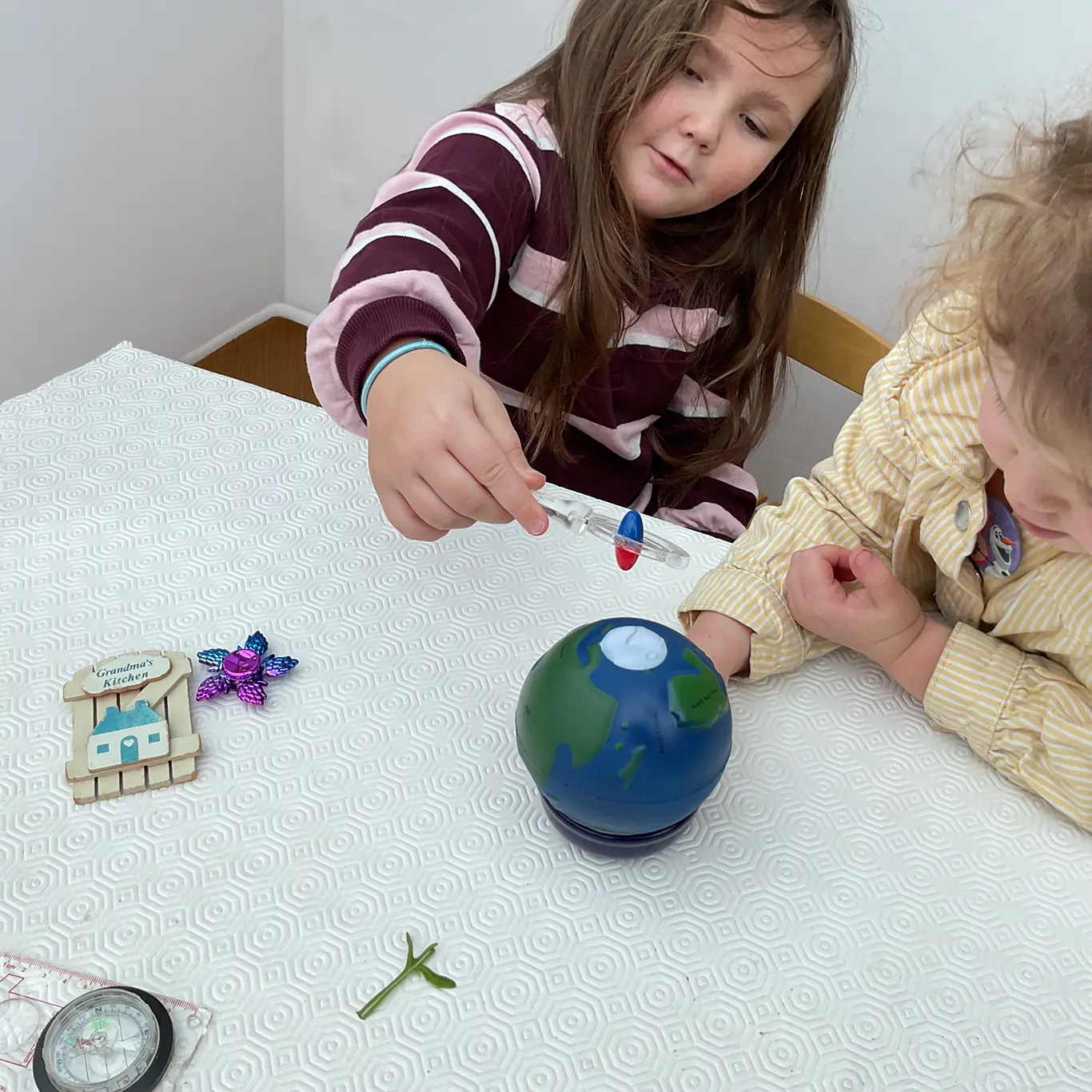
Last year we began exploring habitats with the Outdoor Scientists Backpack. Nothing Found
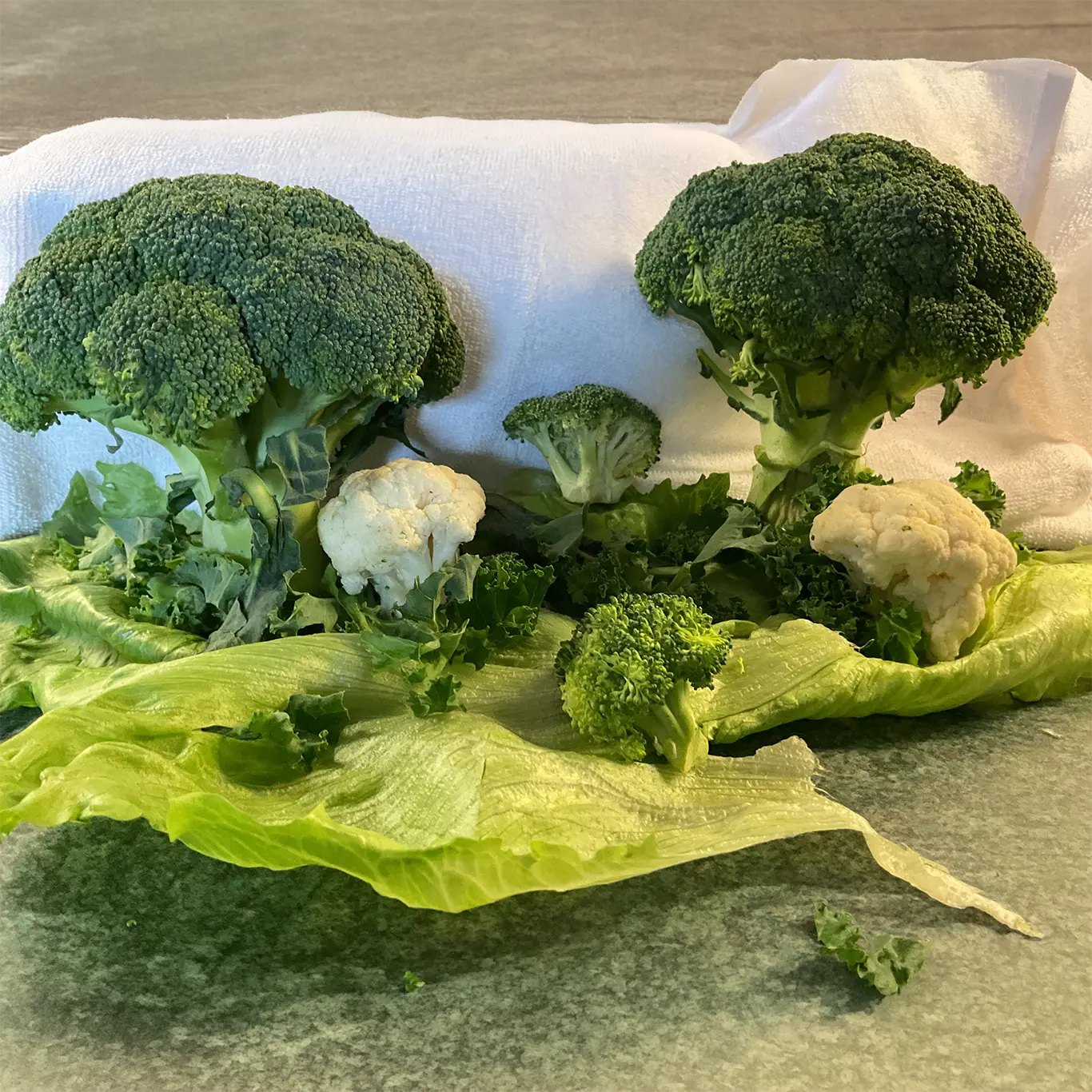
Hattie and Brea built planets and a Solar System model in previous blogs with Gramps. Nothing Found
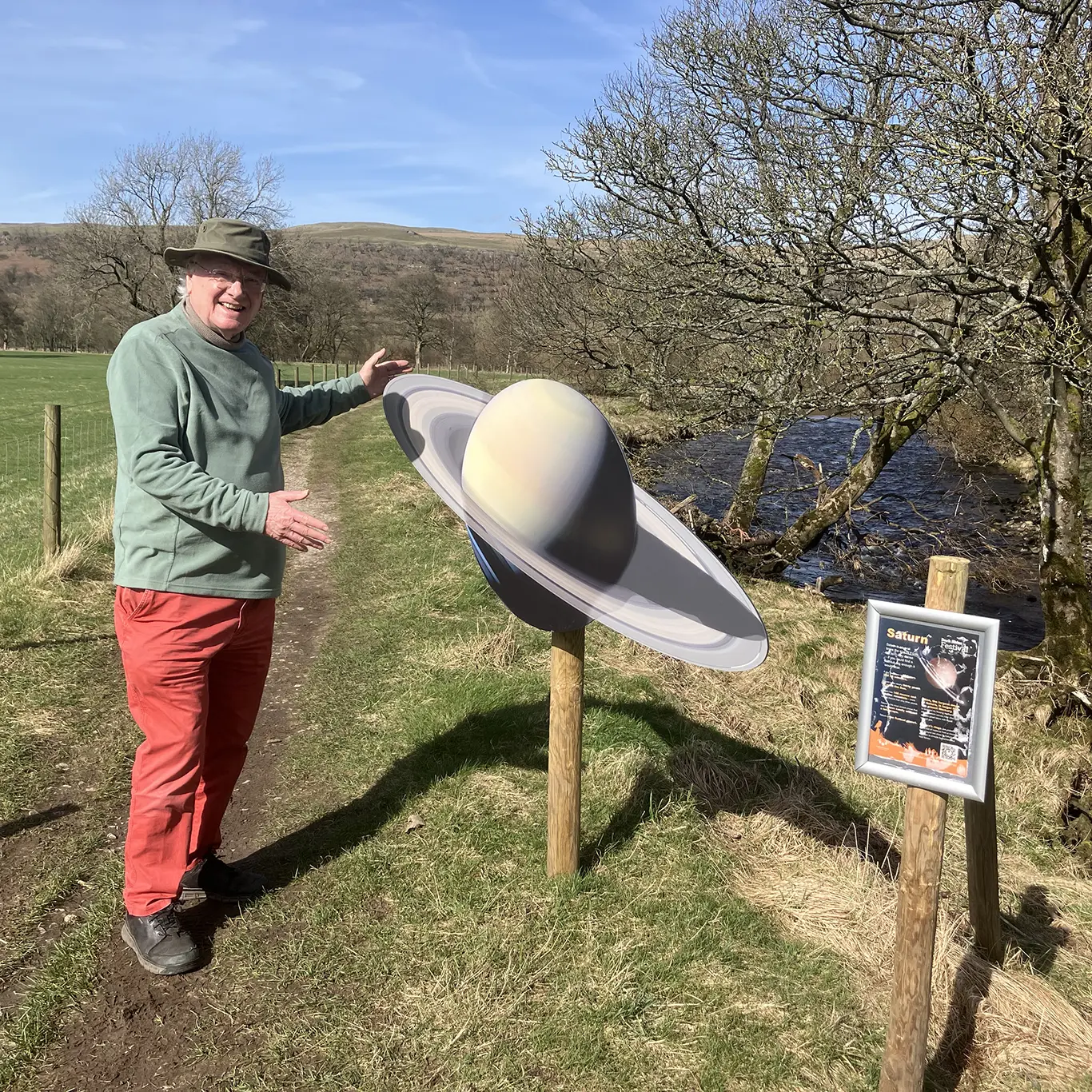
Taking time off from writing, I went on a favourite walk in the Yorkshire Dales and found a huge
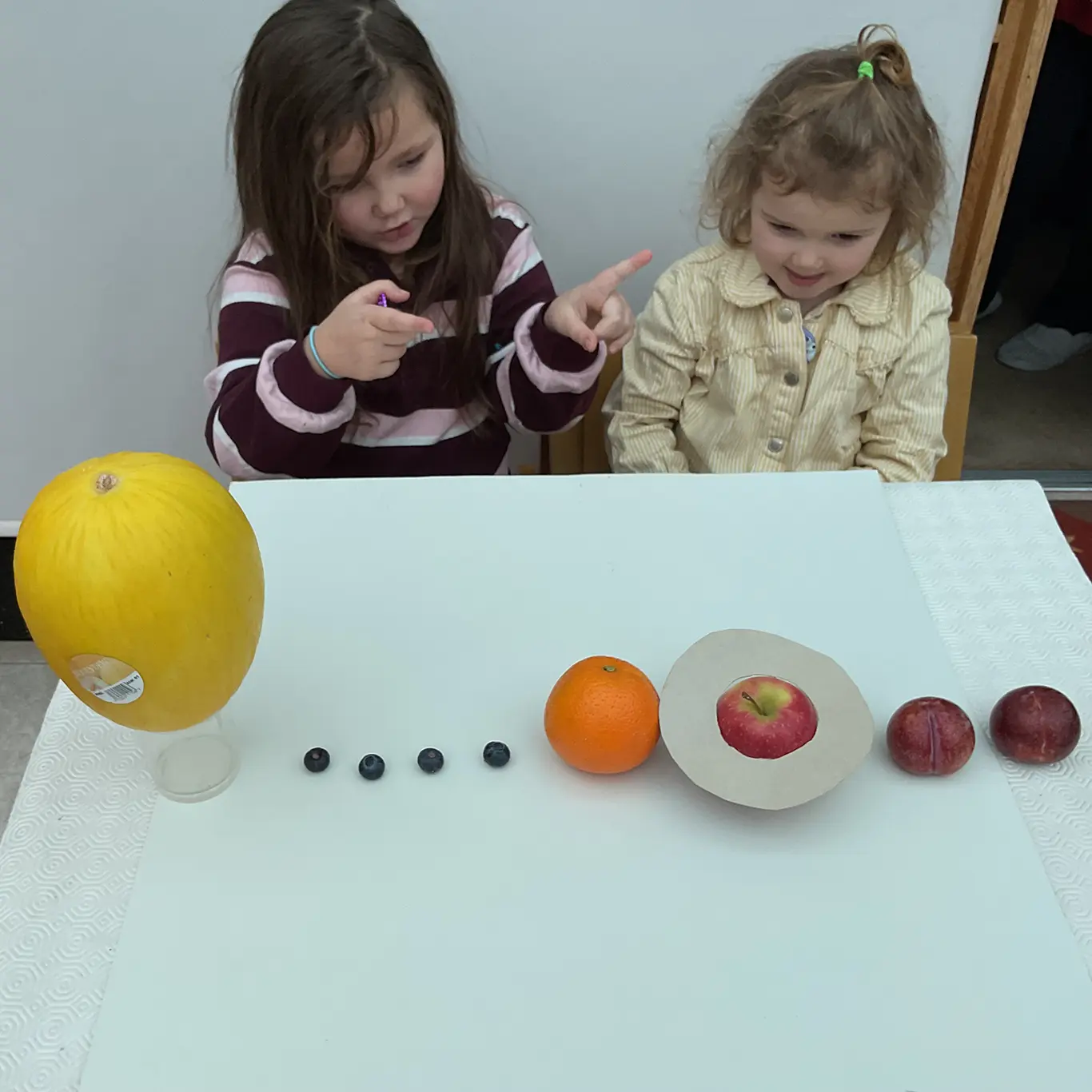
A fruit bowl Solar System Once, on a school visit, I found children in a reception class arguing about
While there are many stars twinkling in the night sky, there may be a couple of lights in the sky
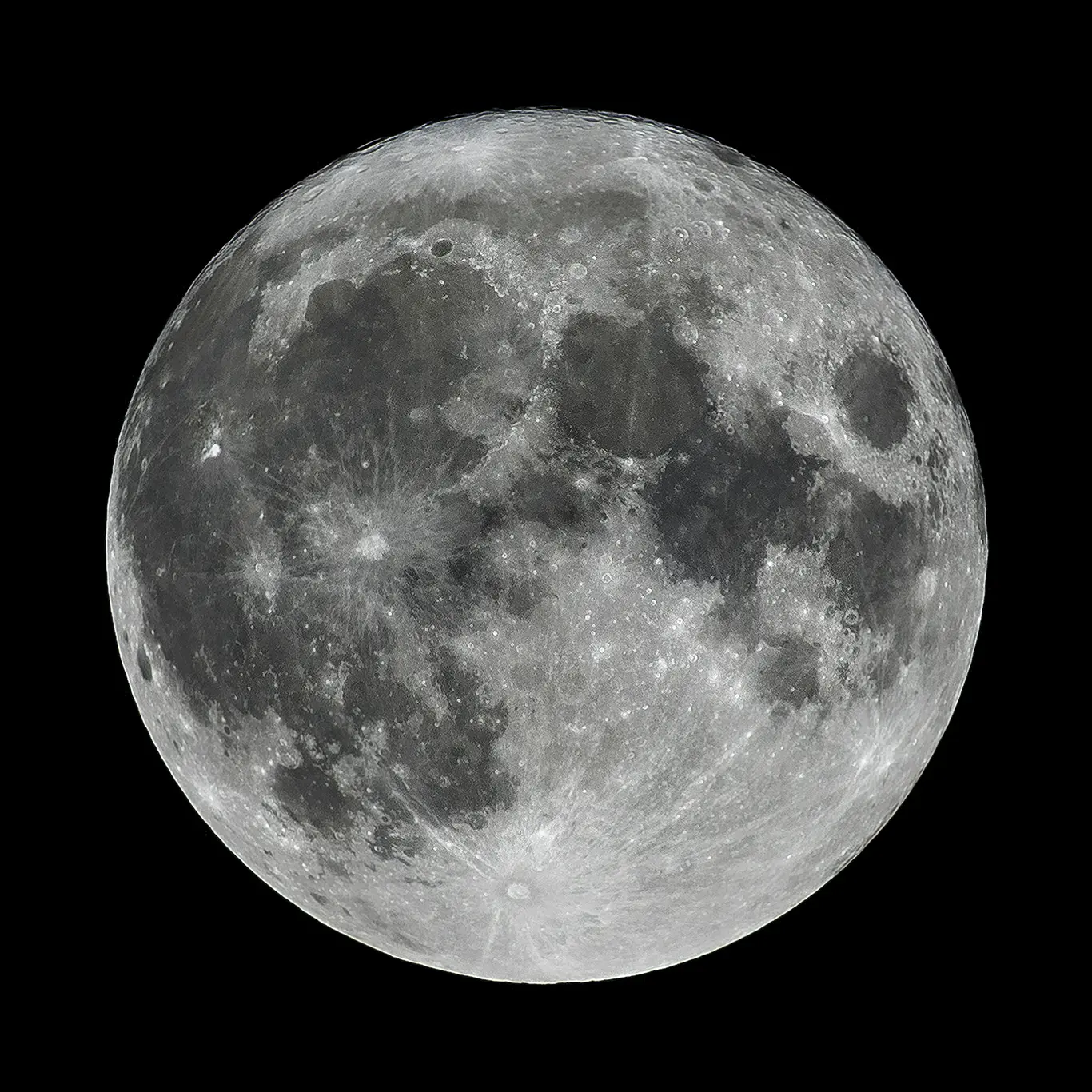
When the girls looked at this photograph of the Moon, they noticed circles on its surface and wanted to know
A star is a huge ball of gas. It is actually made from two gases – hydrogen and helium (think
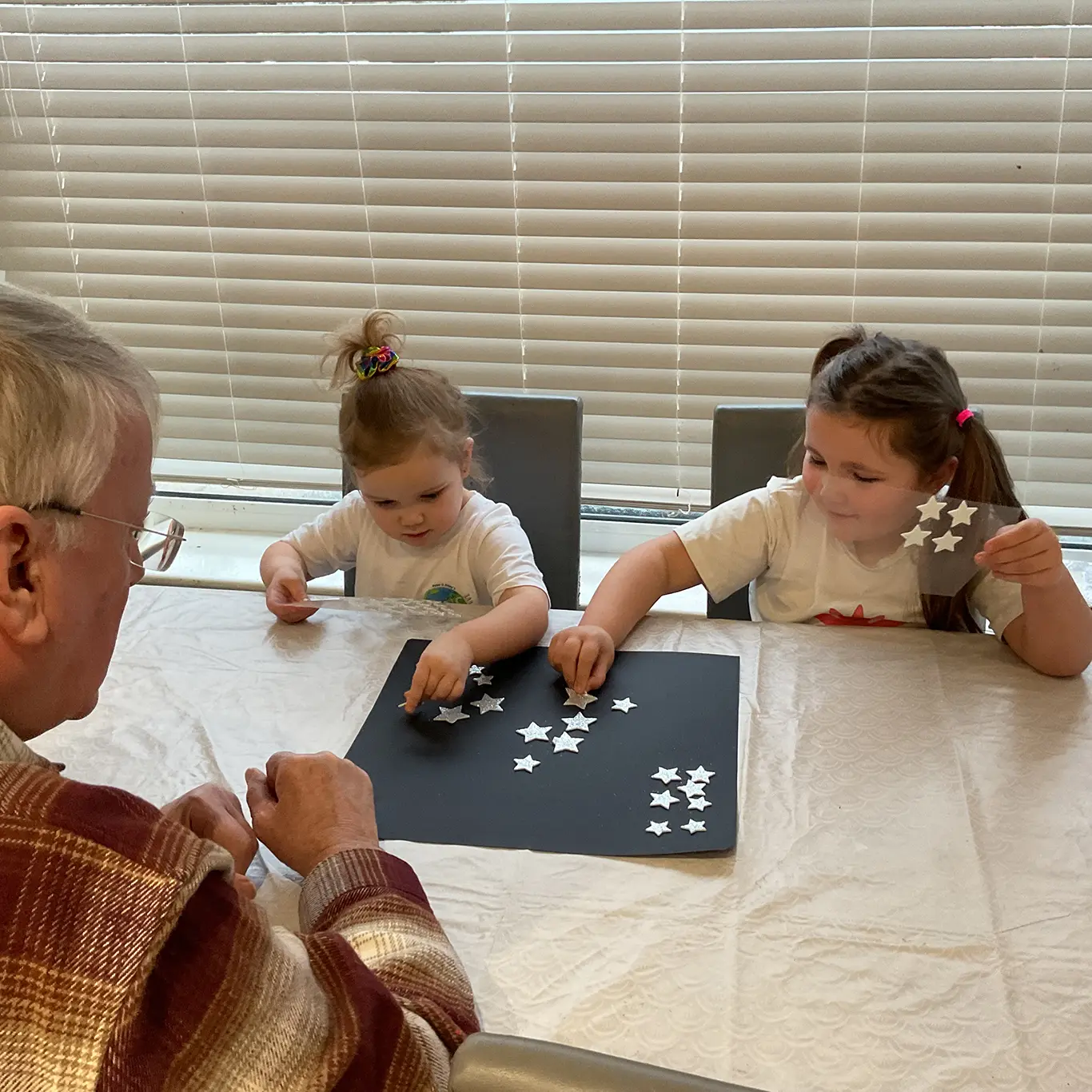
Seeing Stars Learning about stars and constellations If you look up into a clear night sky, you
