
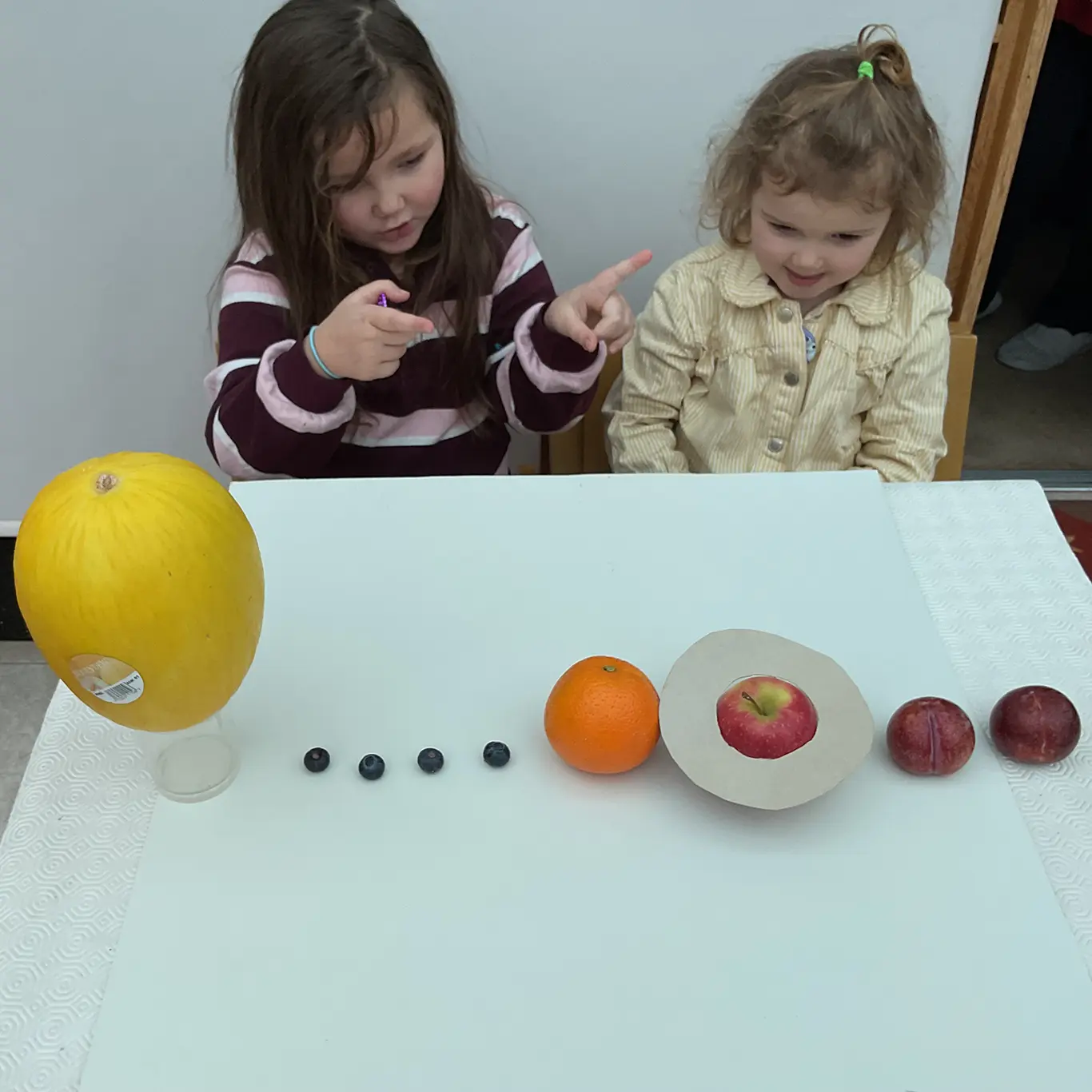
Hattie and Brea built planets and a Solar System model in previous blogs with Gramps.
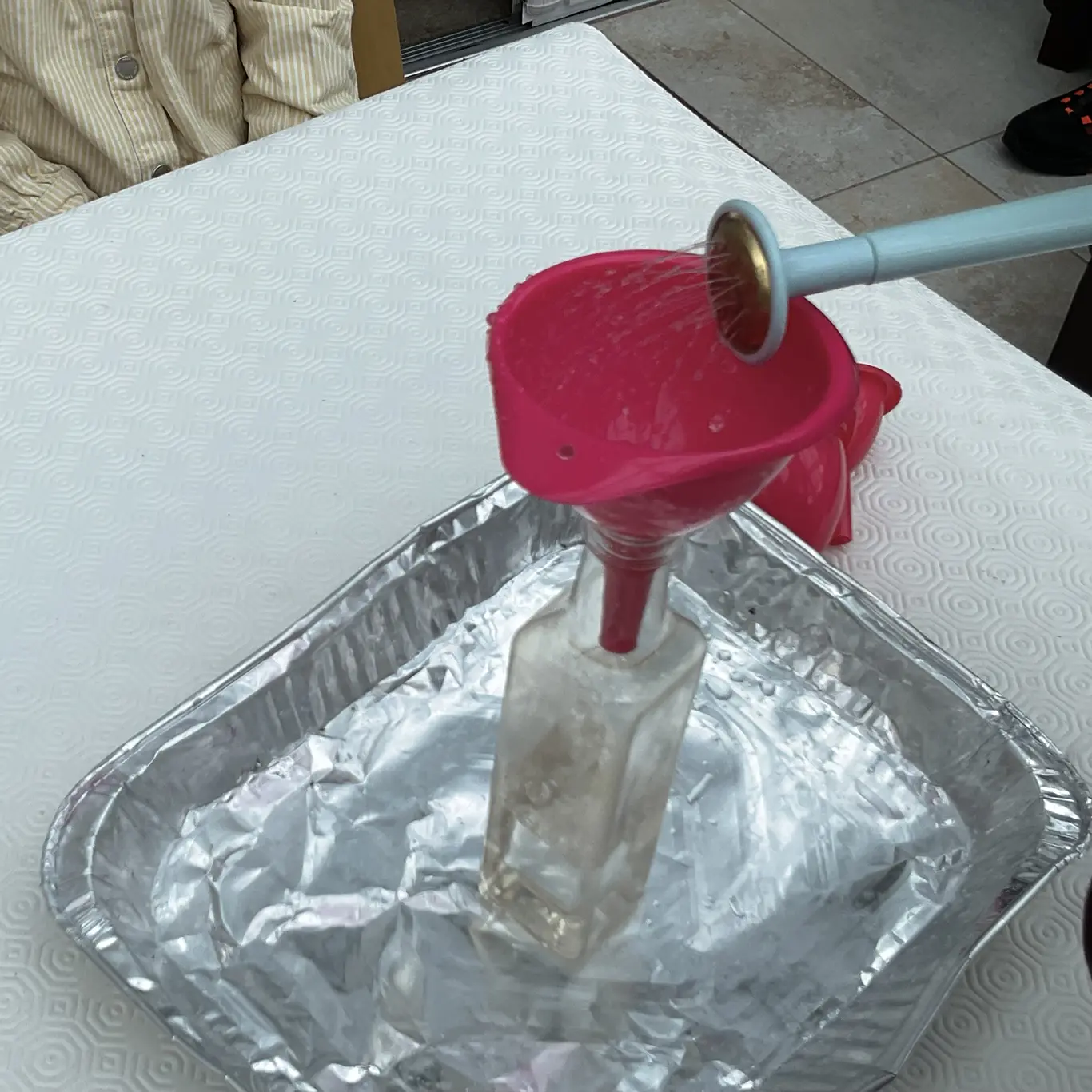
For a planet to have life like Earth, it needs water, so the girls built a rain gauge to find out just how rainy it can get.
The girls know that plants need water and, as the plants here are starting to grow in the spring, they made a model of a woodland habitat. Its purpose is to help them see the four layers of plants that will eventually form on the Patch on the Planet.
For this model they used a plate of vegetables.
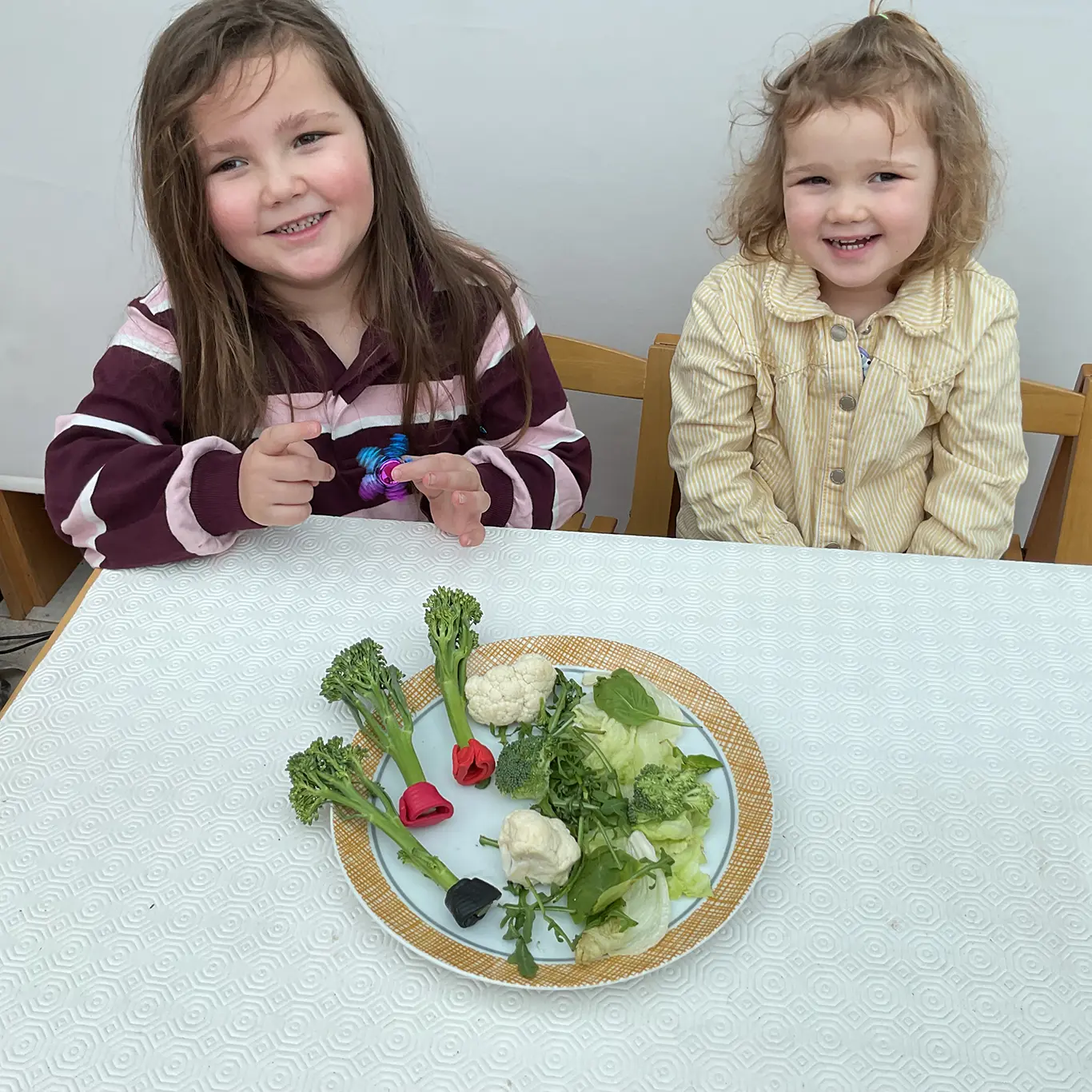
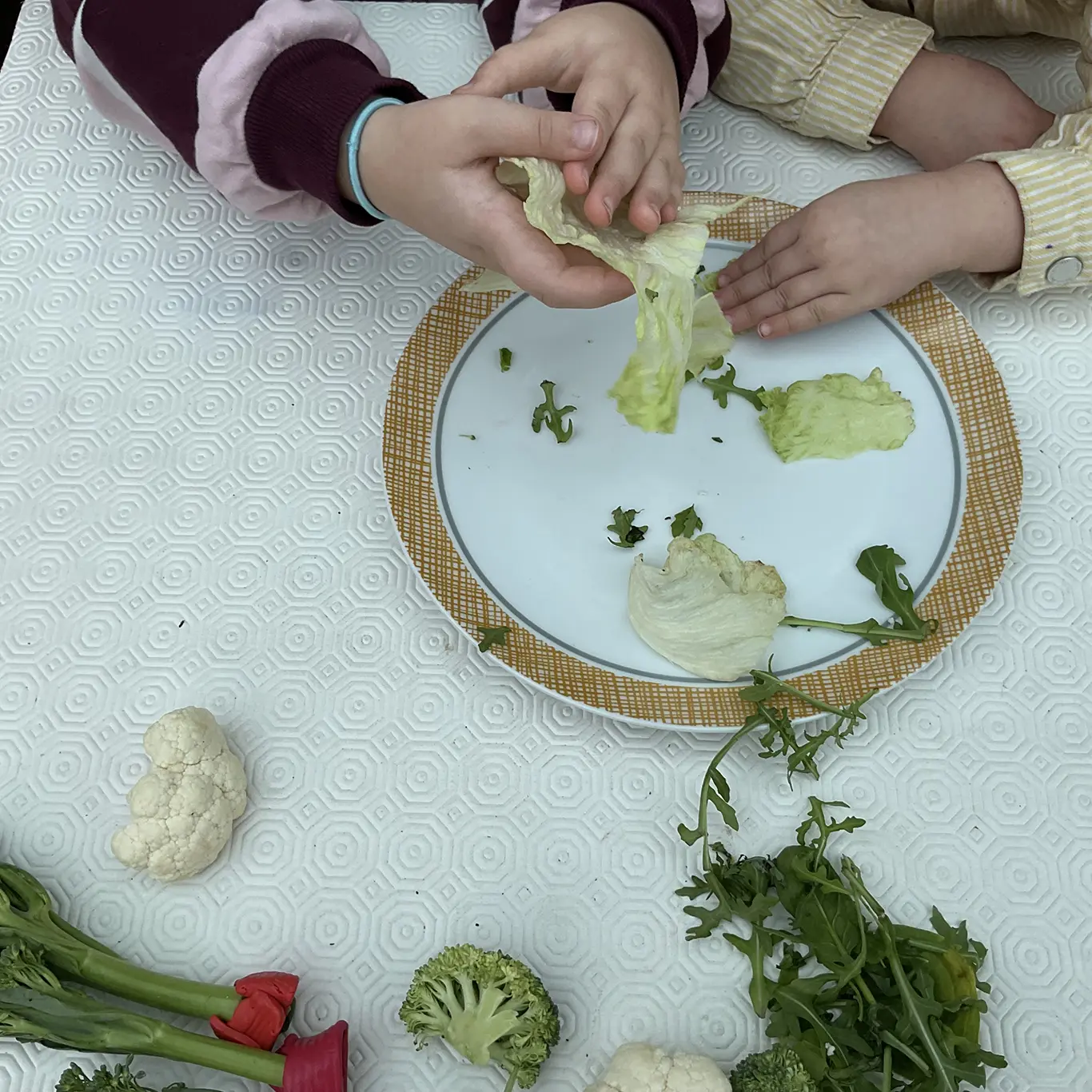
They laid out lettuce leaves to represent the ground layer plants such as grass.
They sprinkled a mixture of watercress, spinach and rocket on top of the lettuce to represent the herb layer plants such as daffodils and, later, cow parsley.
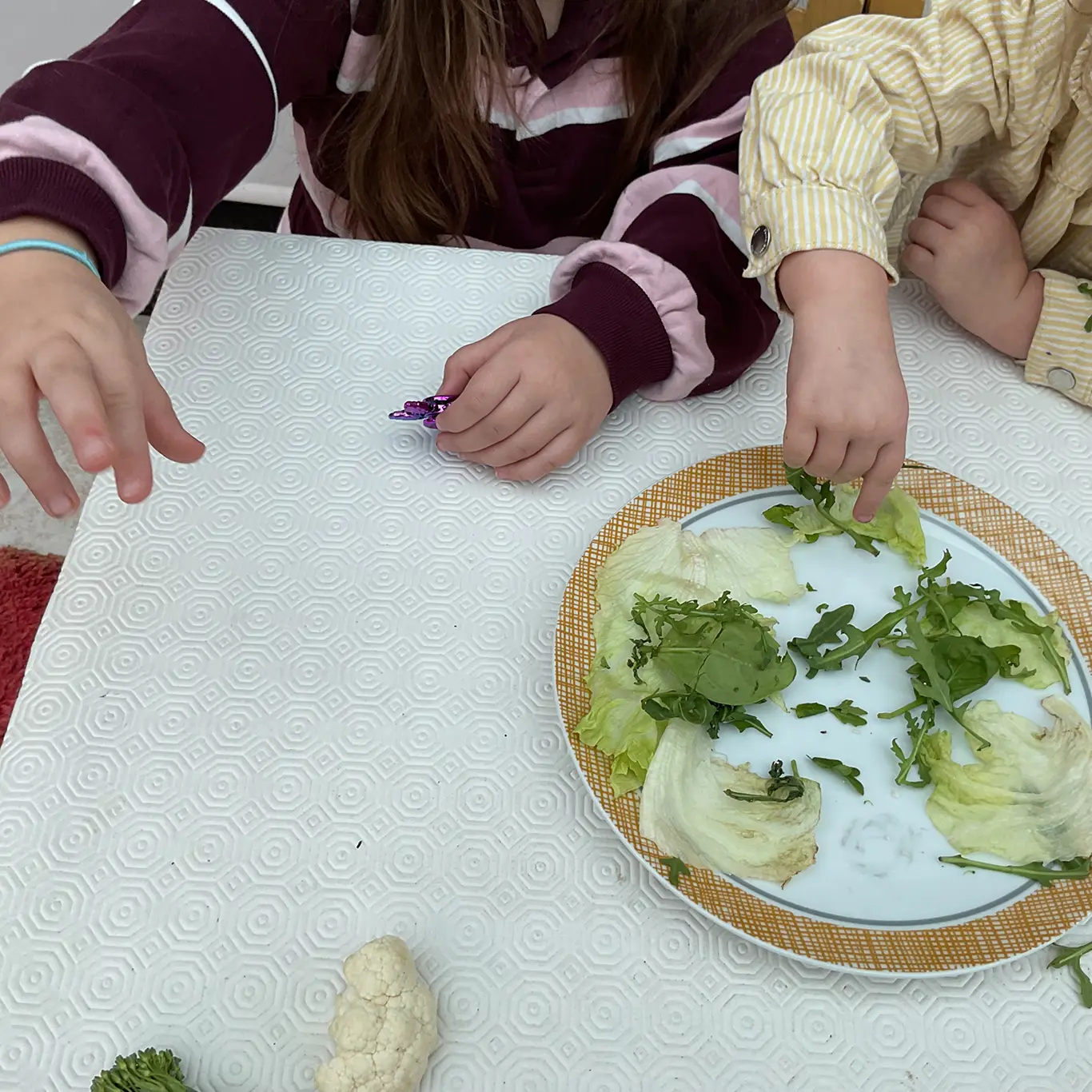
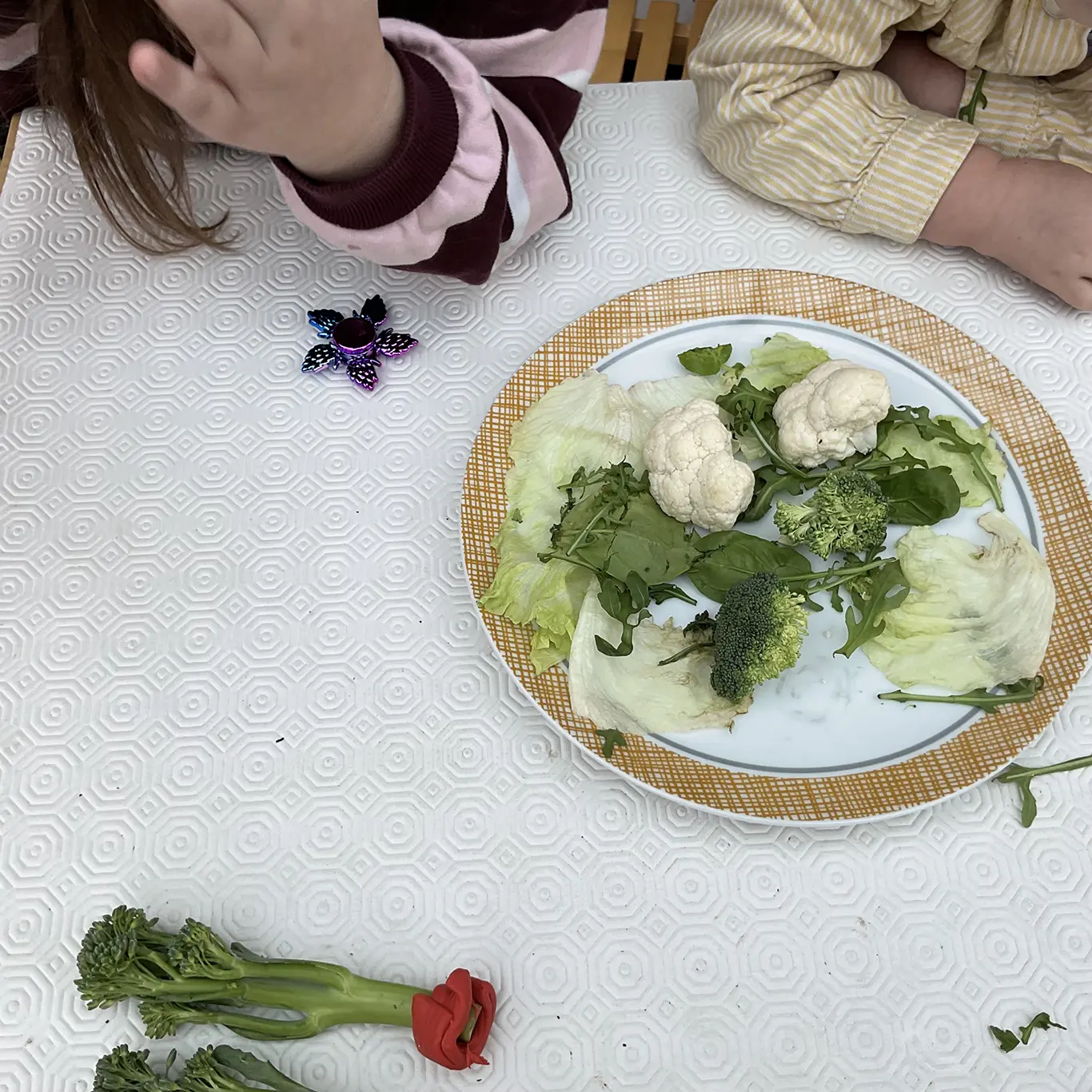
Lumps of cauliflower and broccoli were added to represent the shrub or bush layer plants such as holly and hazel.
Finally, they completed their model with long-stemmed broccoli to represent the tree layer.
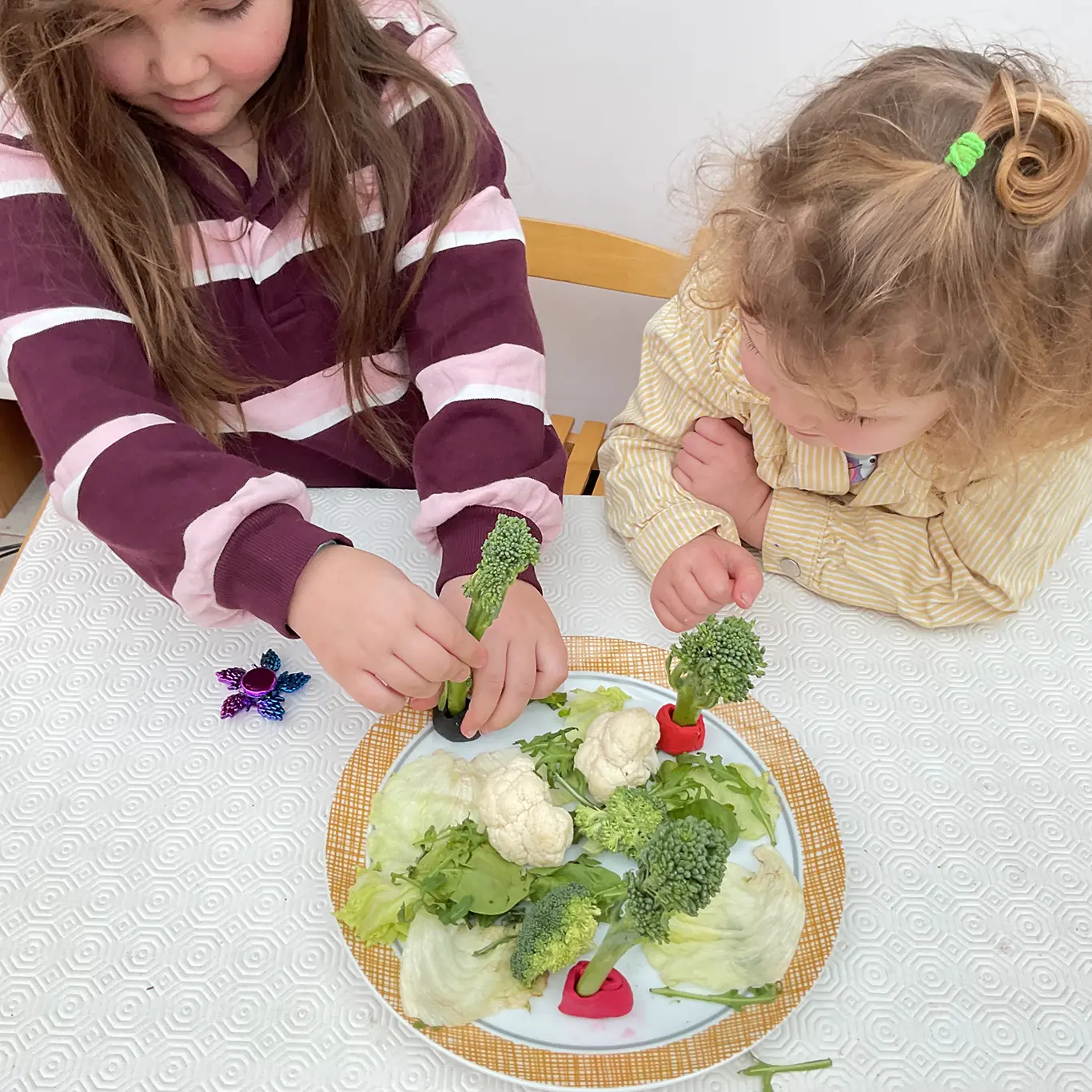
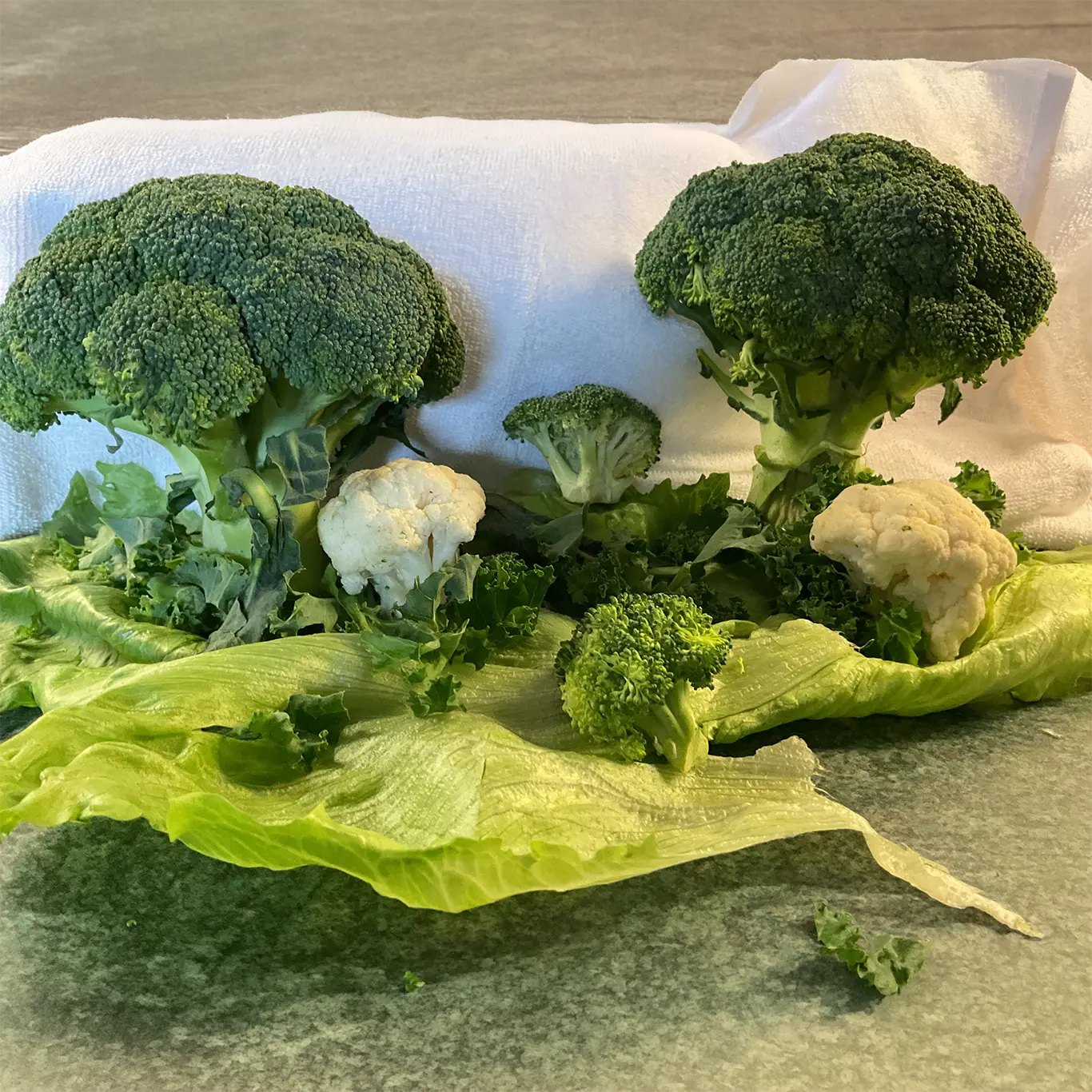
I also made a model which can be used to compare with the plants outside and help identify the layers of vegetation.
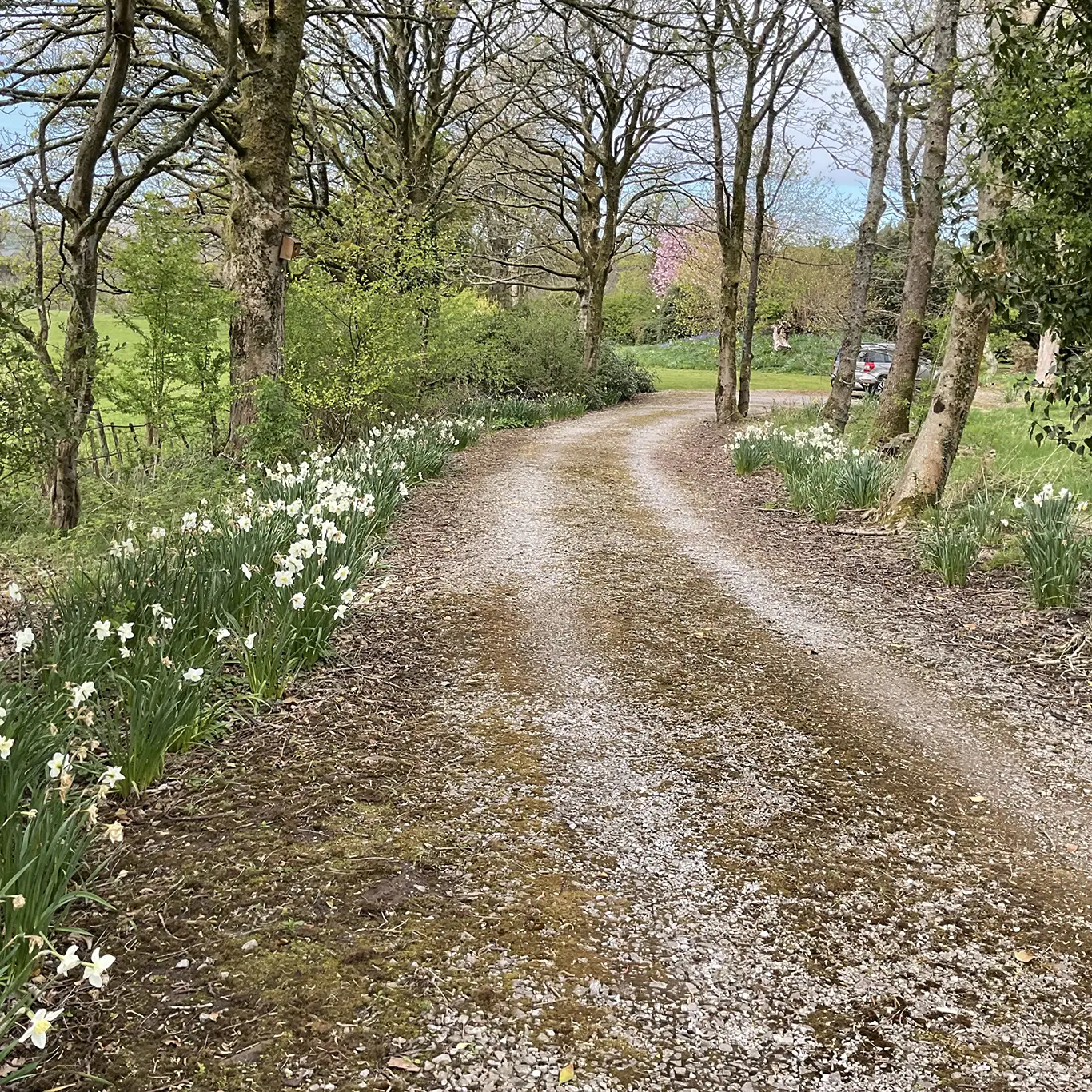
These are easy to see in the springtime.
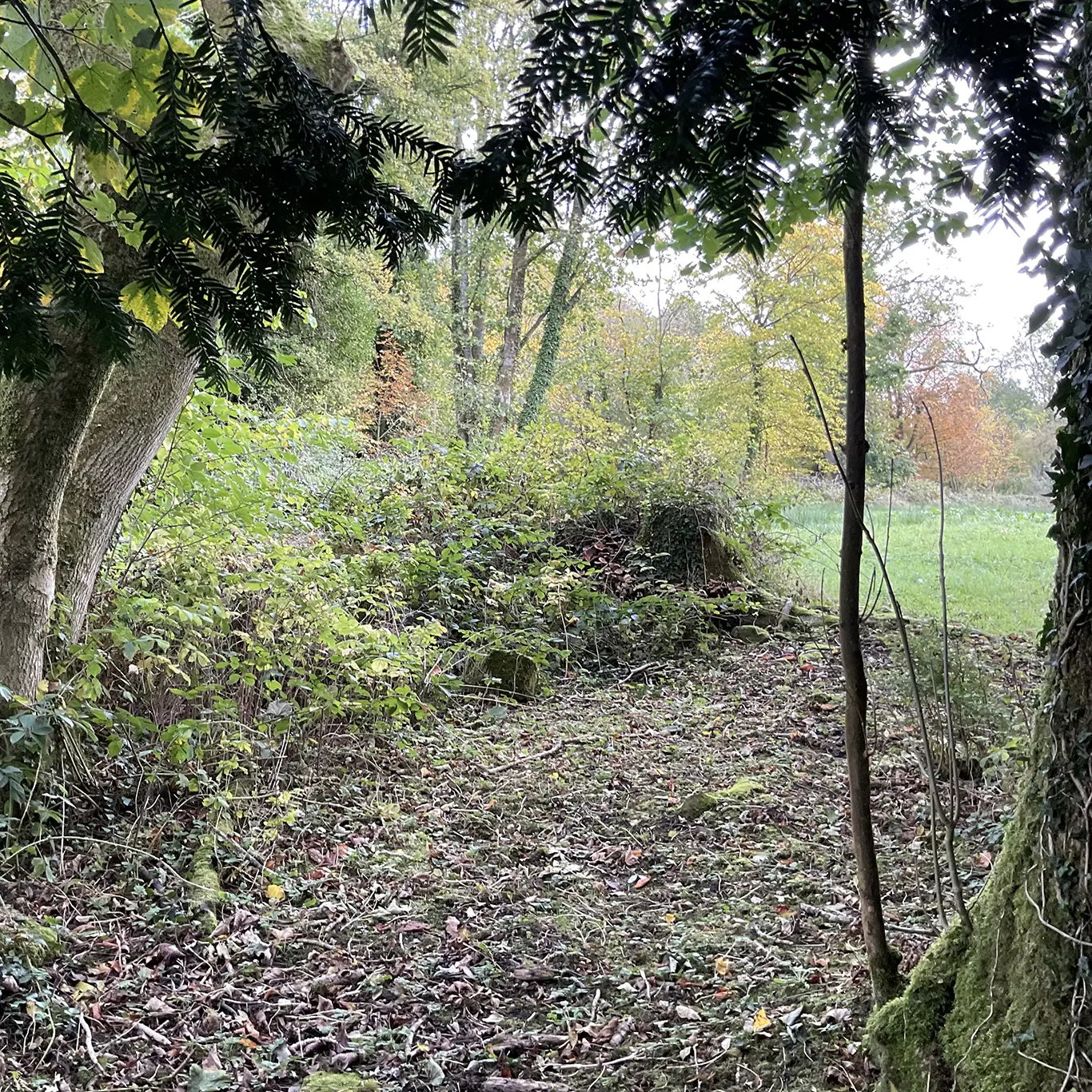
But harder to make out in summer.