
As an educator with decades of experience in science education, I’ve witnessed firsthand how disconnected many children have become from the natural world. This simple tree observation activity offers teachers and parents a powerful tool to combat nature deficit disorder while fostering genuine curiosity about our environment.
All summer long, trees form a green backdrop to our daily lives. We rush past them without distinction, barely noticing these giants that can weigh as much as elephants. Yet sometimes, a tree will do something remarkable that makes us stop and truly see it for the first time.
When Trees Capture Our Attention
Consider this rowan or mountain ash tree >
Throughout spring and summer, this tree’s leaves blended seamlessly with its neighbors. Its modest white flowers, though numerous, weren’t bold enough to catch the attention of hurried passersby. But now? Those inconspicuous flowers have transformed into clusters of brilliant orange berries that demand notice from everyone who looks their way.
This moment of recognition—when we suddenly see a tree—offers a perfect teaching opportunity for parents and educators working to reconnect children with nature.

Turning Observation into Learning
A chance observation like this naturally leads curious minds to wonder: “What are the other trees doing at this time of year?” This question becomes the foundation for meaningful nature connection activities.
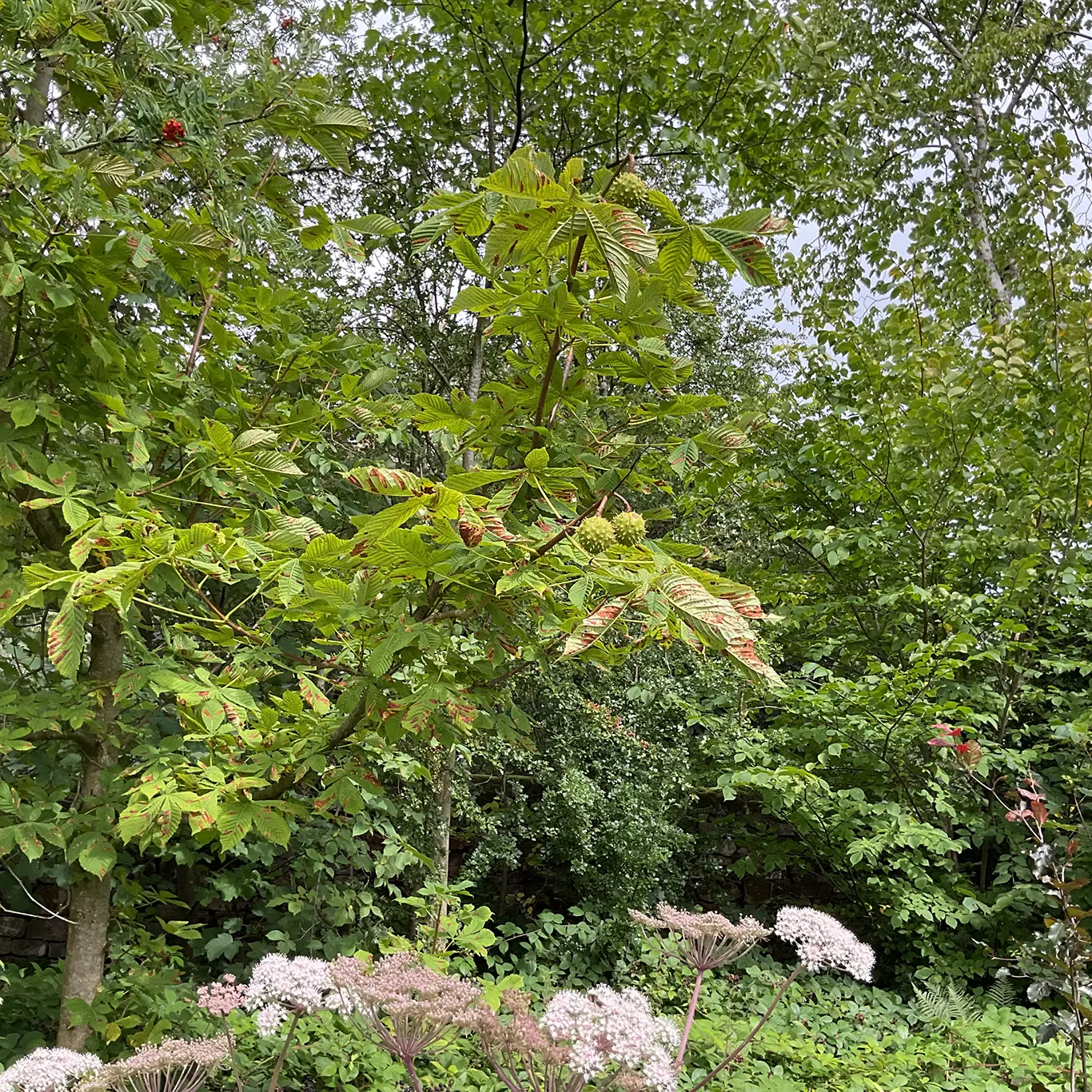
Take the familiar horse chestnut with its distinctive ‘conker’ fruits (visible at the center of this image).
The Subtle Stories Trees Tell
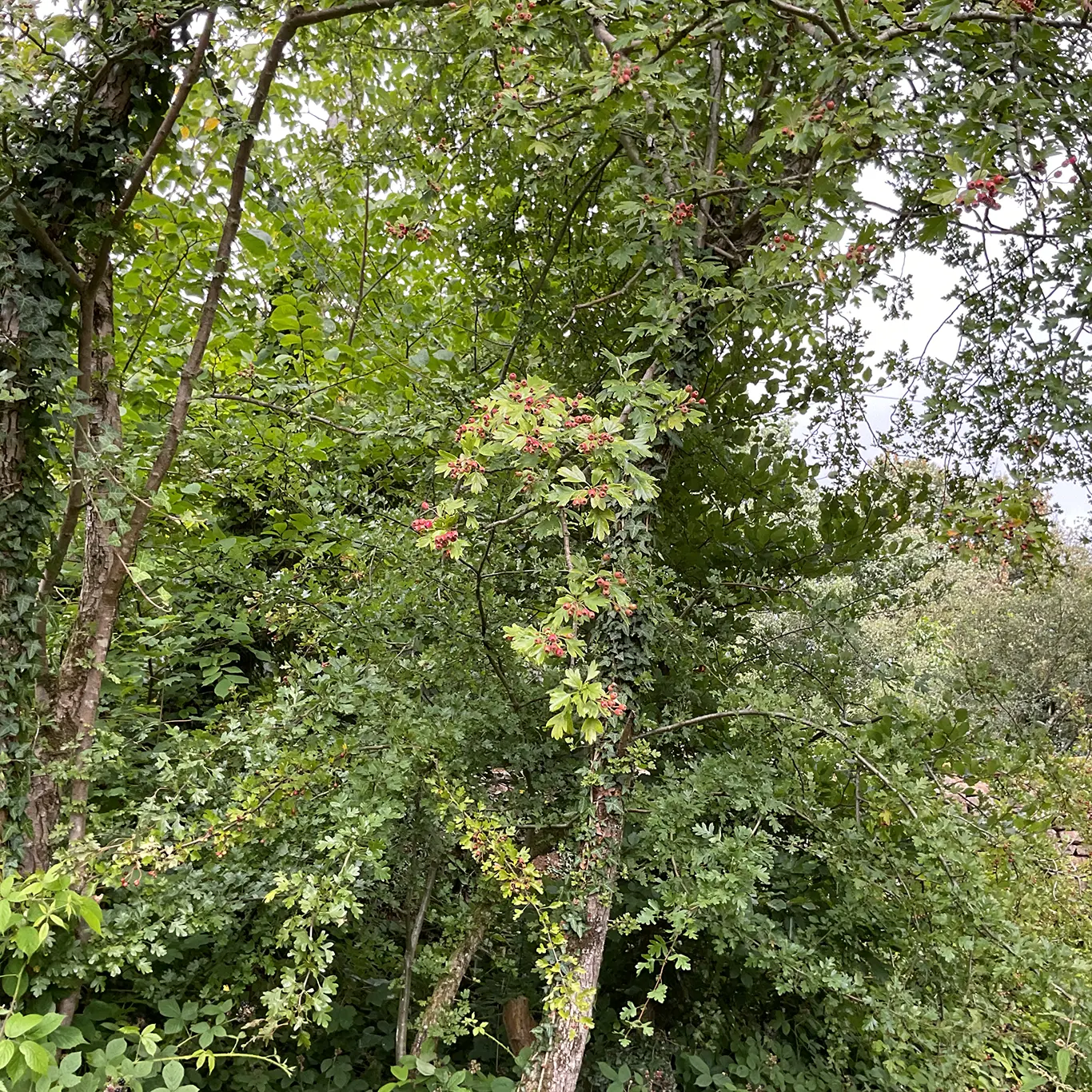
Not all trees announce their seasonal changes as dramatically. Some, like this hawthorn tree, display their berries more quietly.
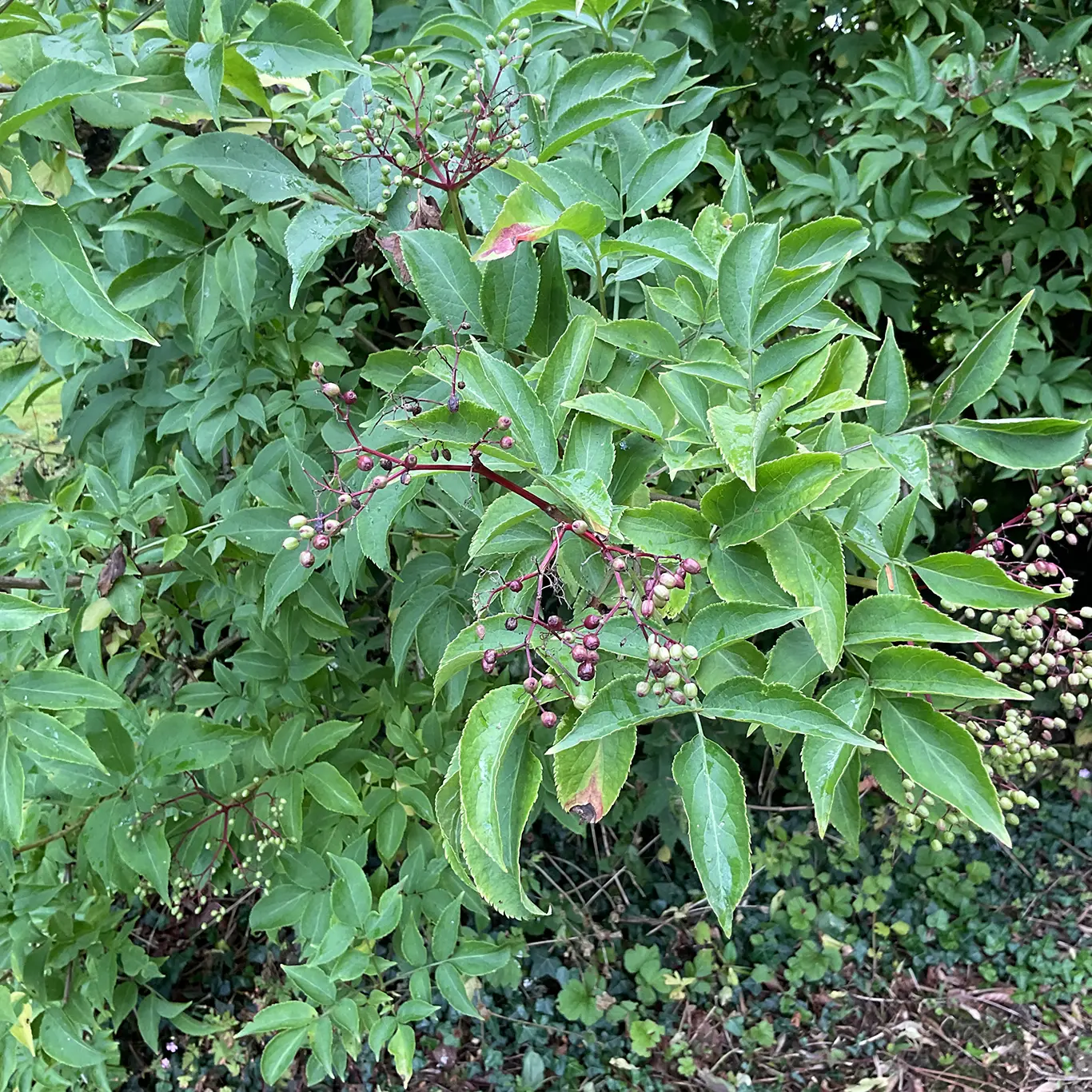
While others, like this elderberry tree, offer their own understated beauty:

Nature’s Surprises Spark Wonder
Sometimes trees genuinely surprise us, challenging what we think we know about the natural world.
This alder tree has produced cones—highly unusual for a deciduous tree, as cone production typically belongs to evergreen conifers. Moments like these remind us that nature still holds mysteries, even in our familiar neighborhoods.
Combating Nature Deficit Disorder Through Tree Friendship
In our increasingly busy lives, we often lose touch with the natural rhythms around us. This disconnection contributes to what researcher Richard Louv termed “nature deficit disorder”—the growing gap between children and the natural world. However, simple tree observation offers an accessible remedy.
For Teachers: Incorporate seasonal tree watching into your curriculum. Students can track changes, predict patterns, and develop genuine relationships with the living world outside their classroom windows.
For Parents: Whether homeschooling or simply enriching weekend activities, tree observation requires no special equipment—just curiosity and regular attention.
The Forest School Approach: Adopting a Tree Friend
Children in forest schools are encouraged to select a “tree friend” and follow its life through the seasons. This practice develops:
- Scientific observation skills
- Emotional connection to nature
- Understanding of seasonal cycles
- Patience and mindful attention
- Sense of environmental stewardship
Why not embrace your inner child and adopt a tree near you? Adult reconnection with nature often begins with simple practices like tree friendship.
Your Patch of Nature Awaits
Trees everywhere are waiting to become friends—in school grounds, neighborhood parks, or your own backyard. Each tree has its story to tell throughout the year, from spring’s subtle leaf buds to autumn’s spectacular color changes.
Ready to start your tree friendship journey? Begin by simply choosing one tree you pass regularly. Notice what it’s doing right now—fruit production is the main focus as trees work to reproduce. Mark your calendar to check on your tree friend again in a few weeks.
For more nature connection activities and seasonal observations, explore our comprehensive archive of science education resources designed specifically for teachers and parents committed to reducing nature deficit disorder in children.
