
In the first blog in this series, we explored how creating a nature table stimulates curiosity, develops observational skills using a range of senses, and helps children identify natural objects by comparing their features.
In this second instalment, I’ll show you how fallen leaves can take your children’s scientific enquiry skills even further.
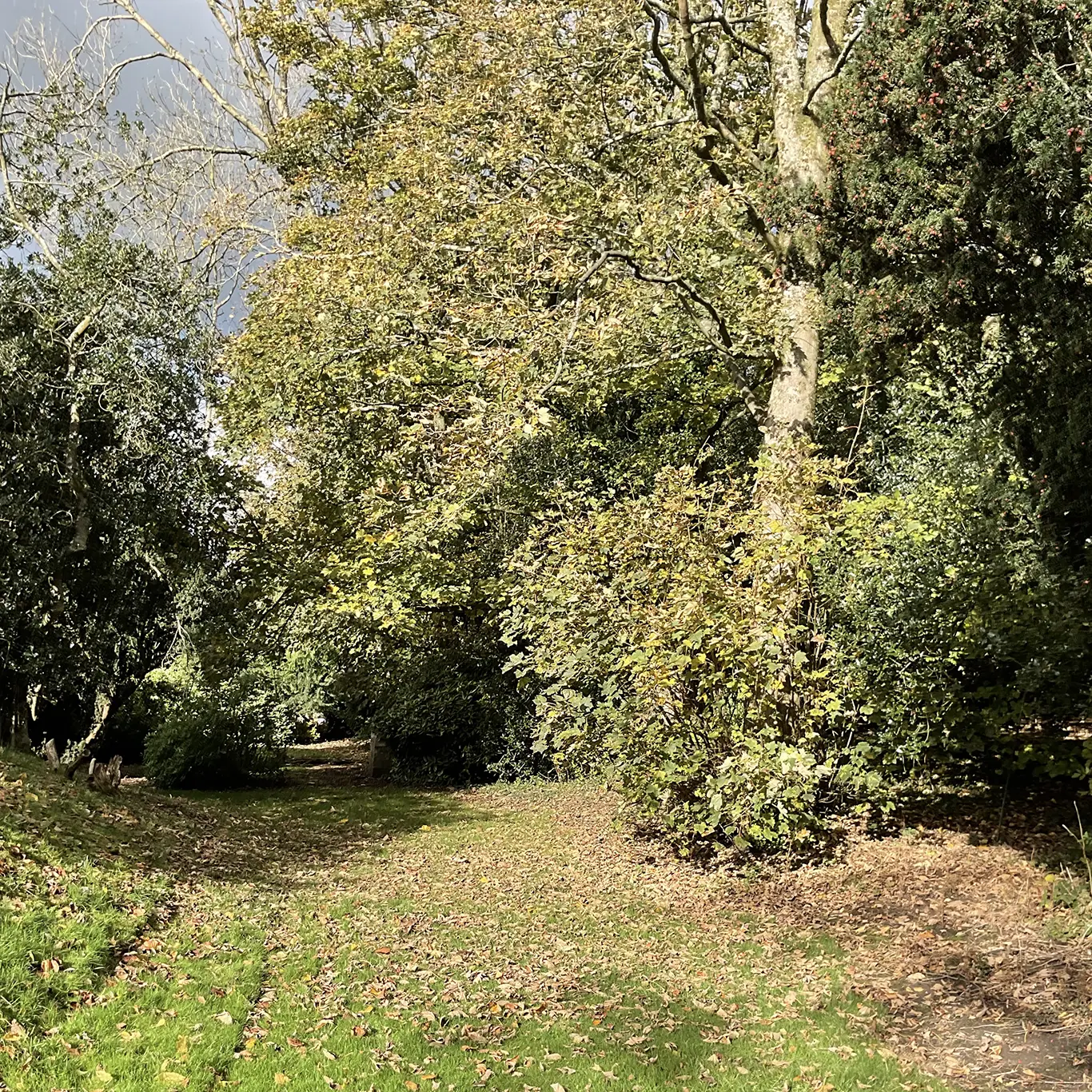
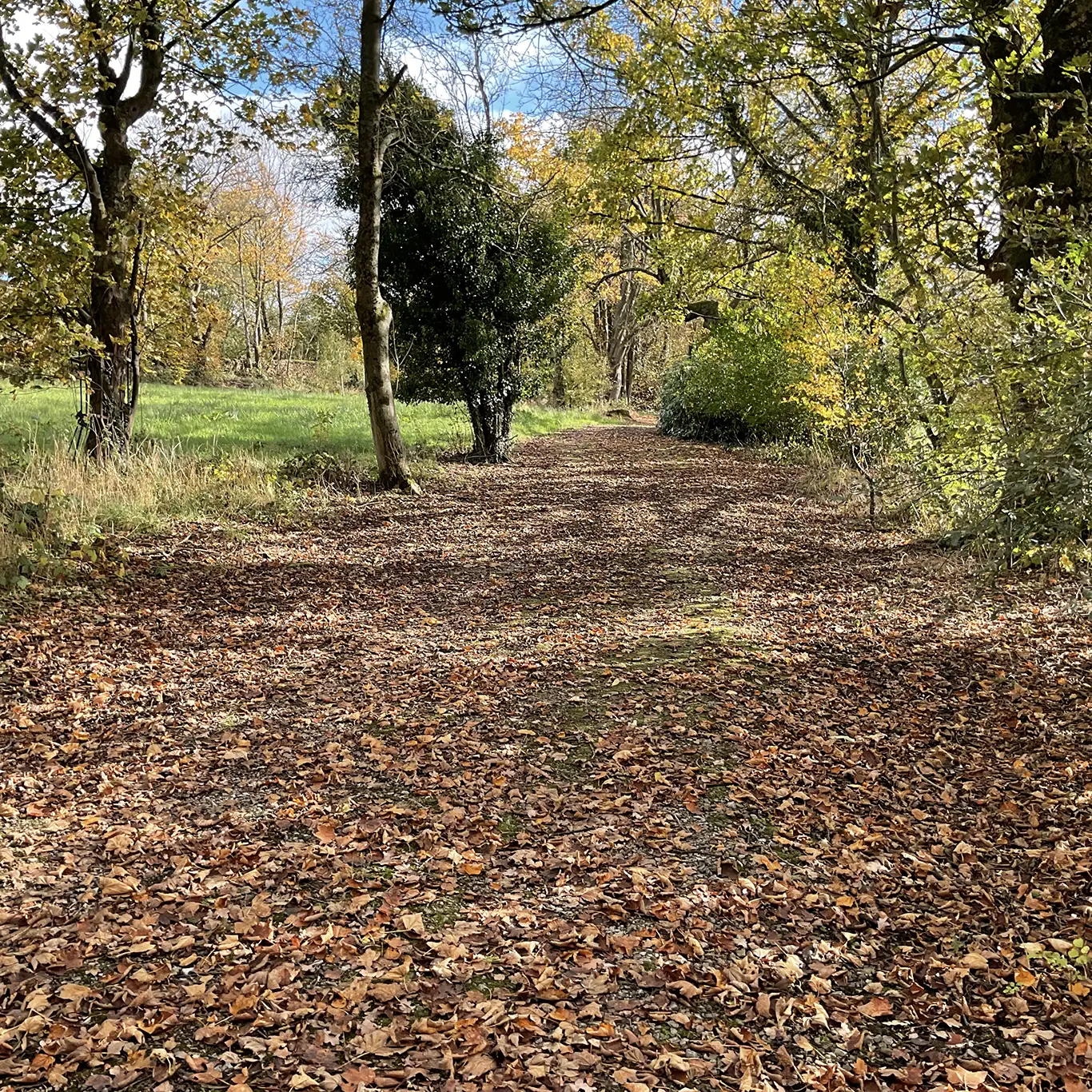
Starting with a Simple Scientific Question
Scientists begin every exploration by asking a question. With your collection of autumn leaves, start with this: “Are all the leaves the same?”
This seemingly simple question opens up multiple pathways for investigation. A quick glance over a pile of leaves reveals that some display different colours from others. Look more closely, and you’ll notice the leaves also have different shapes.
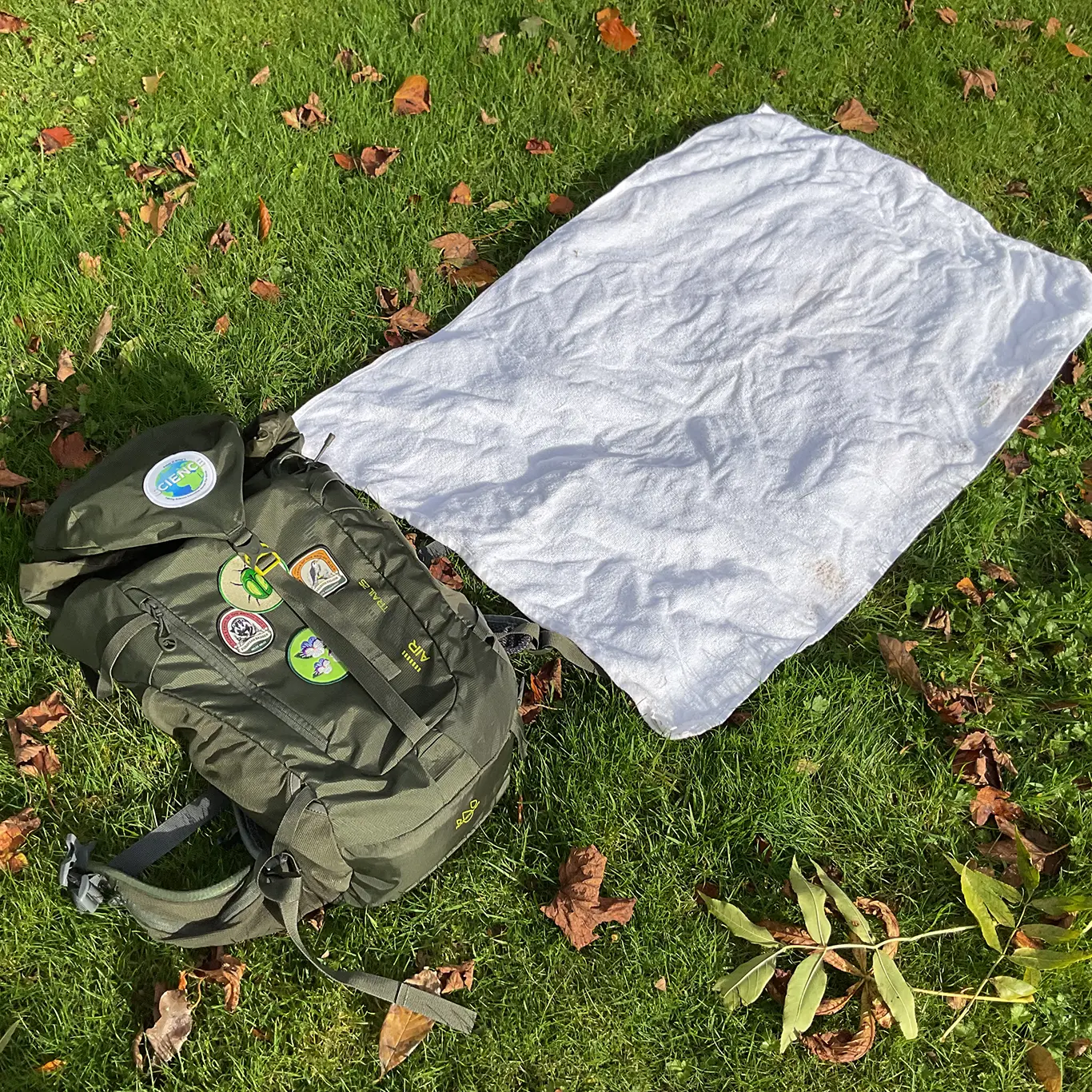
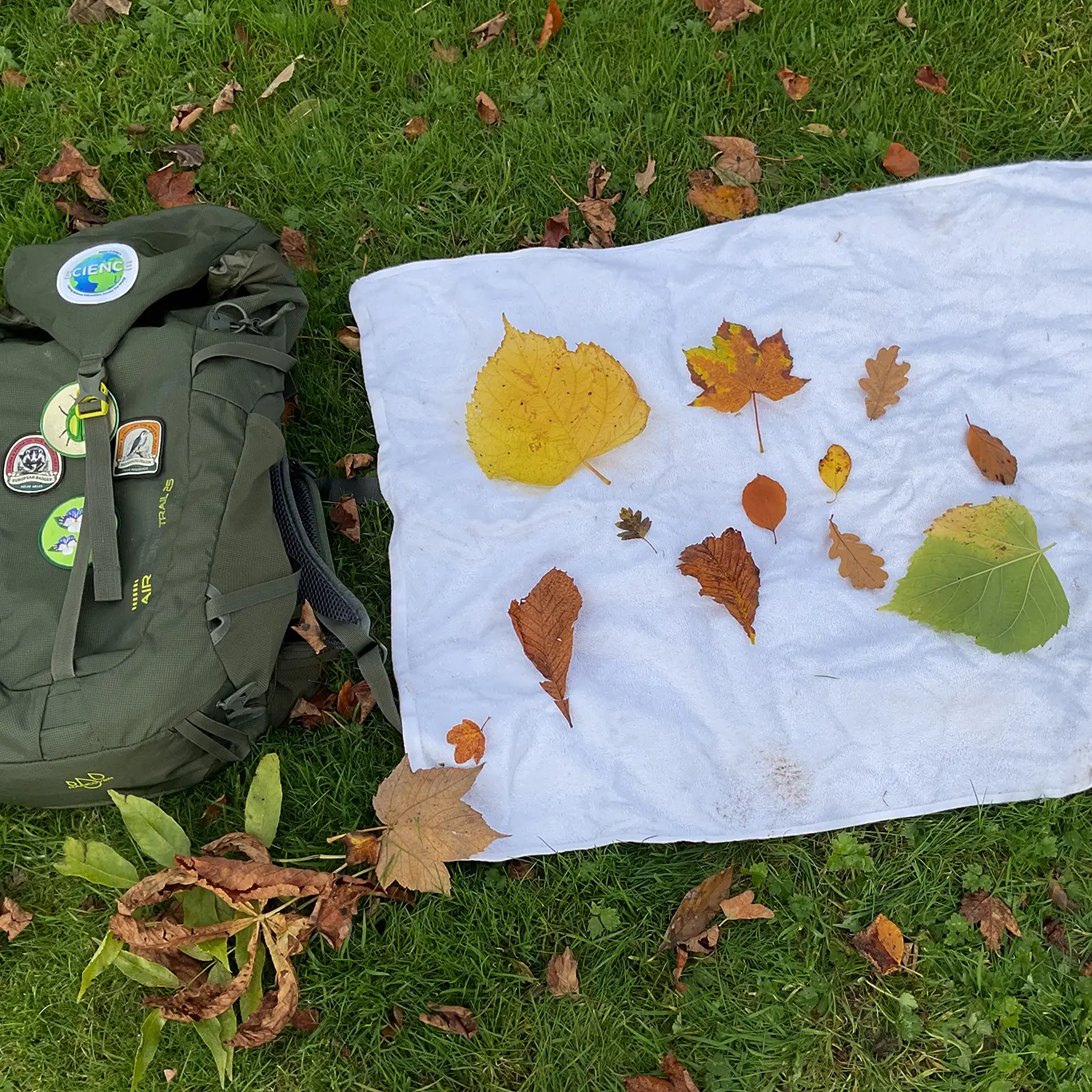
One of the most effective ways to compare leaf shapes and colours is to arrange them on a white background. I use the white towel from my Outdoor Scientists Backpack for this purpose, as the plain background makes the differences immediately visible.
Moving Beyond the First Question
Scientific exploration doesn’t stop once you’ve answered your initial question. The real learning happens when you generate more questions. With fallen leaves, two particularly productive questions emerge:
Question 1: “How many different shaped leaves can be found?”
The answer reveals itself when you lay out the leaves on your white surface. This simple sorting activity helps children recognise patterns and differences in nature.
Question 2: “Which trees have dropped these leaves?”
This second question requires a bit more detective work. You’ll need a tree identification book or website to match your leaves to their parent trees.
To help you get started, I’ve identified the leaves in the photograph.
From top left to bottom right, these are: lime, sycamore, oak, hawthorn and silver birch.
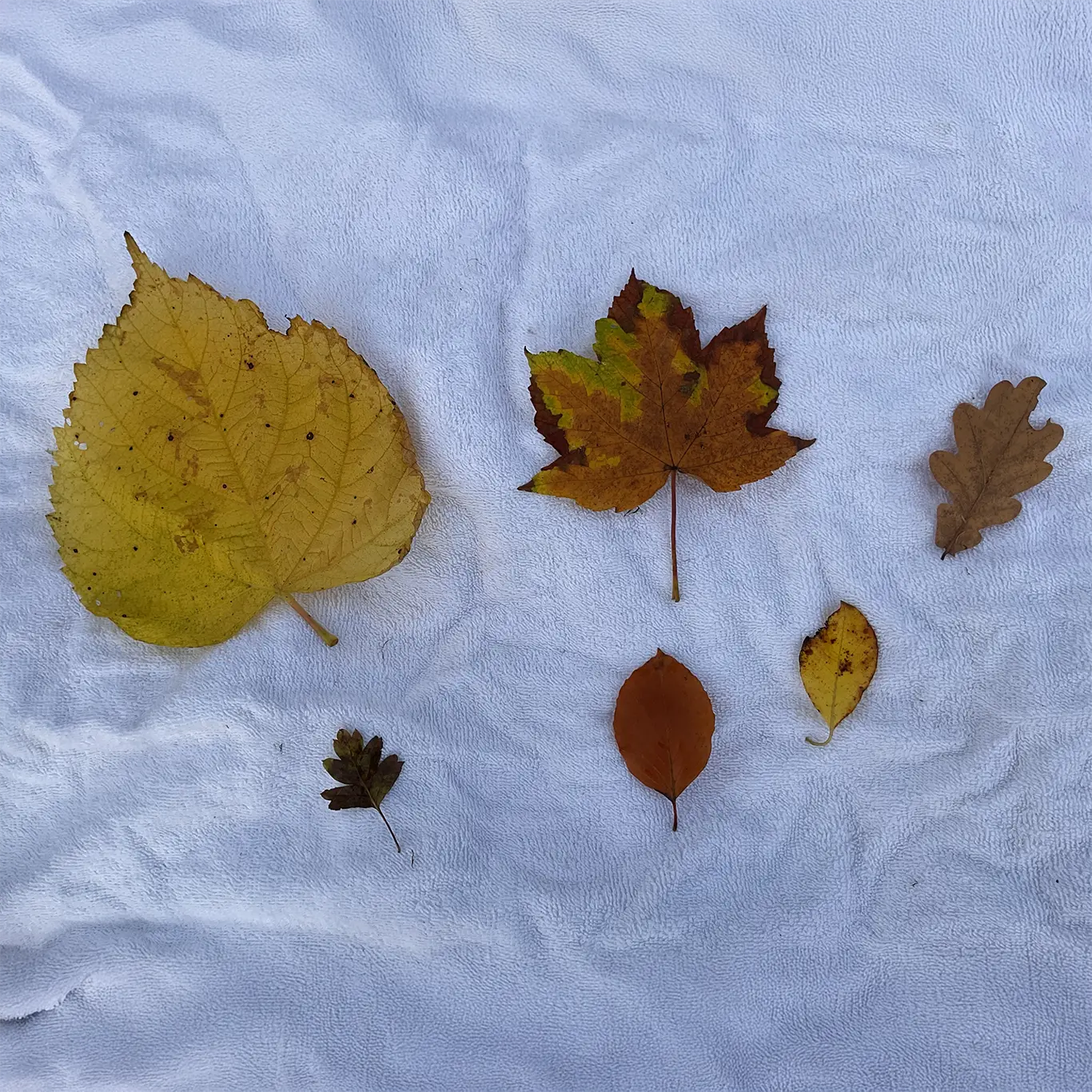
From top left to bottom right, these are: lime, sycamore, oak, hawthorn and silver birch.
Understanding Compound Leaves
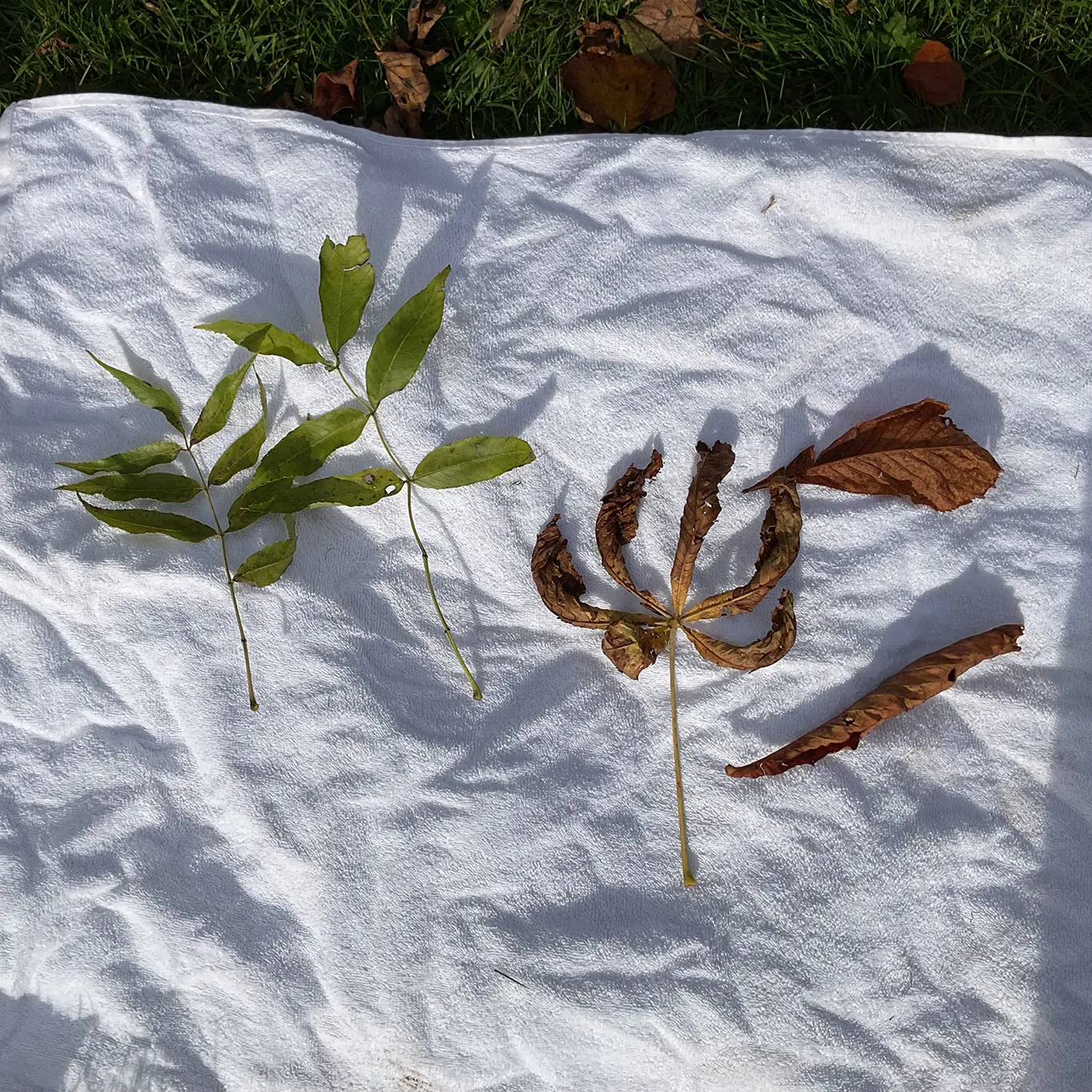
Some trees produce large leaves that are divided into smaller sections called leaflets. When these fall, the leaflets may remain connected—as you can see with the two elder leaves on the left of this photograph and the horse chestnut leaf beside them. On the far right are individual leaflets from a horse chestnut that have separated and begun to curl up. Many of the leaves in the first photograph are actually horse chestnut leaves that have split into their component leaflets.
Adapting the Activity for Different Ages
The beauty of leaf-based activities is their flexibility across age groups:
Younger children can use leaves as a counting exercise, developing basic numeracy whilst engaging with nature.
Older children (particularly those who’ve used the Outdoor Scientists Backpack) can collect data to identify tree species and discover the biodiversity of trees in their local area or patch.
Identifying Trees in Your Local Area
The leaves I’ve shared come from trees growing in our patch on the planet. They’re excellent for introducing tree identification to your children, as these species grow widely throughout the northern hemisphere. These ideas work anywhere in the world where trees seasonally drop their leaves.
Helpful Resources for Leaf Identification
These websites can assist with identifying leaves from your own area:
