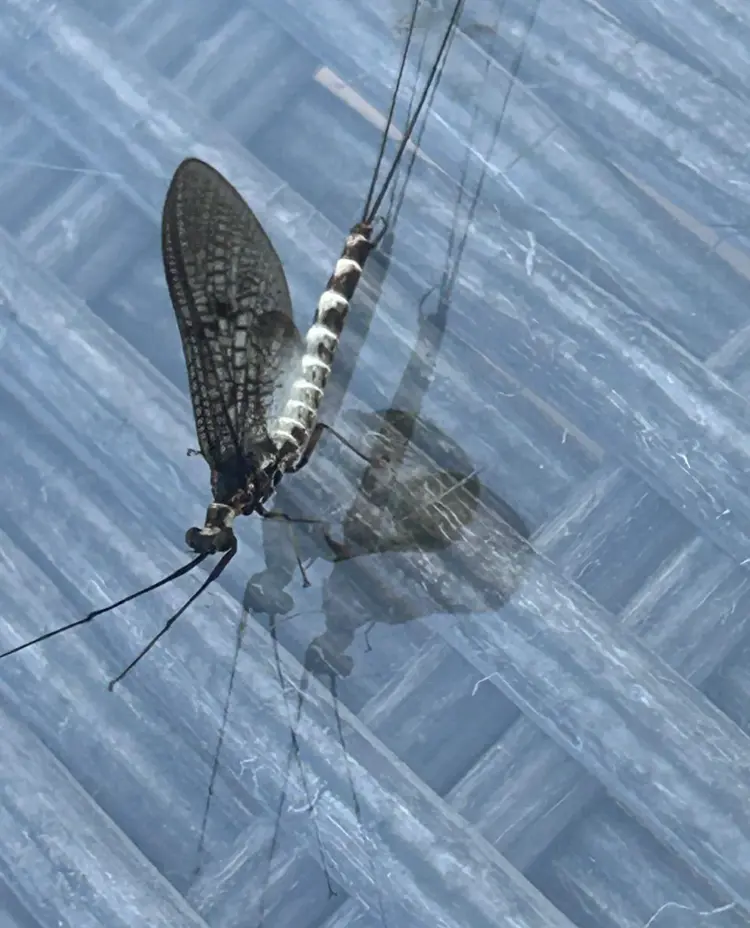
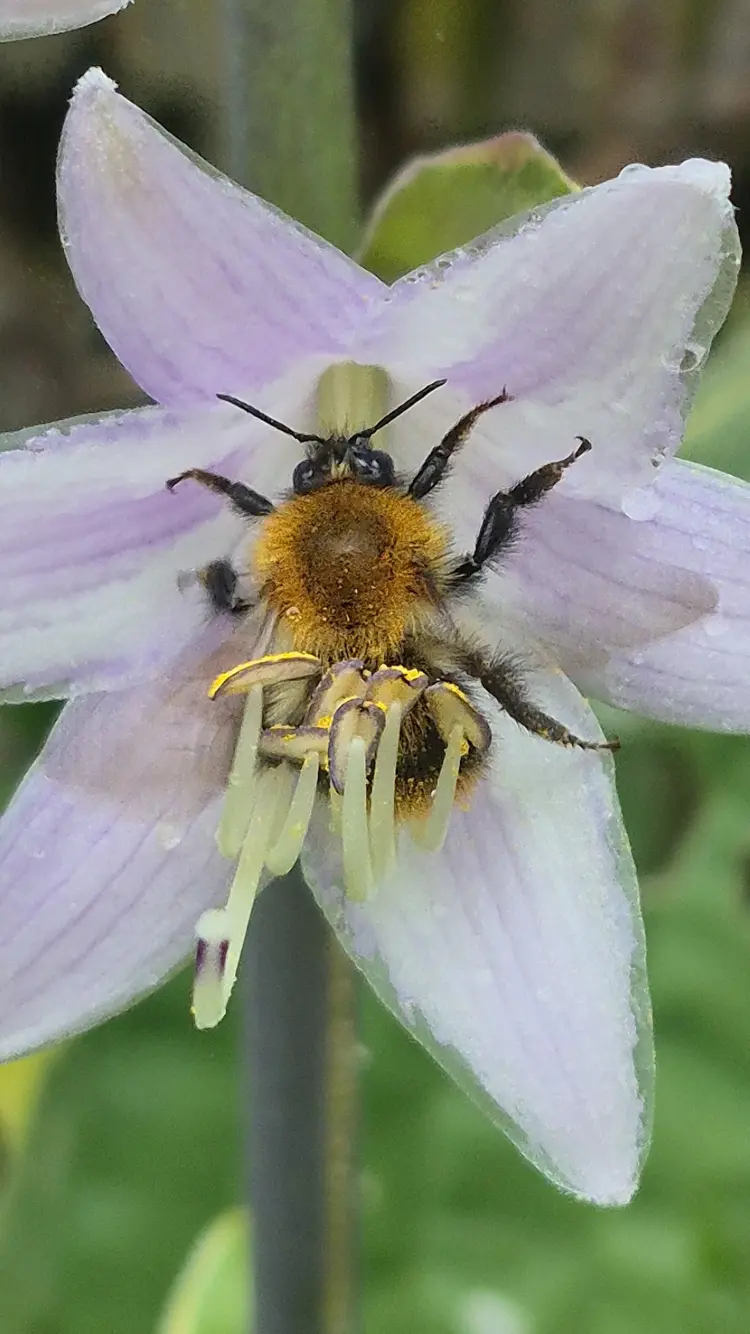
A couple of weeks ago someone sent me a picture of a bee on a flower collecting pollen.
You can see the stamens curved up around the bee’s back depositing their pollen.
This got me thinking about using this in a project where I am trying to get children to engage more with nature. The project is called “From Screen World to Real World” and the idea is to get children to use the screens on their phones and tablets to explore the real world. The photo of this bee made me think of the following, which is especially relevant with all the insects flying about now in the summer heat.
Flowers make good landing pads, so why not look for insects on them and take their photographs?
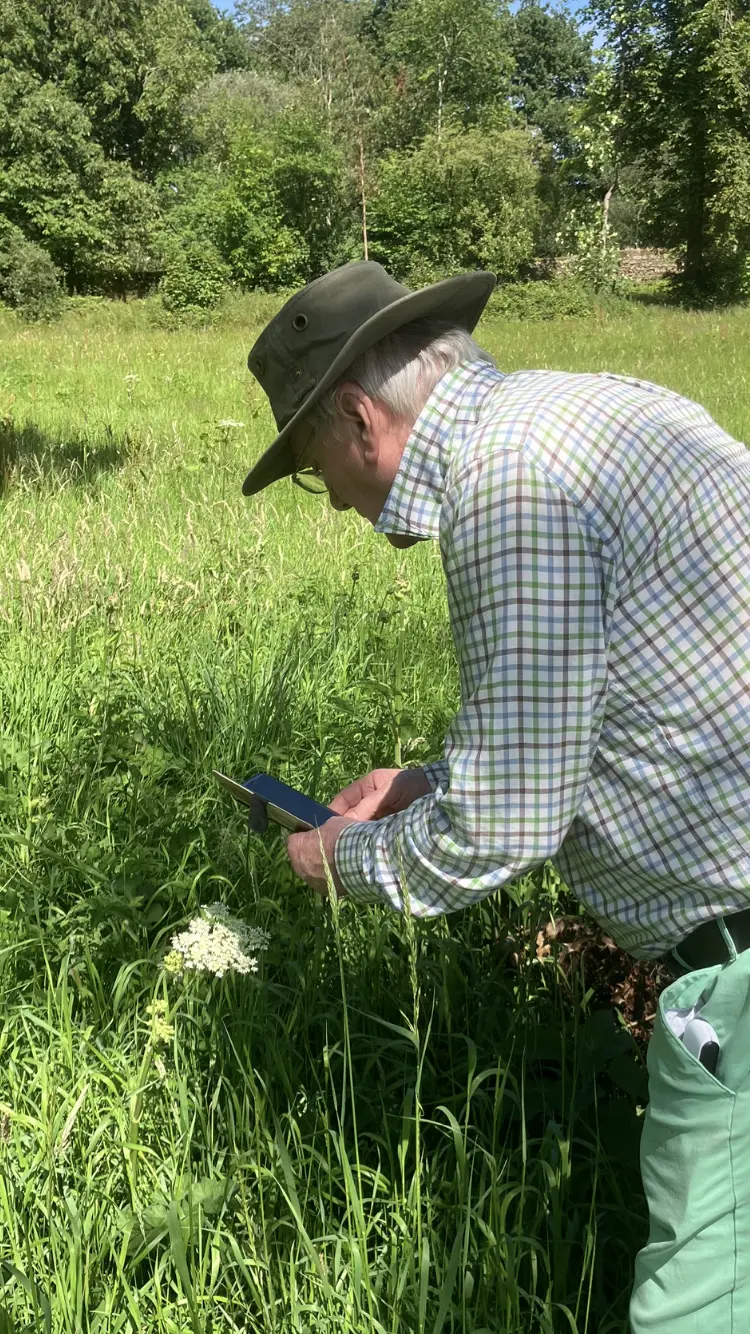

In this way, you or your children experience what it is like to be a wildlife photographer – with insects flying away as you click, the wind blowing a flower out of view or out of focus – but also feeling the joy when you get a good clear picture.
Taking pictures of insects soon reveals the biodiversity in this group of animals, and this is an aim of ours – to maintain or improve the biodiversity of all habitats.
So moving from Screen World to Real World in this way helps children realise what skills and luck are needed to take the good wildlife pictures we enjoy, and also helps develop an understanding of what biodiversity is about. Nature photography for children becomes not just an activity, but a gateway to environmental awareness and scientific observation skills.
Here are a few more pictures that have been sent in. Some are not on flowers, but for this wide-ranging project about biodiversity, it doesn’t matter.
The pictures may not be perfect, but they record that people are getting out there and taking a closer look at the insects that share our planet.
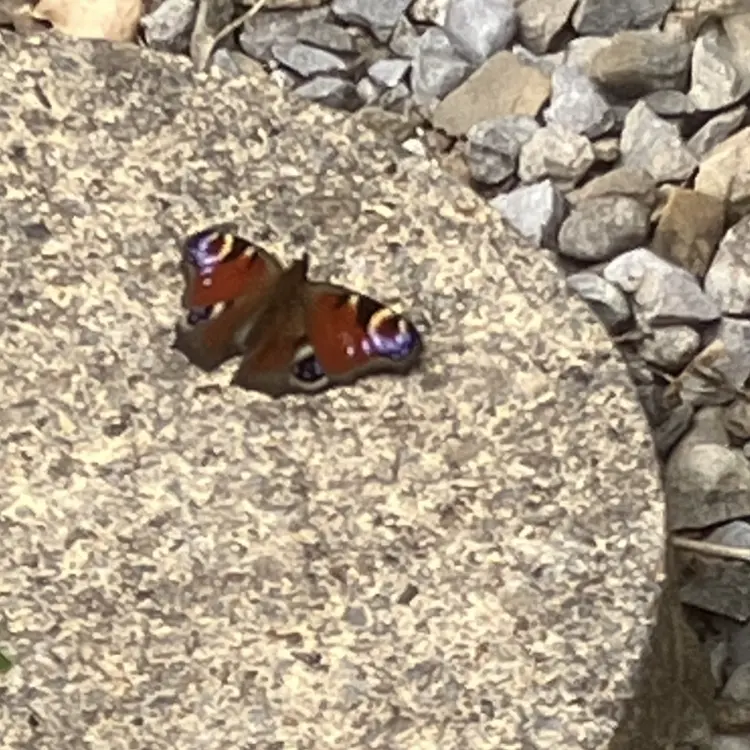
Peacock Butterfly
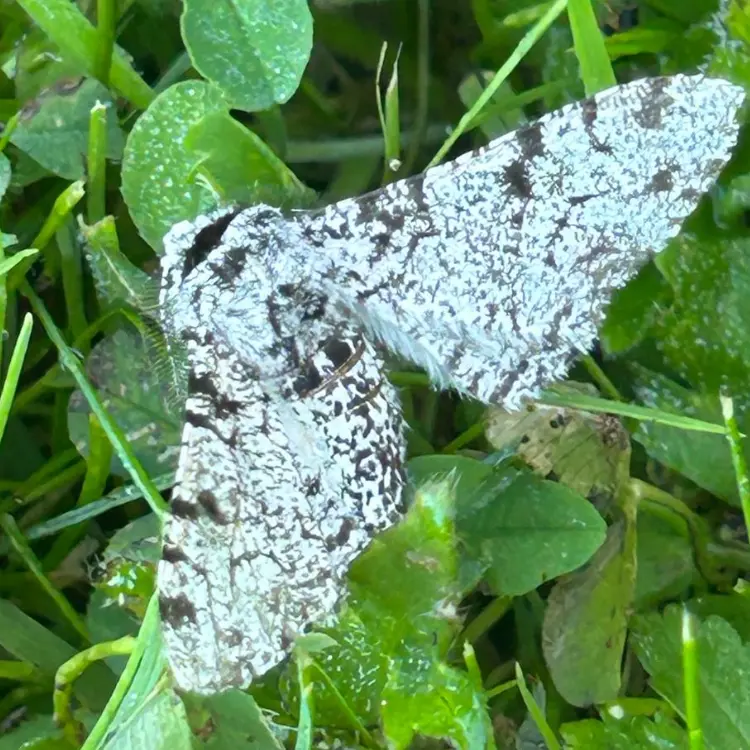
Peppered moth
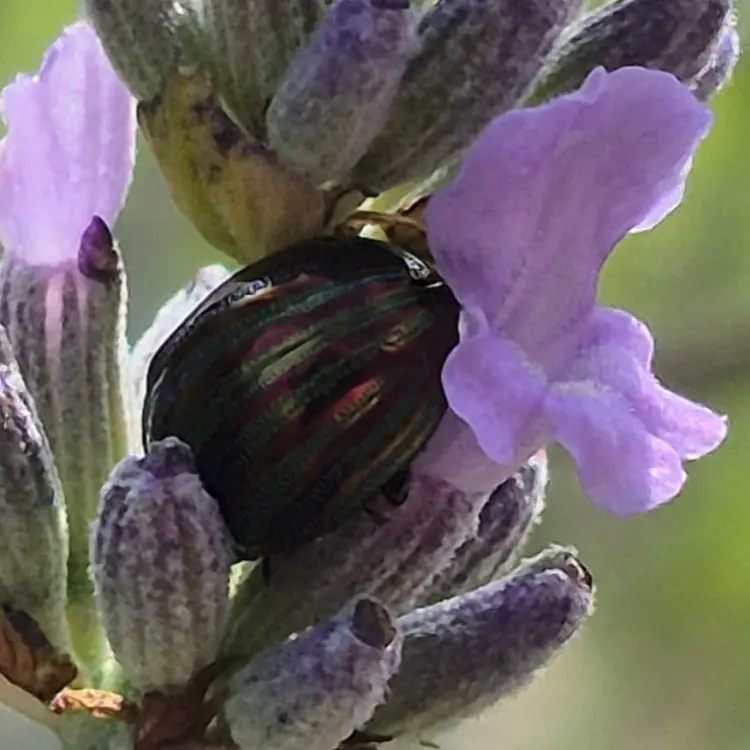
Rosemary beetle on lavender
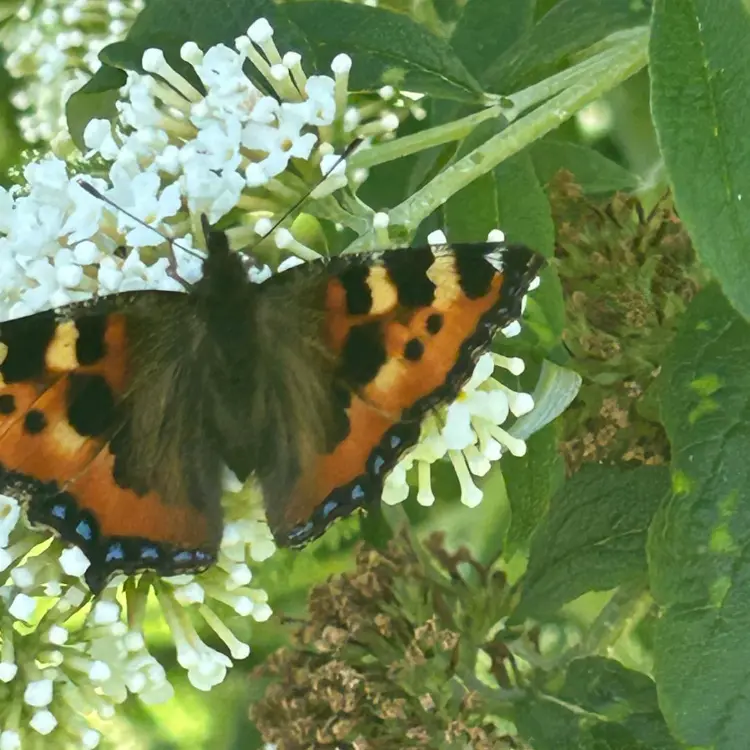
Small Tortoiseshell Butterfly
The Peppered is the moth you may have met in high school biology lessons. It has two forms: a white-bodied and a black-bodied form. In industrial towns in the nineteenth and early twentieth centuries, soot from coal coated buildings and trees, making it easy for birds to pick off the white-bodied forms, leaving the black-bodied forms to breed and form colonies which in time may have become a separate species. Today these towns are no longer cloaked in soot, so the white-bodied forms can camouflage themselves again. Since this moth was found at our patch of the planet, which is near a town that was once a centre of the Industrial Revolution, it is particularly pleasing to see its return.
I am sure once you start photographing insects you will want to know more, so have a look at the websites of the Royal Entomological Society of London. Other countries have entomological societies too, and also check out Bug Life.