
Making an Impression: A Simple Introduction to Nature
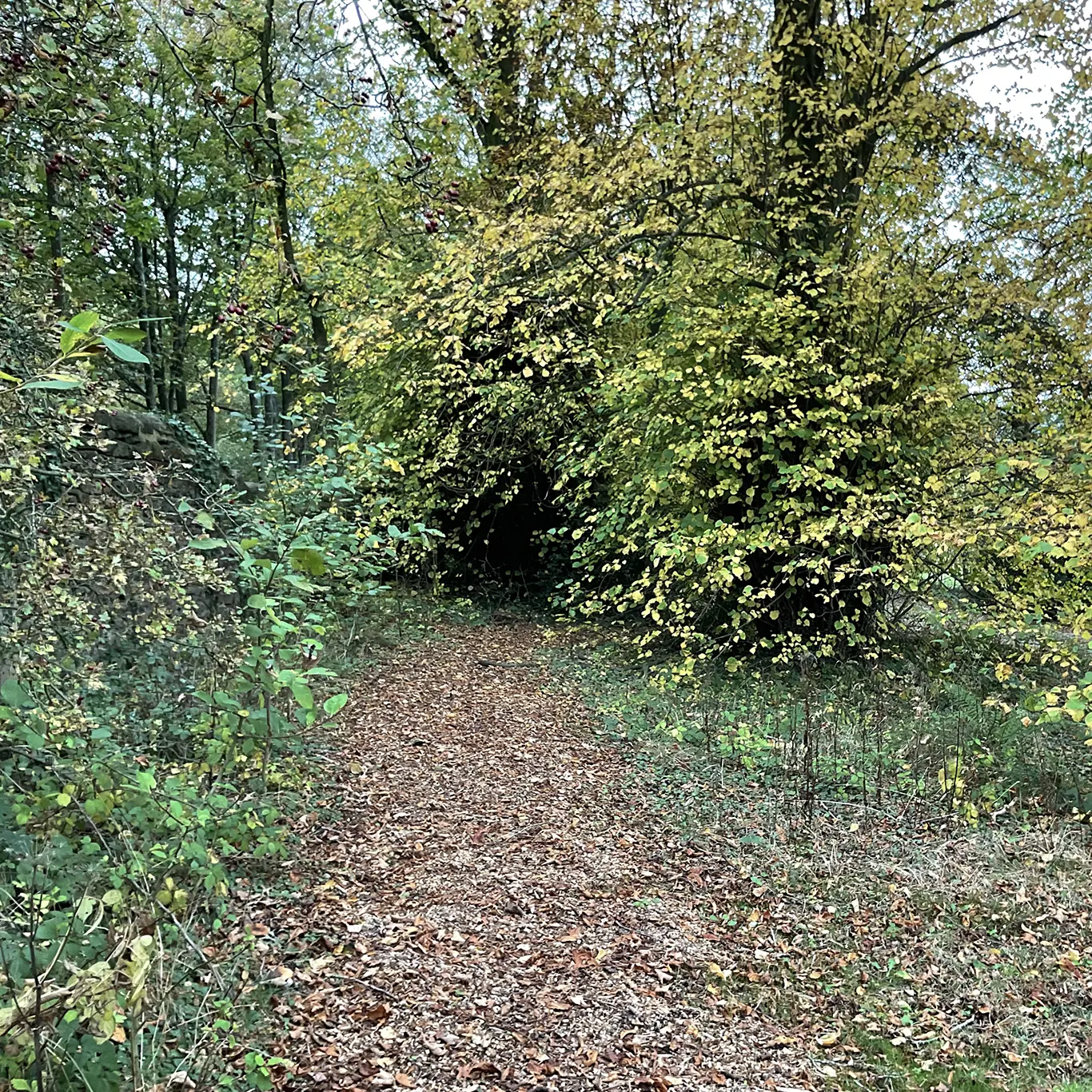
What were your first memories of nature when you were a child?
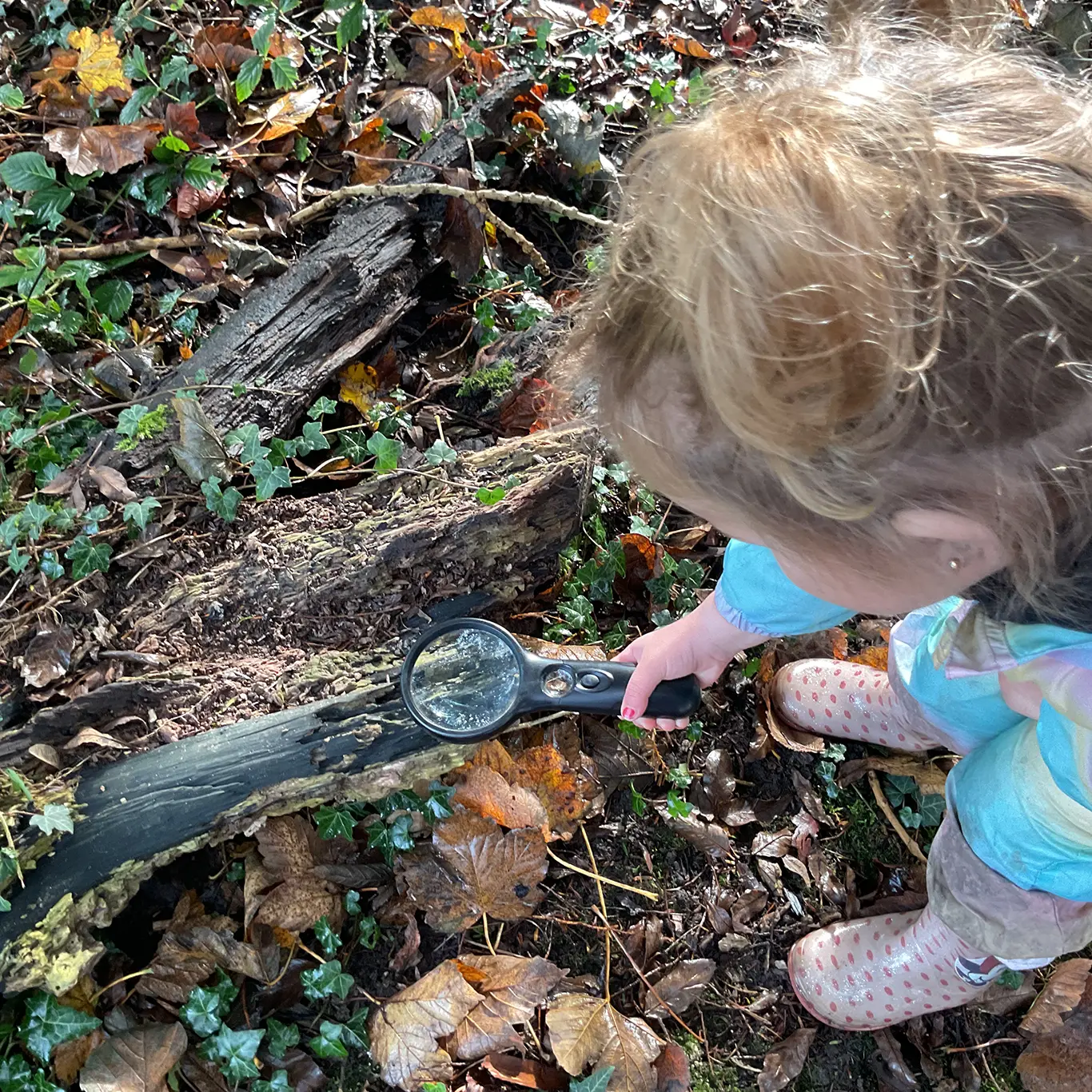
If you’ve been following my blogs, you’ll know that my granddaughter Brea will probably remember the power of a magnifying glass.
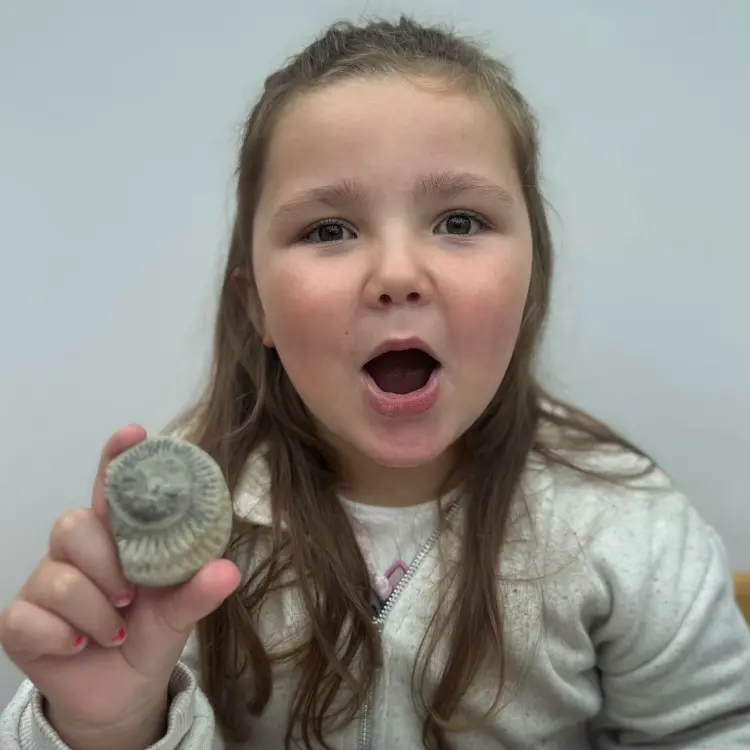
And Hattie will remember the day she discovered an ammonite!
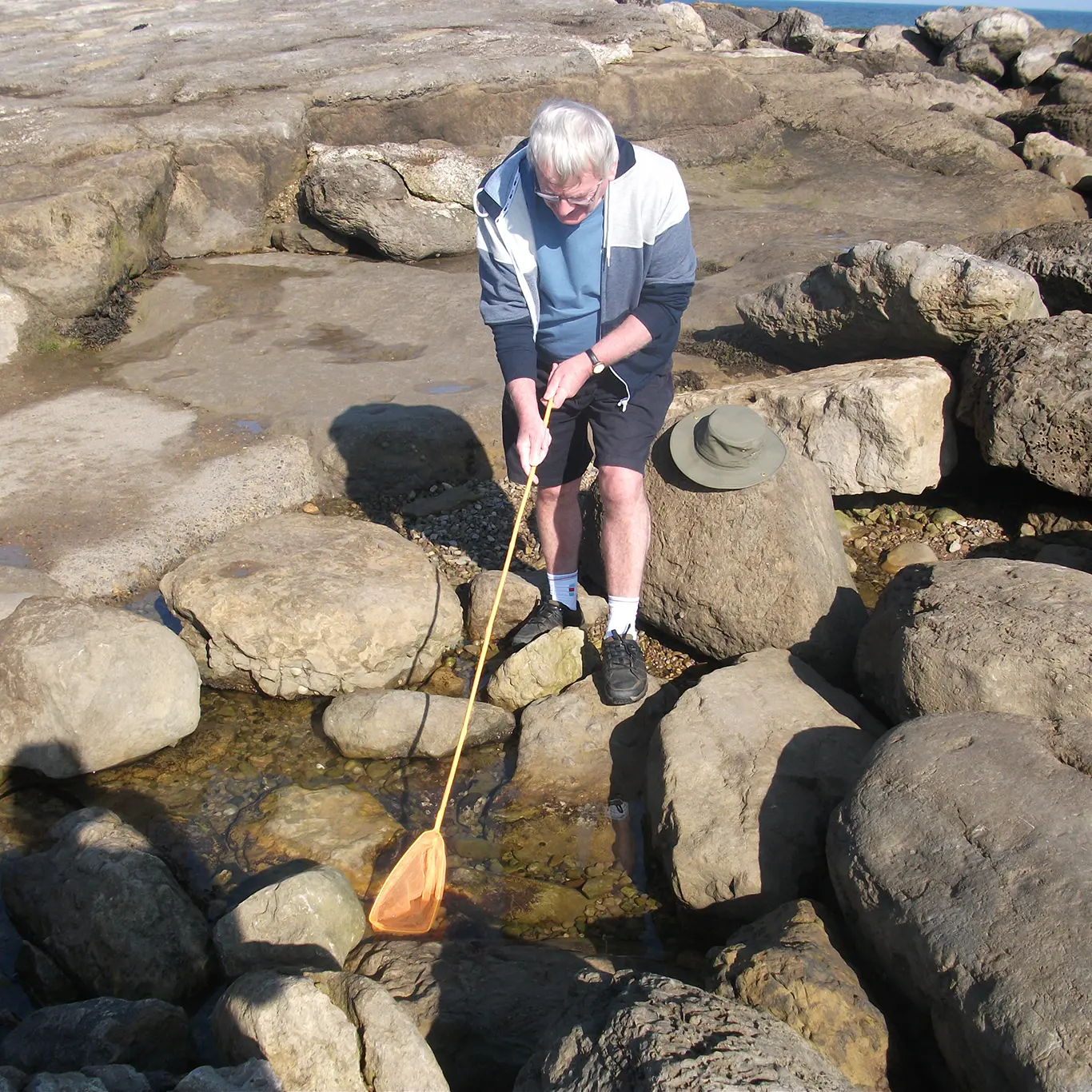
Mine was rock pooling—something I still find absolutely fascinating today, decades later.
We all experience these moments of awe and wonder as children. But somewhere along the journey through adolescence and into adulthood, these vivid memories fade. Then, when we have children of our own and watch them crouched over a snail or gently poking a woodlouse, something stirs. Those memories return—often accompanied by a niggling fear: What if my child asks me what it is and I don’t know?
Learning to See Before Learning to Name
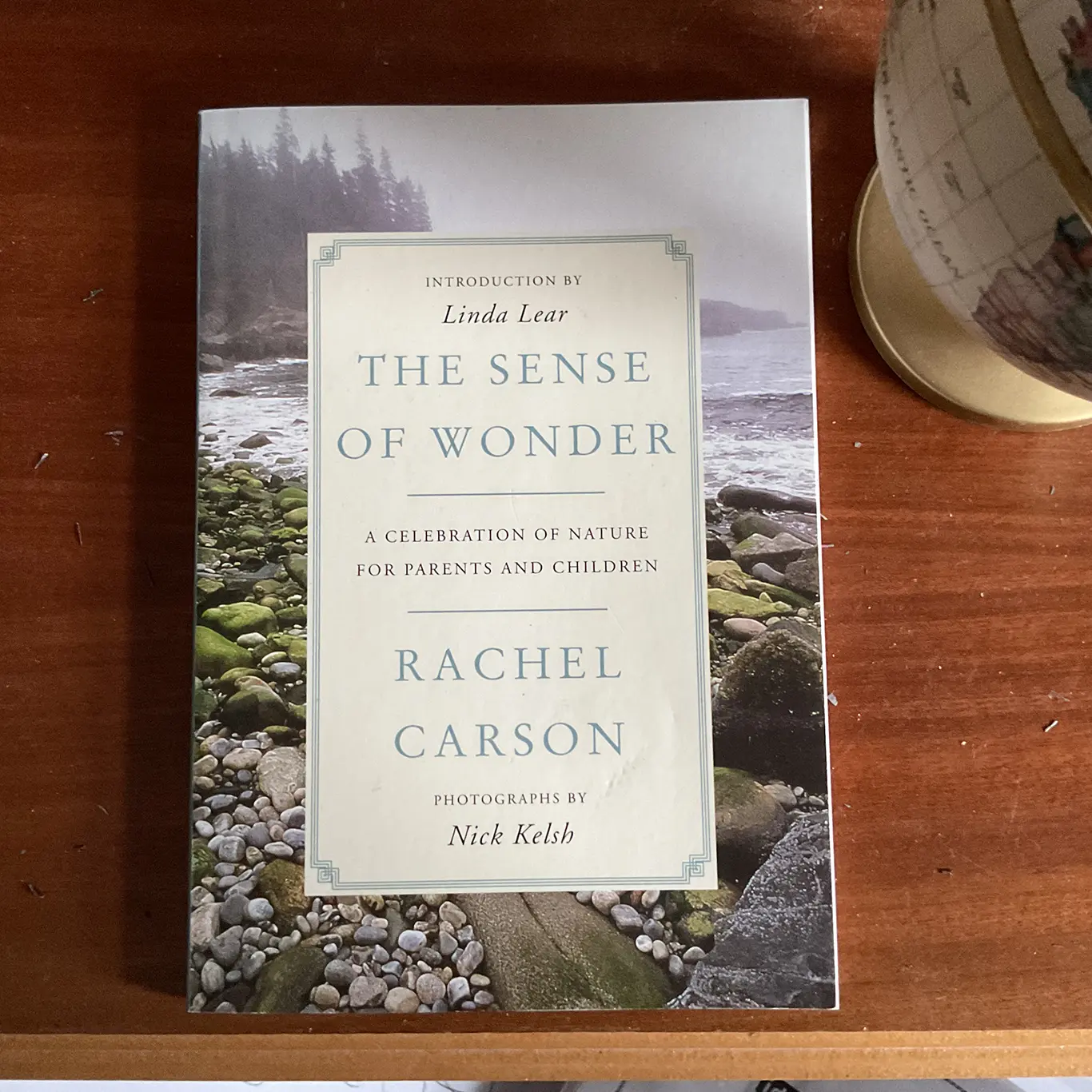
On my shelf sits a slim volume that has guided my approach to nature education for years: A Sense of Wonder by Rachel Carson.
Carson suggests something wonderfully liberating for parents and educators: when introducing small children like Brea and Hattie to nature, we needn’t overemphasise learning names straight away. Instead, think about what actually attracts your child to an animal or plant in the first place.
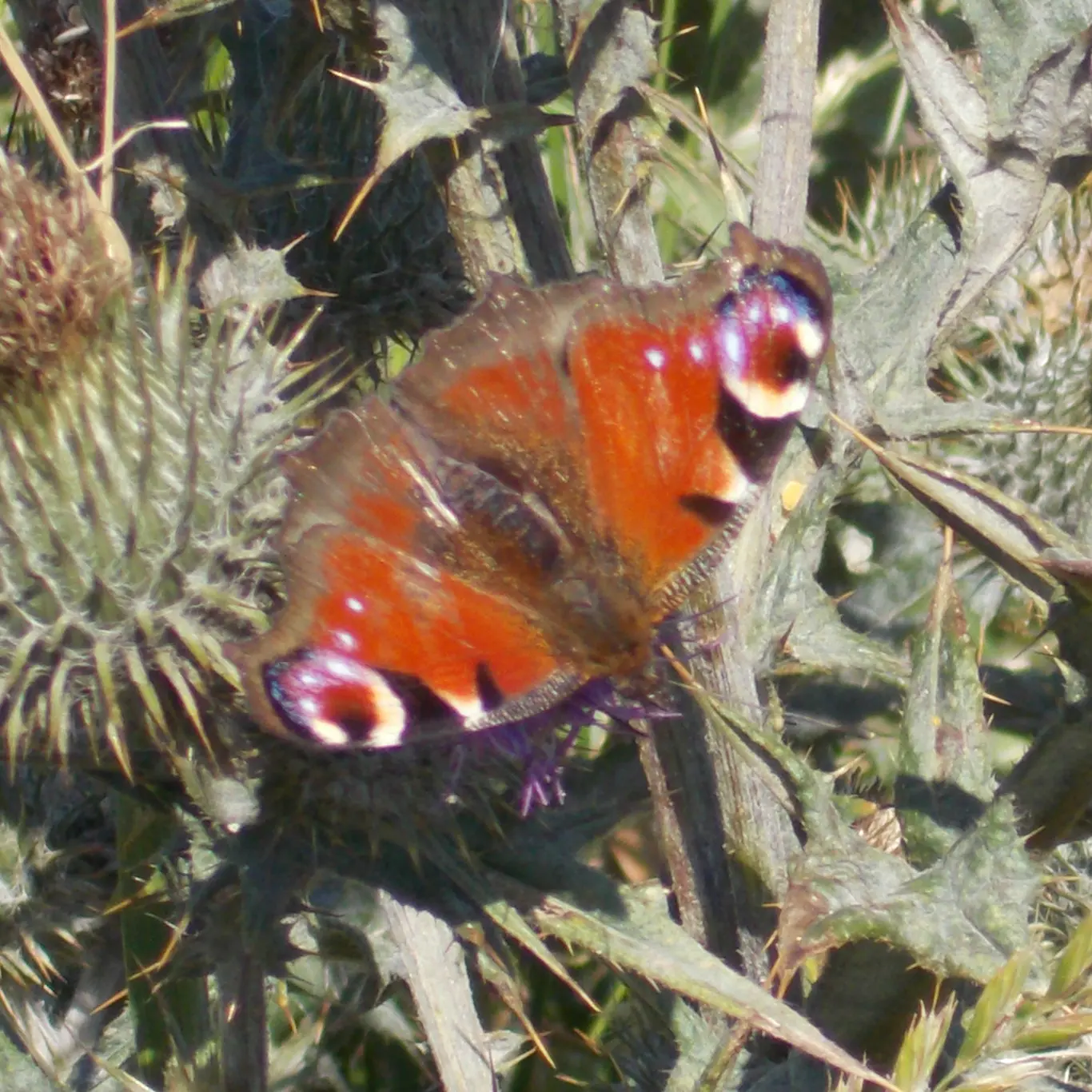
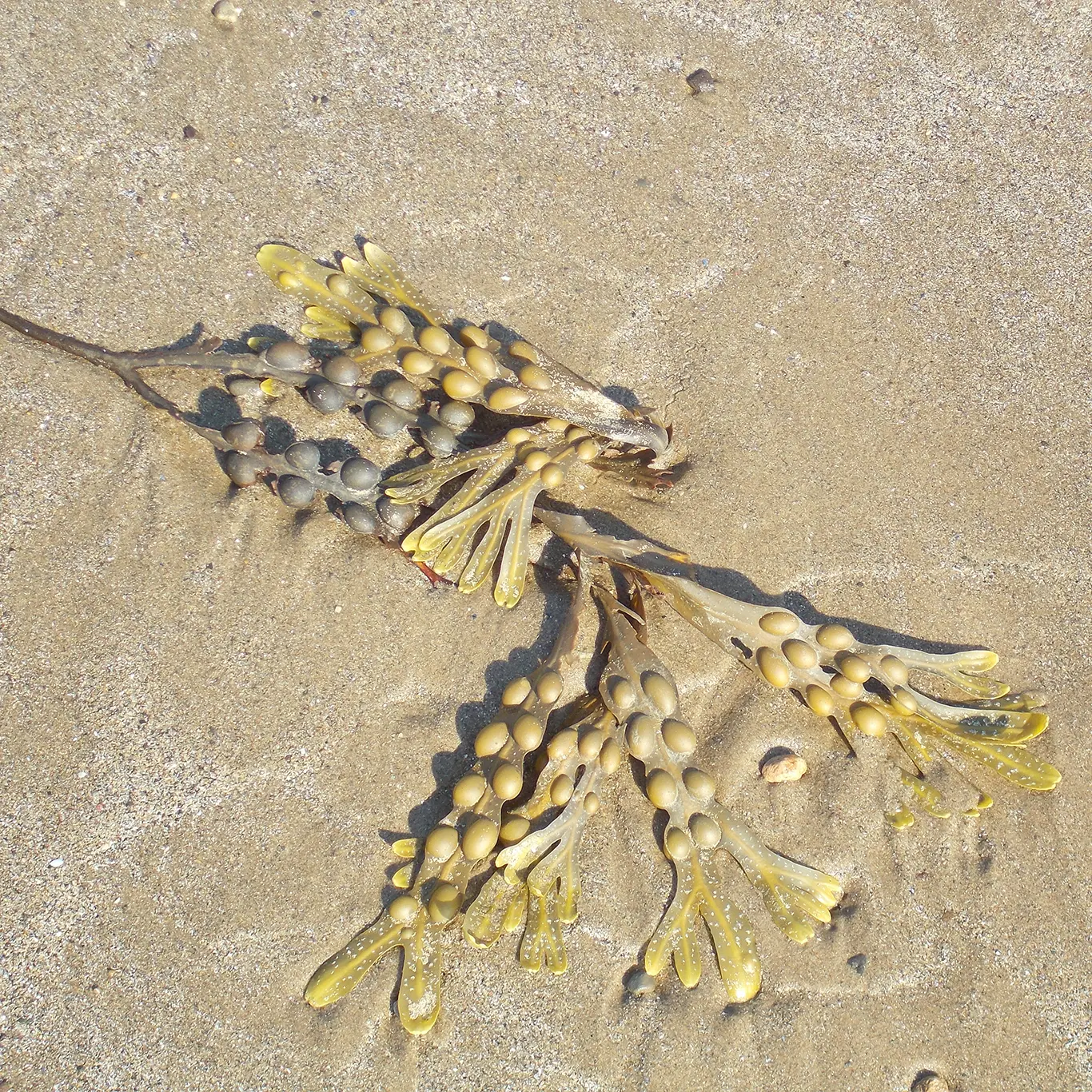
It’s rarely a burning desire to know its Latin classification. More often, it’s a feature that sparks genuine curiosity—something that generates awe, wonder, or even a simple sense of beauty. The iridescent shimmer on a beetle’s back. The delicate pattern on a butterfly’s wing. The surprising stickiness of seaweed.
Drawing Out Natural Curiosity
Through my years working with primary-aged children, I’ve found it enormously useful to ask open-ended questions that draw out a child’s thoughts. “What do you notice about it? Why do you think you stopped to look at this?” These simple prompts help reinforce the memory and, crucially, validate the child’s natural curiosity.
Then—and only then—you might move on to a simple, general identification that ties directly to what the child has observed.
A Little Exercise in Wonder
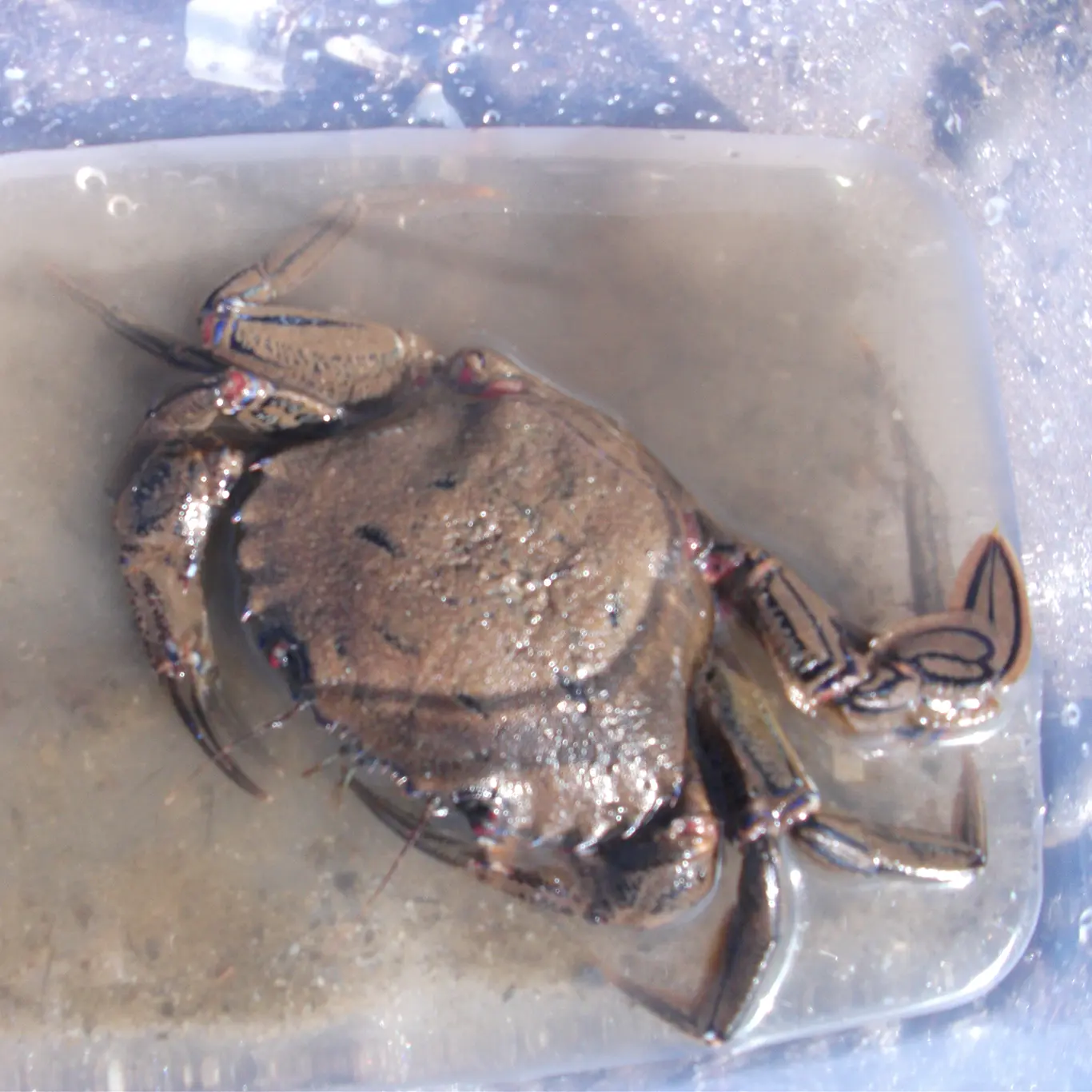
Here are some images I’ve captured during my own nature explorations. Before scrolling down to the identifications, take a moment with your child. What draws their eye? What questions do they ask? What do they feel when looking at each one?
The Simplest of Identifications
Here’s what we’re looking at – nothing complicated, nothing intimidating:
Notice how general these identifications are? That’s entirely intentional. We’re building connections first, not creating junior taxonomists. Those details can come later, if and when your child’s interest deepens.
Picture 8
Picture 9
Picture 6
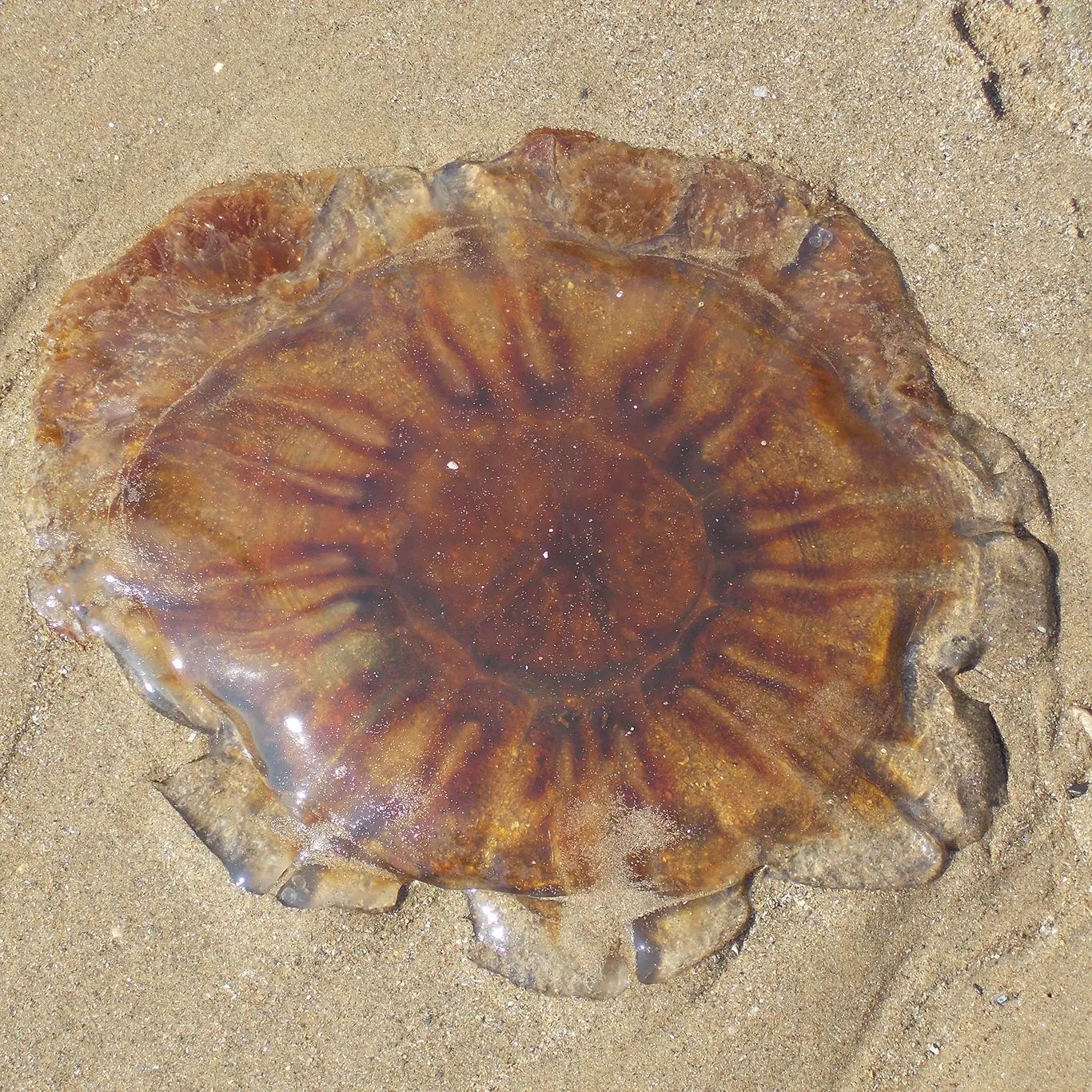
Picture 7
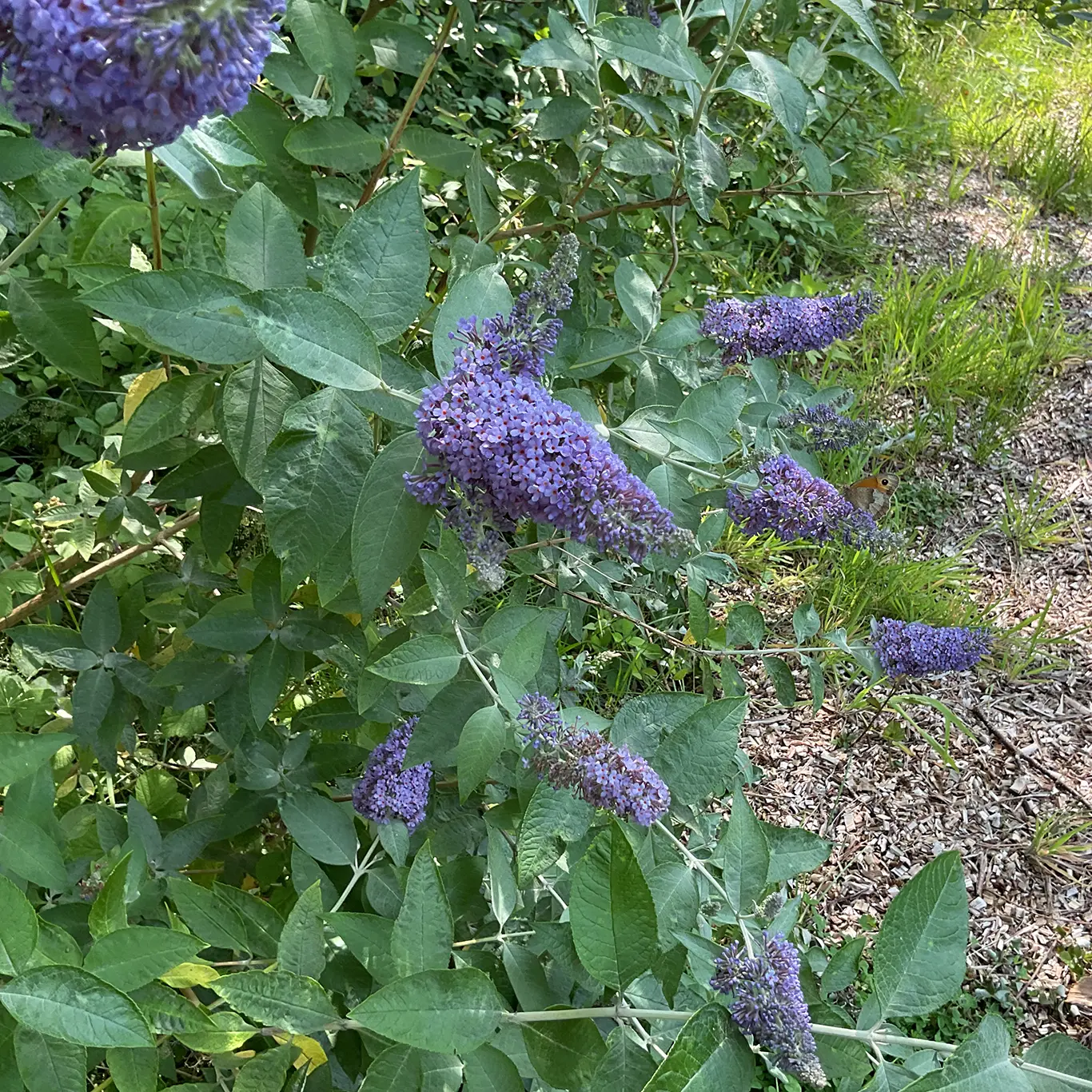
Picture 10
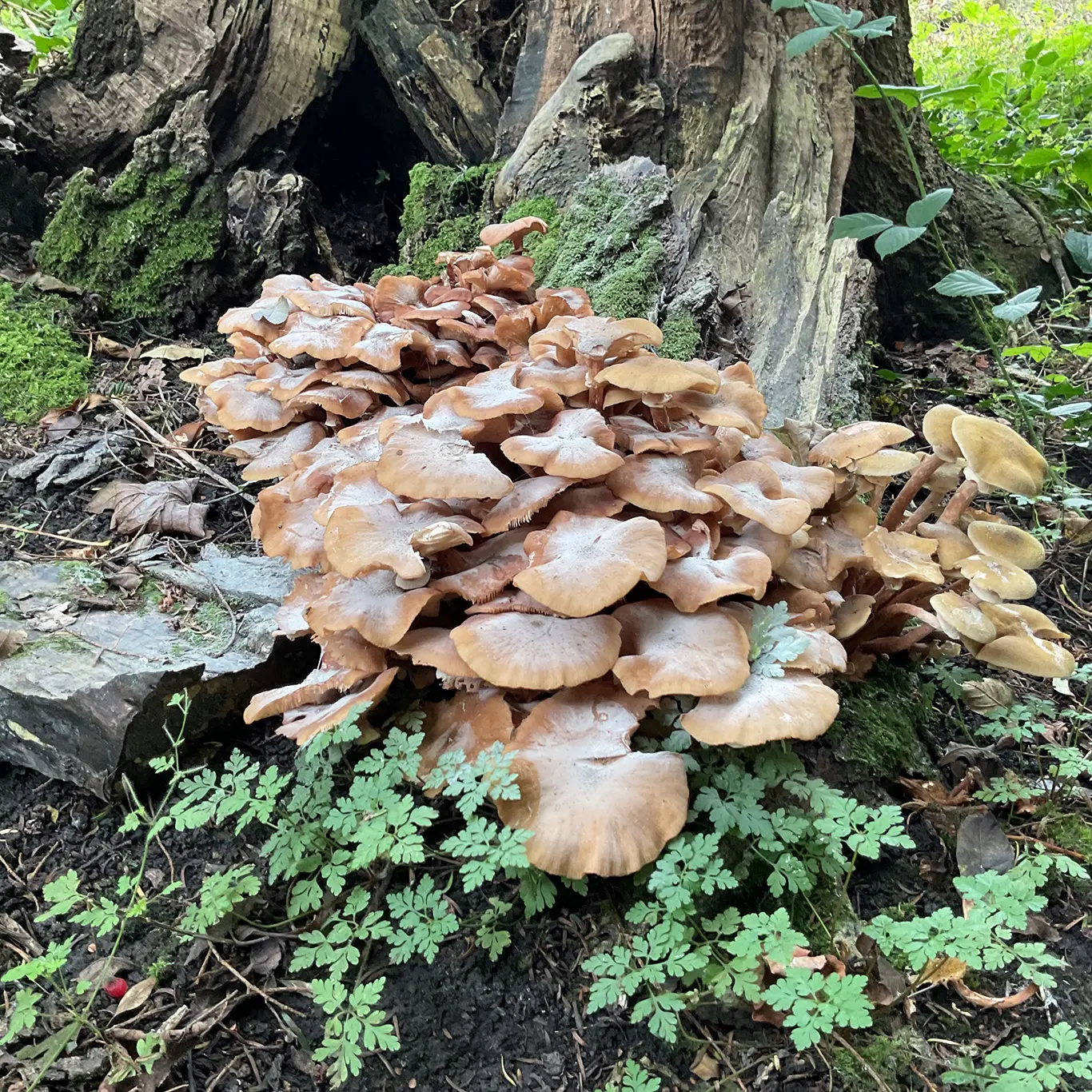
Picture 11
Making Memories That Last
In an age when children spend increasing amounts of time indoors and many adults have become disconnected from the natural world, these small moments matter enormously. They’re the building blocks of environmental awareness, the foundation of scientific curiosity, and—perhaps most importantly—the seeds of memories that will last a lifetime.
Just as I still feel that childhood thrill when I spot a promising rock pool, your child’s encounter with today’s woodlouse or tomorrow’s butterfly might become the memory that brings them back to nature years from now.
So the next time your child stops to stare at something in the garden or on a walk, resist the urge to immediately pull out your phone to identify it. Instead, crouch down beside them. Ask them what they see. Share their wonder. The name can wait.
