The Patch on the Planet is an item in the Archives and features videos of my patch, each with a downloadable “Stop and Chat” sheet where you can find out more about what you are looking at without me breaking into the music. The purpose of this item is to help people engage or reengage with nature simply as a relaxing exercise or to find out more about what is going on in the biosphere of our planet.
These occasional blogs are presented rather in the form of a nature diary in the tradition of the Eighteenth Century naturalist Gilbert White (see link below). They are really reports of what I saw and heard while sitting on the edge of the wood or walking around the whole patch during an hour’s visit.
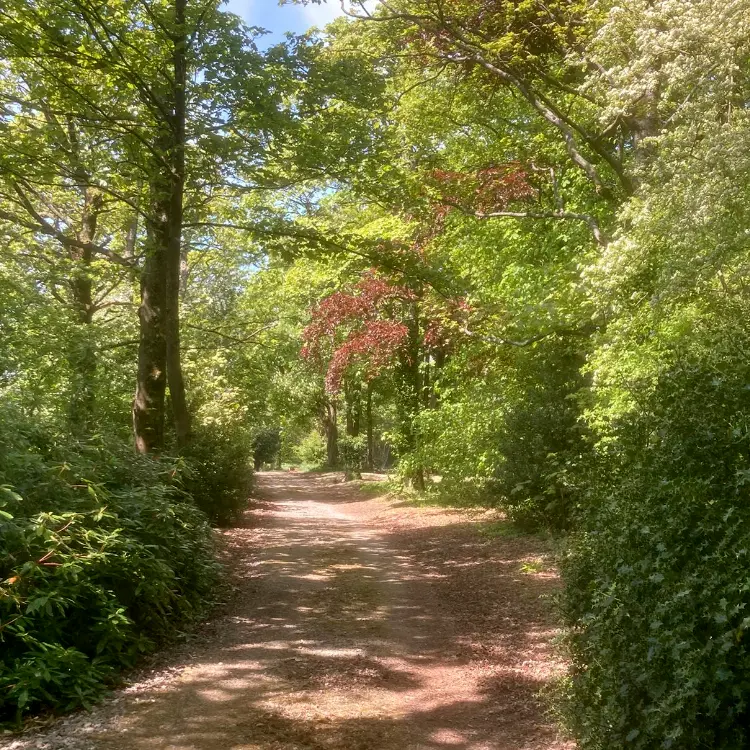
My visit was a couple of weeks after we made the second video in April. Most of the trees are in leaf like the copper beech you can see here, and horse chestnut trees and hawthorn bushes are heavy with flowers. Sycamore leaves are coated in honeydew. This is produced by the battalions of aphids clinging to the underside of the leaves where they form food for a variety of small birds.
The daffodil flowers which were in full bloom in April have died away and have been replaced by bluebells, wild garlic, buttercups and dandelions.
I spent a while sitting on the edge of the wood looking out across a grassland we call the paddock and watched the wood pigeons, carrion crows and magpies come and go. The trees were alive with bird sounds. I could identify some of the birds such as wren, robin, blackbird, chaffinch, willow warbler, chiffchaff and woodpecker but referred to my bird app to identify bullfinch and blackcap.
As I walked around, a grey squirrel vaulted up a sycamore and a small mammal, mouse or vole, scuttled through the grass by my feet. Just two kinds of butterflies fluttered over the long grass today – small white and buff tip – but earlier in the week I had seen another – a speckled wood.
You may already have one of these. It may be a place in the countryside or park that you visit regularly to perhaps walk the dog or take a mind-clearing stroll. It could even be a garden. Walking or sitting quietly in your patch can reveal many plants and animals (the patch’s biodiversity) and you may even become as relaxed as I was.
Look for Patch On The Planet in the Archive of Science Education by clicking here
Also find out more about Gilbert White who has inspired countless naturalists and scientists over the last two hundred years at
https://gilbertwhiteshouse.org.uk/