

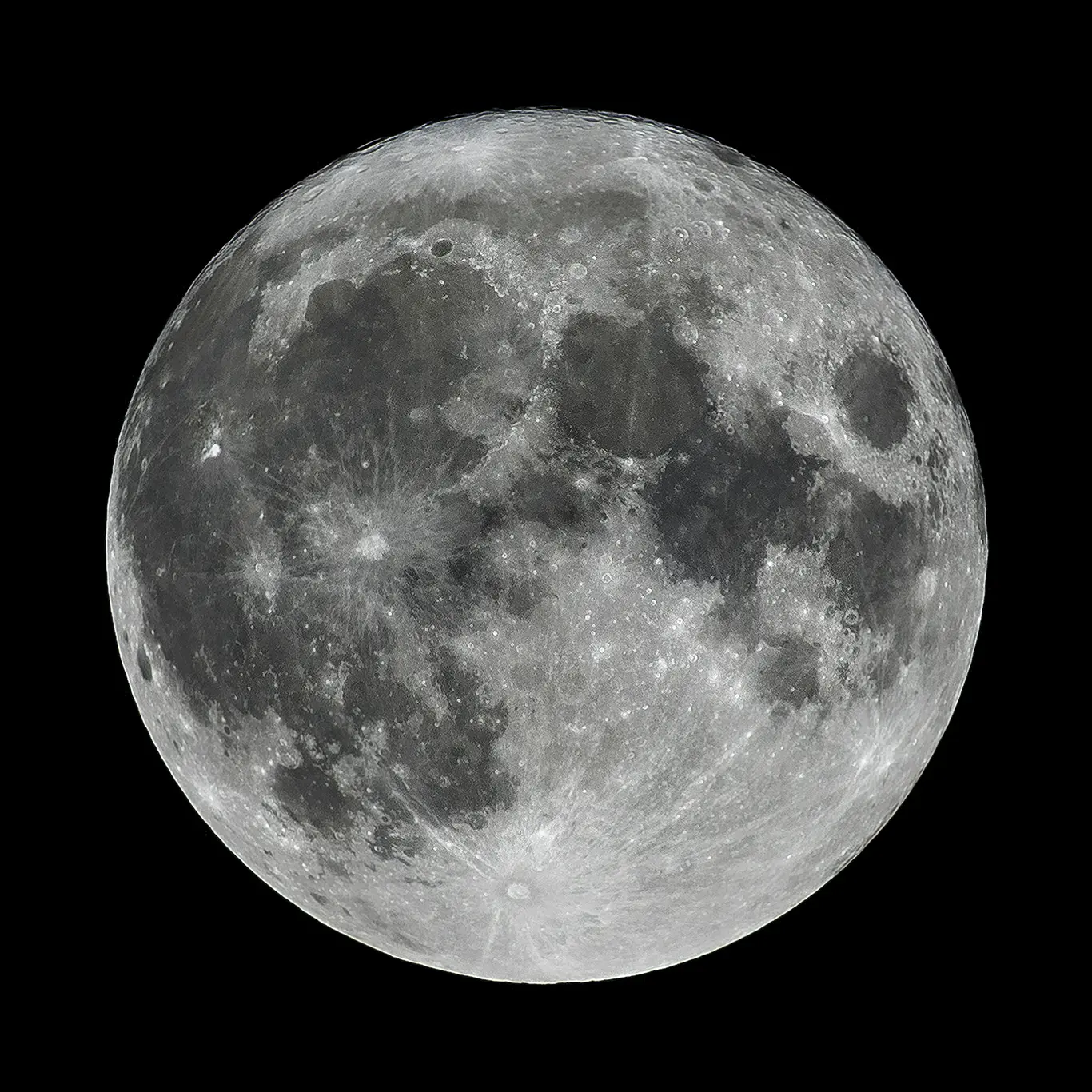
The Moon appears as the largest object in the night sky.
If you look at it over a few nights, it appears to change its shape. What really happens is that the amount of light shining on its face changes as the Moon moves steadily around the Earth in its orbit. The light comes from the Sun, and the Moon reflects it towards us here on the ground.
I made a simple model to show Hattie and Brea how this happens, using a white onion (the Moon) and a torch (the Sun).
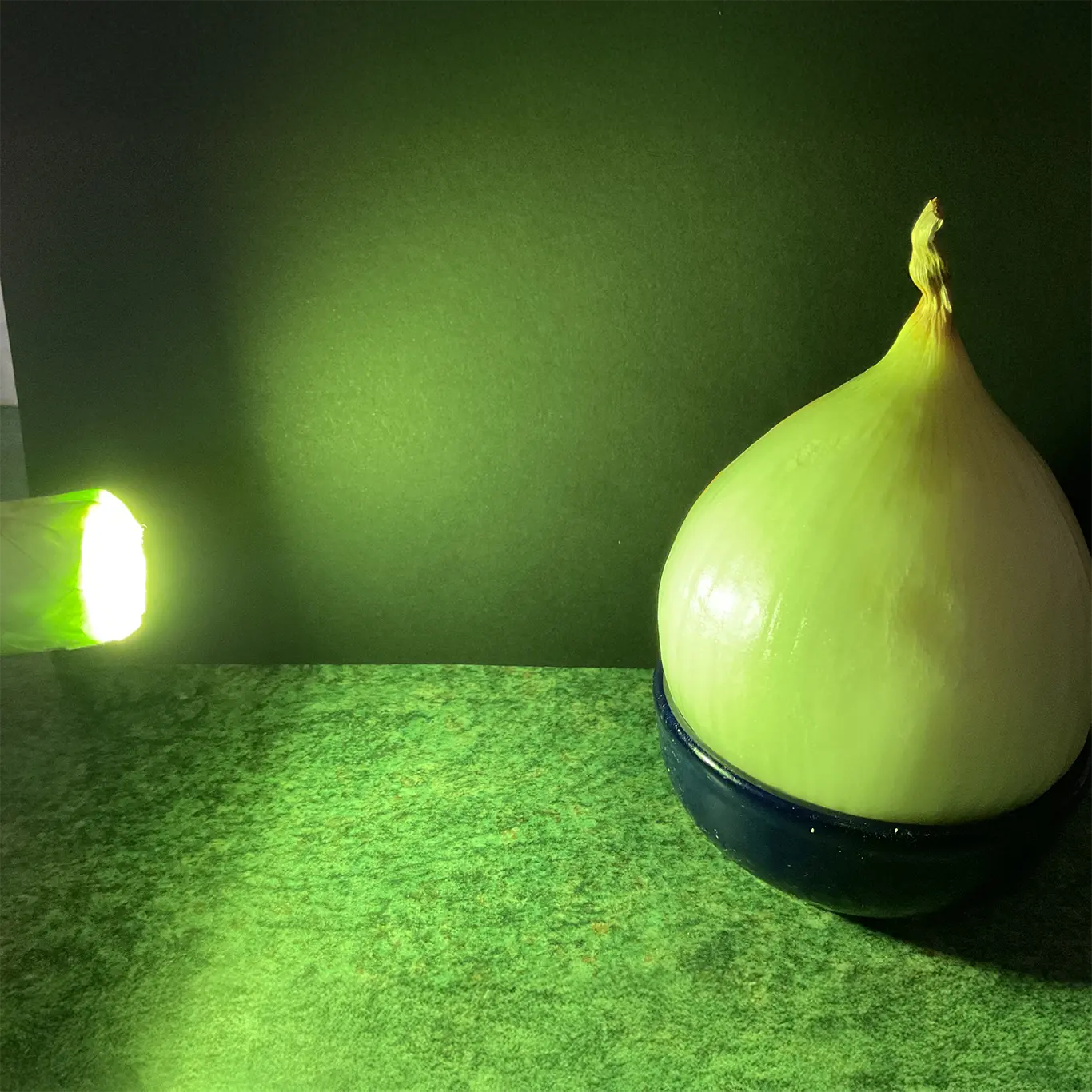
Picture 1
Here, the light from the torch lights just one side of the onion, and the other side is in shadow. The shape of the surface of the Moon that is lit up is called the phase. In the model, the phase of the onion is all the left side.
As the Moon moves around the Earth, the Sun shines on different parts of its surface, and this causes the Moon to have different phases. I used the model to show this as follows.
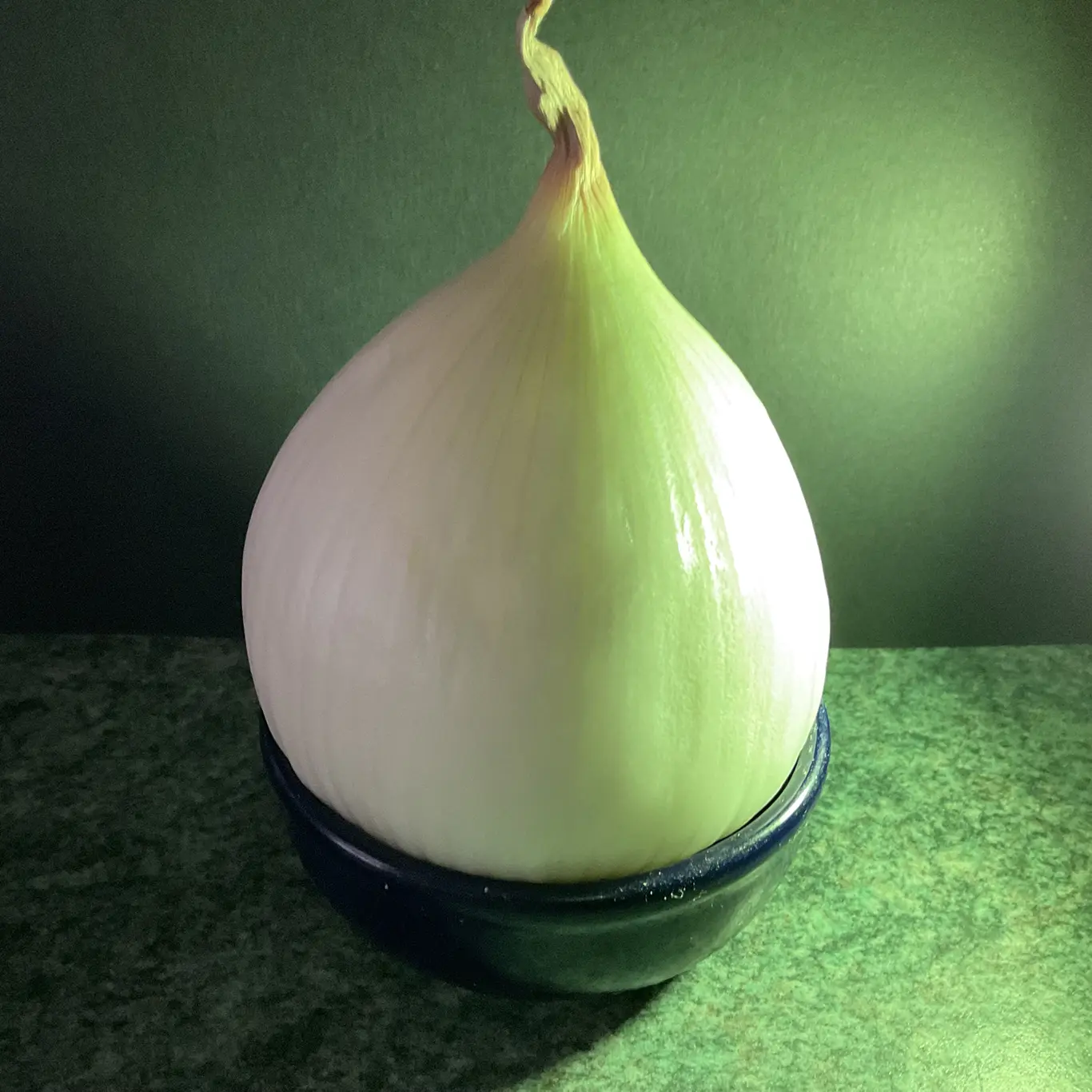
Picture 2
When the torch (Sun) is on the right, there is a small area of the onion (Moon) that is lit up.
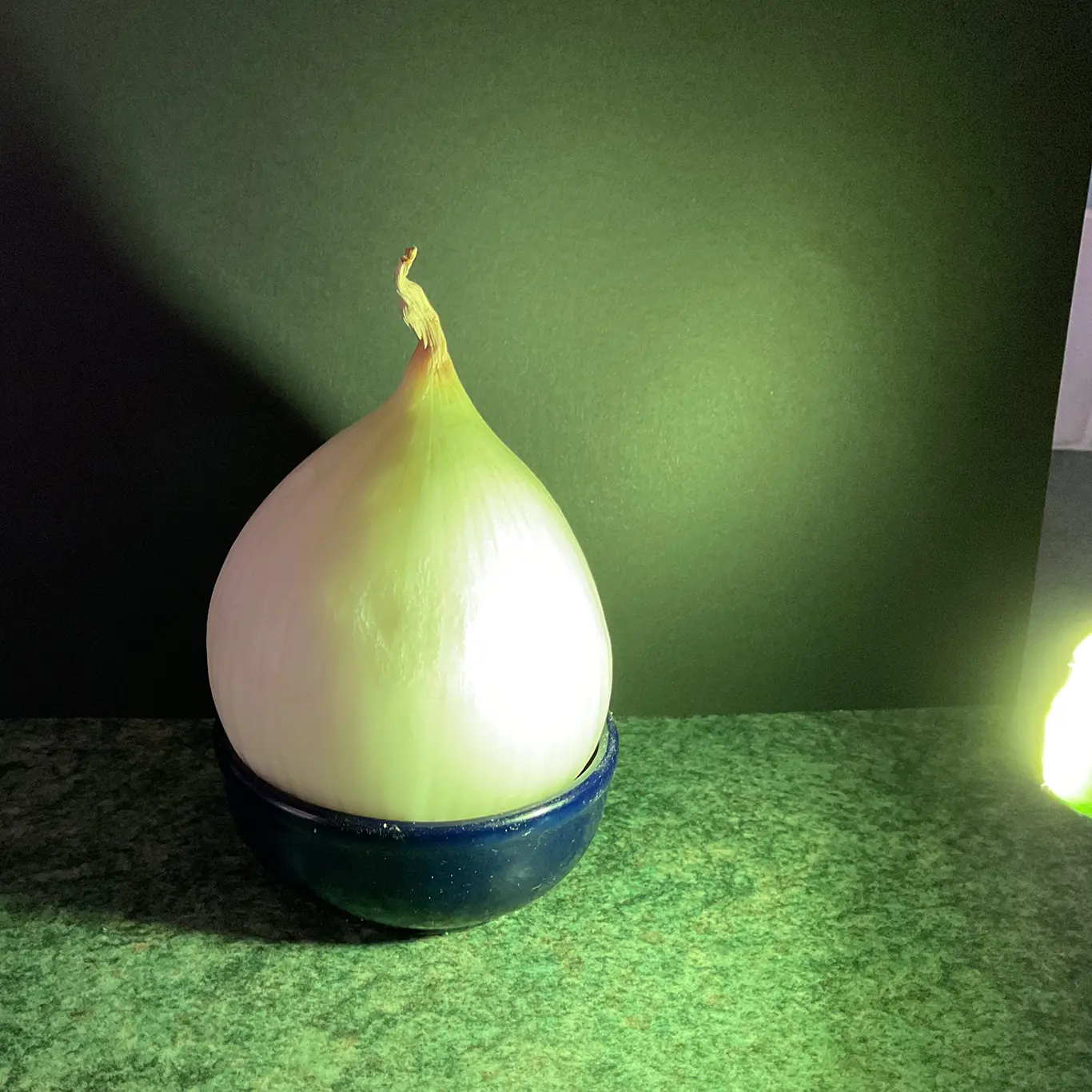
Picture 3
When the torch (Sun) shines from a slightly different direction, a larger area of the onion (Moon) is lit up.
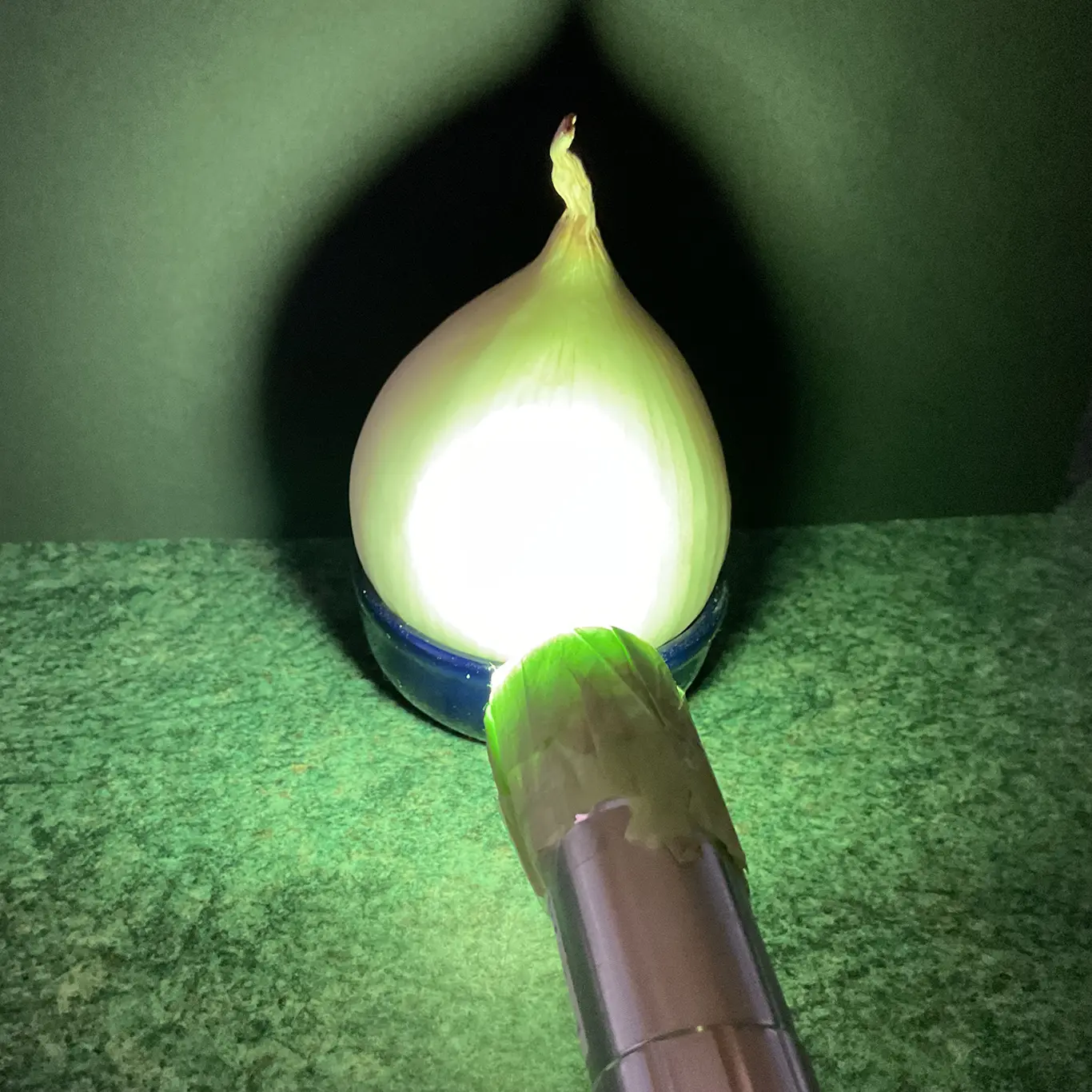
Picture 4
When the torch (Sun) shines directly onto the onion (Moon), the whole surface is lit up. If you look quickly from Picture 2 to Picture 4, you can see how the phases of the onion (Moon) change.
The girls explored light and shadow with their torches and the onion. I then showed them how this links to how the real Moon appears to change.
Out in space, this change on the Moon’s surface occurs much more slowly. It takes a month to make a complete sequence of changes.
I challenged the girls to find out more about how the Moon changes using this simple chart.
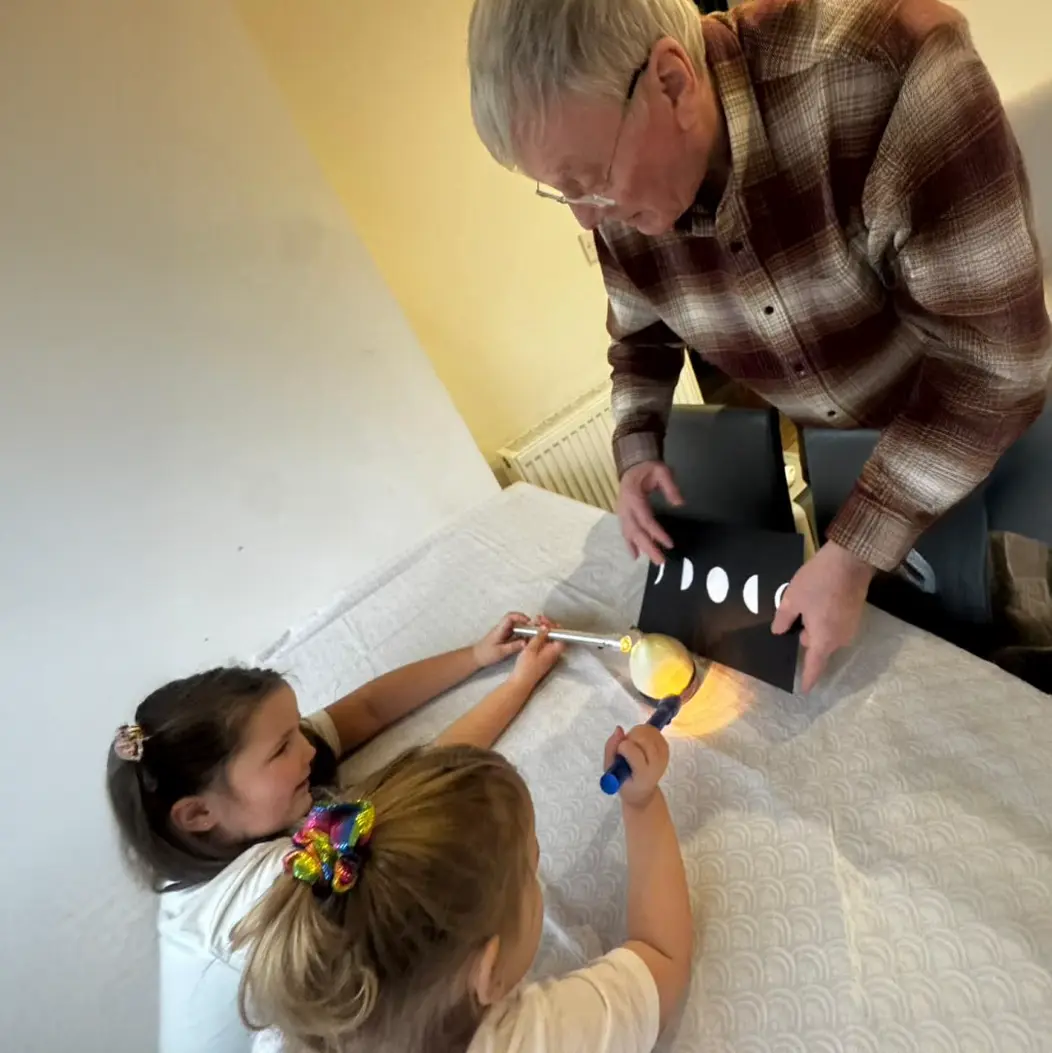
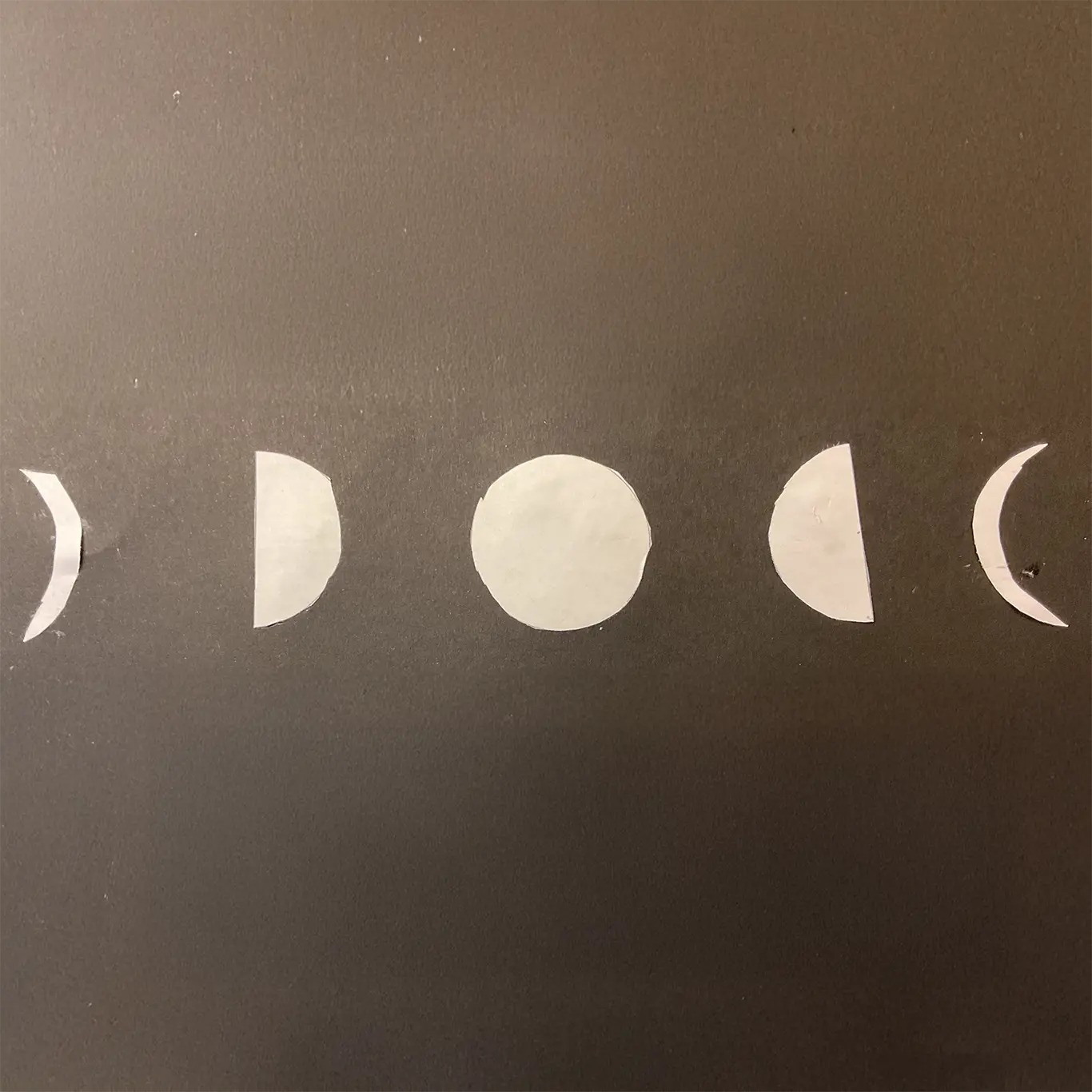
Each clear night, they will look at the Moon and draw it. As they build up a record of the phases, they will find out the pattern of the phase changes.
To find out more about the phases of the Moon, go to:
https://spaceplace.nasa.gov/moon-phases/en/
