
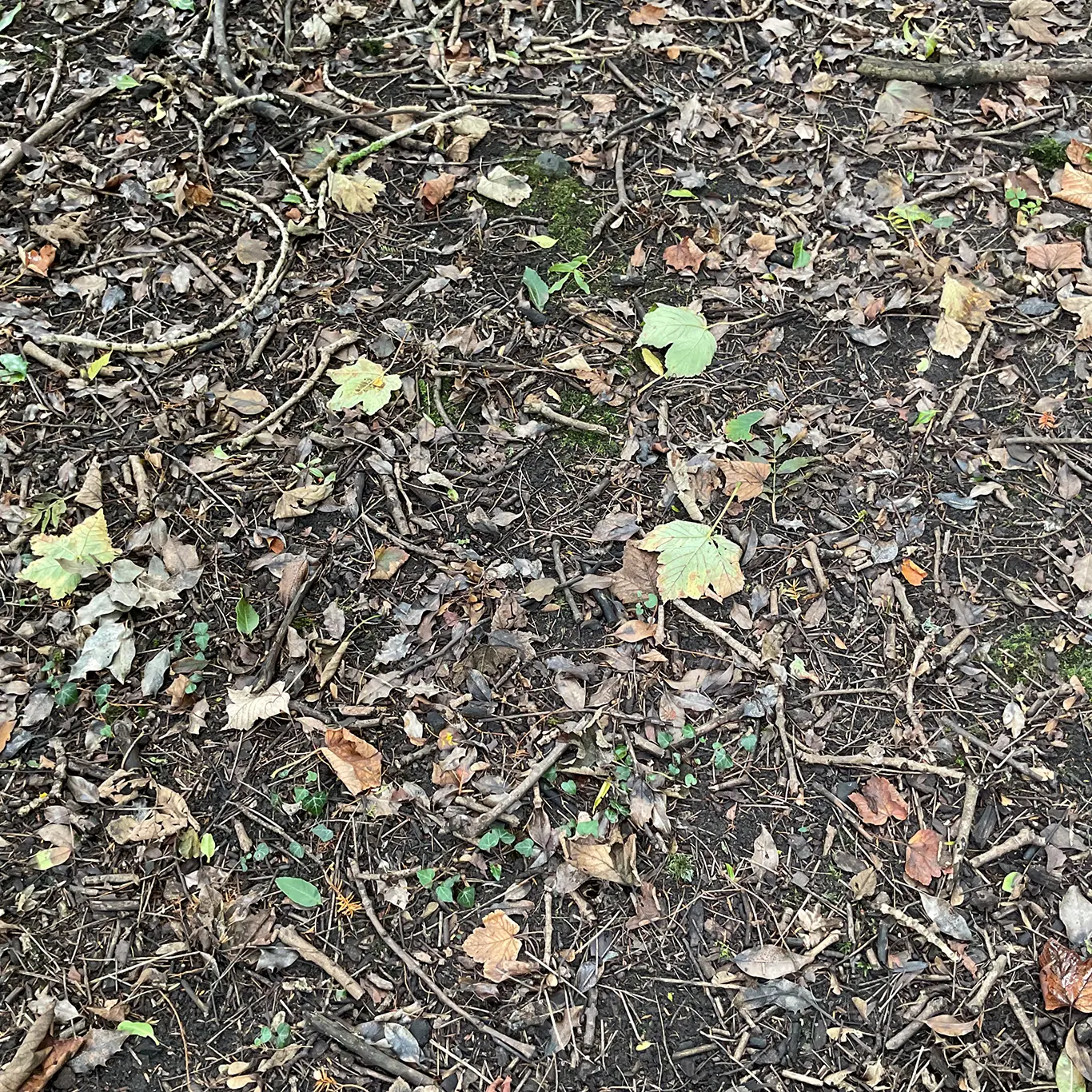
Are you noticing more leaves carpeting your local paths? Here in my woodland classroom, I’m watching nature’s annual transformation unfold—fresh autumn leaves joining last year’s decomposing carpet beneath our feet.
This seasonal shift offers us a perfect teaching moment. As an educator with many years of experience helping children connect with natural science, I’ve found that autumn’s arrival sparks some of the most genuine curiosity in young minds.
Reading Nature’s Seasonal Signals
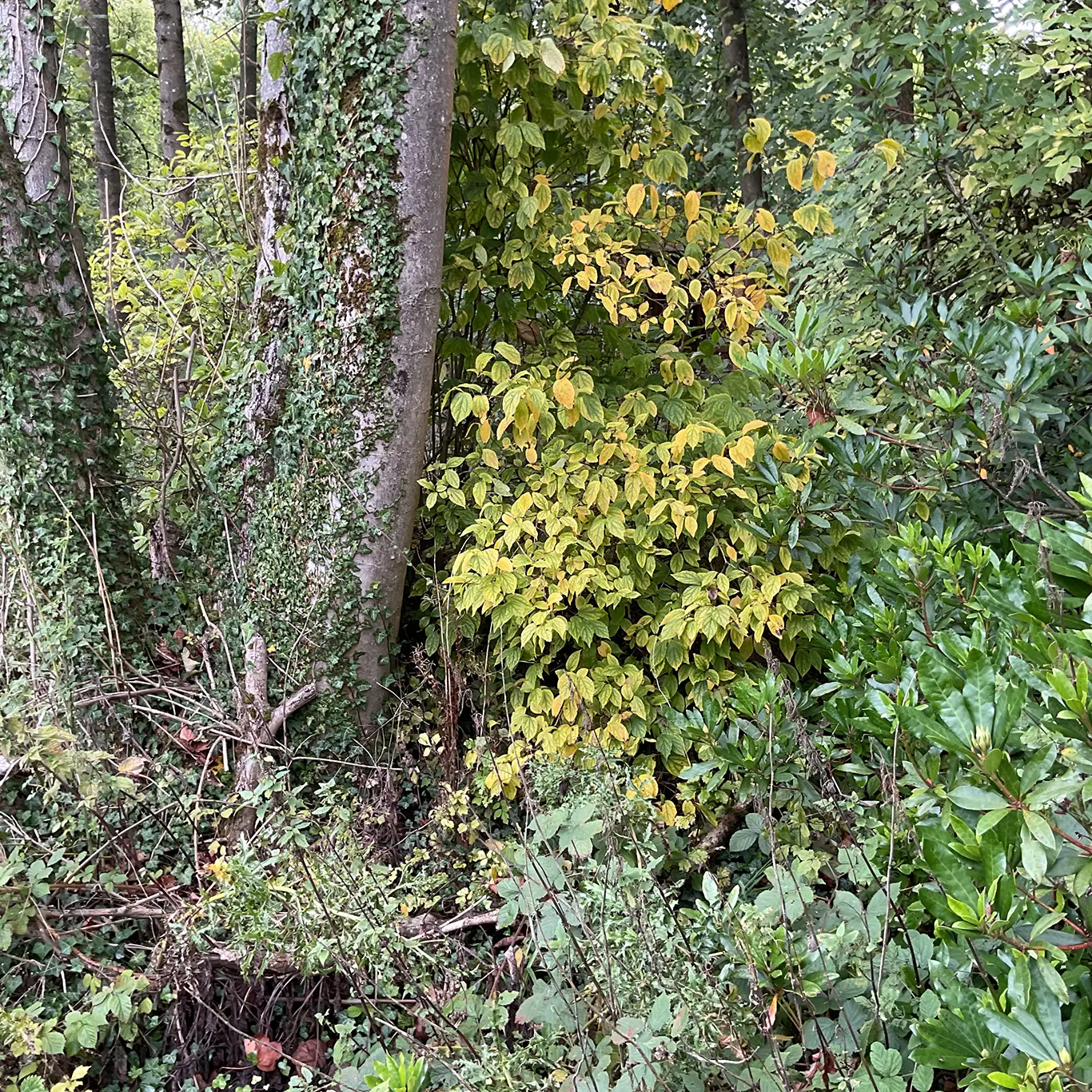
In the shrub layer of our local wood, leaves are beginning their spectacular colour transformation—a process that never fails to captivate both children and adults.
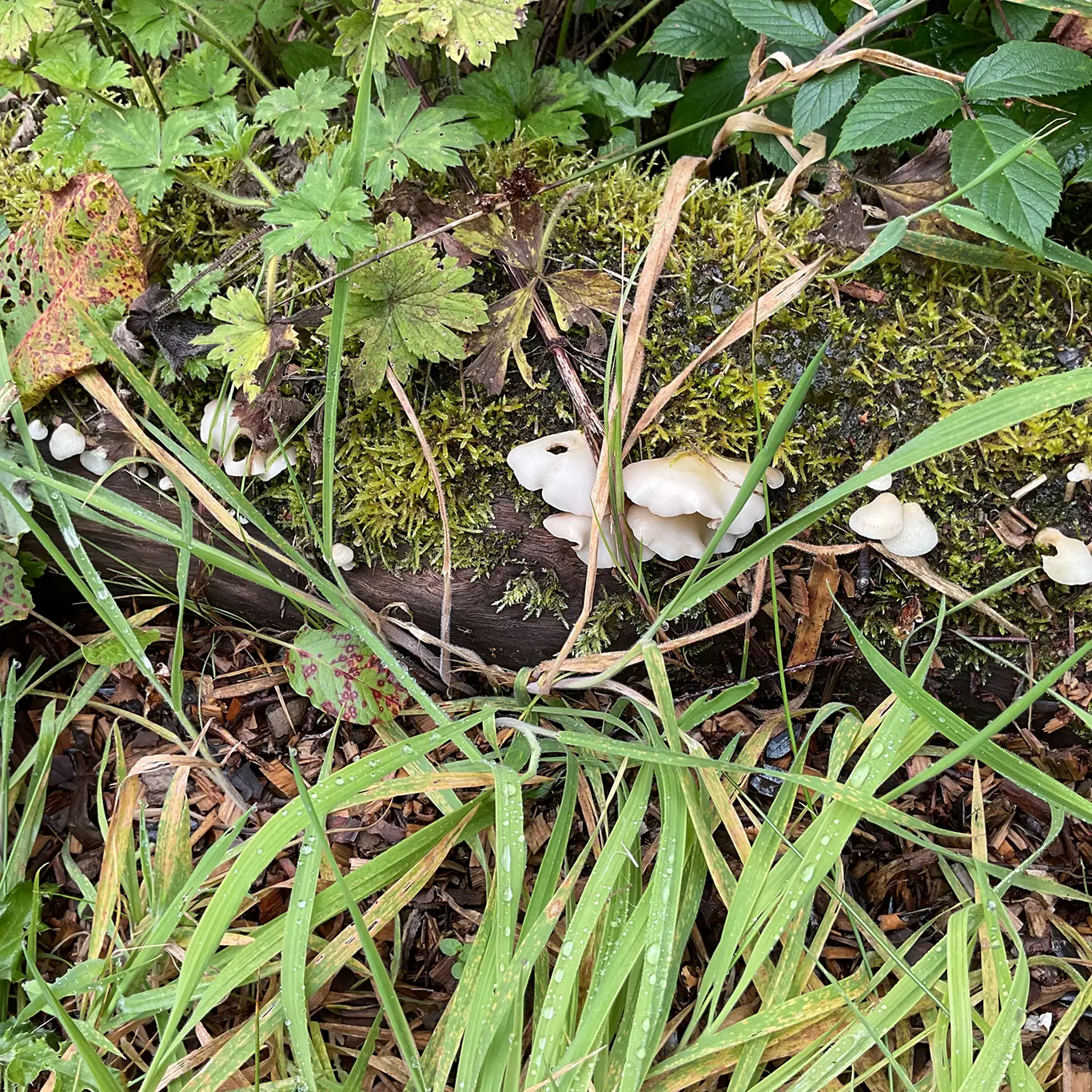
Meanwhile, the season’s first real rains have coaxed fungi from their hidden world beneath logs and soil. These mushrooms and toadstools represent nature’s recycling system in action—breaking down organic matter to nurture new growth.
Addressing Children’s Natural Curiosity
When children ask “Why do seasons change?”—and they will—we have an opportunity to bridge their outdoor observations with fundamental scientific concepts. Rather than simply telling them, we can show them.
This is where hands-on learning becomes invaluable. In my Ways into Science series, I demonstrate seasonal changes using a simple model that transforms abstract concepts into tangible understanding.
The model uses everyday objects: a small Earth globe and a melon representing our Sun. By moving the Earth around the Sun, children can observe how our planet’s tilted axis creates the seasonal patterns they witness in nature.

Practical Teaching Resources
For educators and parents wanting to extend this learning, I’ve developed materials that support meaningful scientific discussions. The free “Stop and Chat” sheet accompanying this lesson helps adults facilitate inquiry-based conversations about seasonal change—moving beyond simple answers to develop children’s scientific thinking skills.
You can access these resources and view the complete demonstration video here.
Connecting Indoor Learning with Outdoor Discovery
This approach addresses what researchers call “nature-deficit disorder”—the growing disconnect between children and the natural world. By starting with outdoor observations and connecting them to scientific explanations, we help children see themselves as part of nature’s ongoing story.
For teachers seeking curriculum-aligned resources and parents exploring homeschool science options, this seasonal study demonstrates how everyday nature observations can become powerful learning experiences.
The magic happens when children realise they can read the signs of seasonal change all around them—from leaf color and fungal emergence to changing daylight patterns and wildlife behavior.
