
As an experienced educator and author of science books for children, I’ve spent years helping young learners develop their natural curiosity. This week, I’m sharing how one child’s fascination with tiny creatures expanded into an exploration of the miniature plant world – a perfect example of how nature study can capture children’s attention and reduce nature-deficit disorder.
When Rock Exploration Leads to Plant Discovery
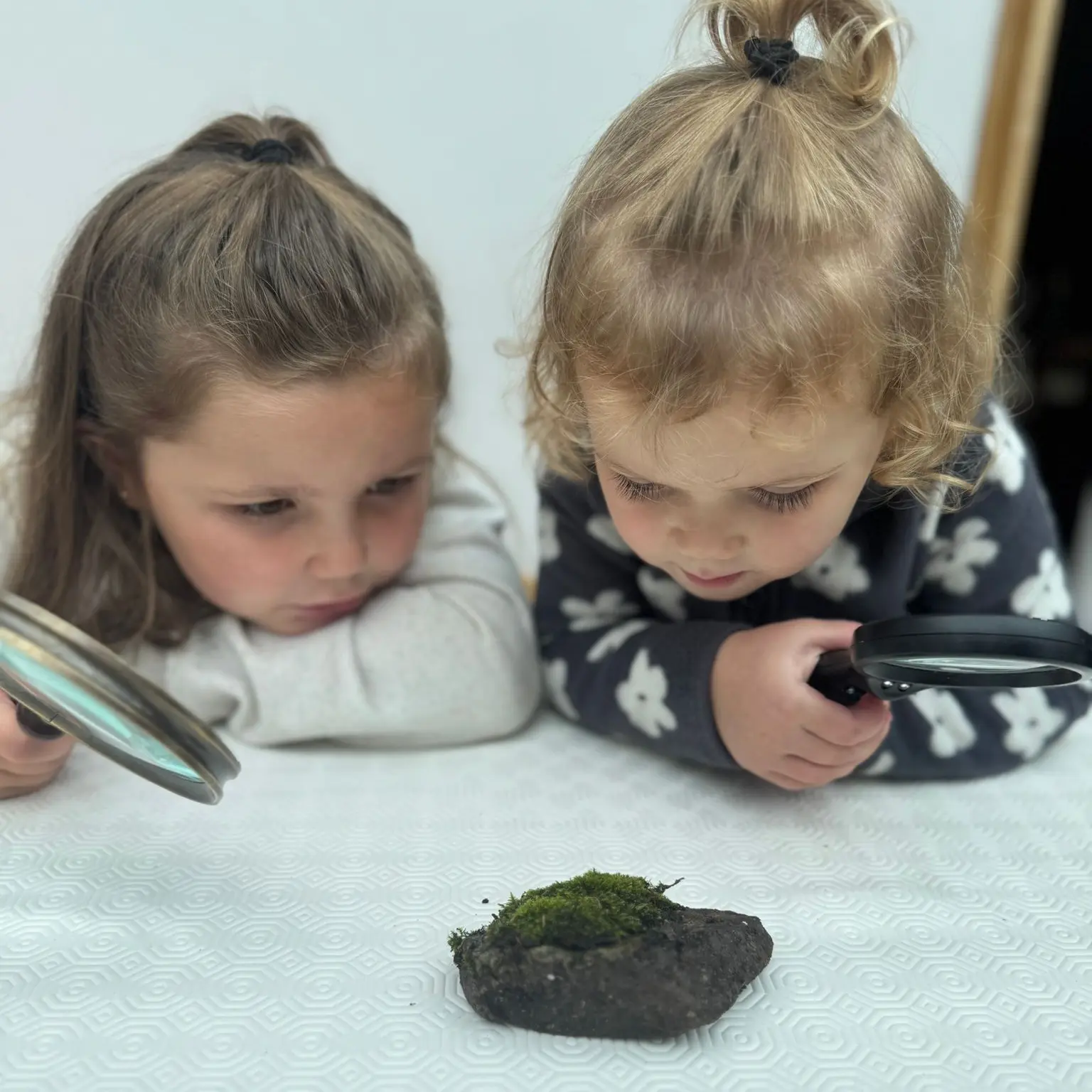
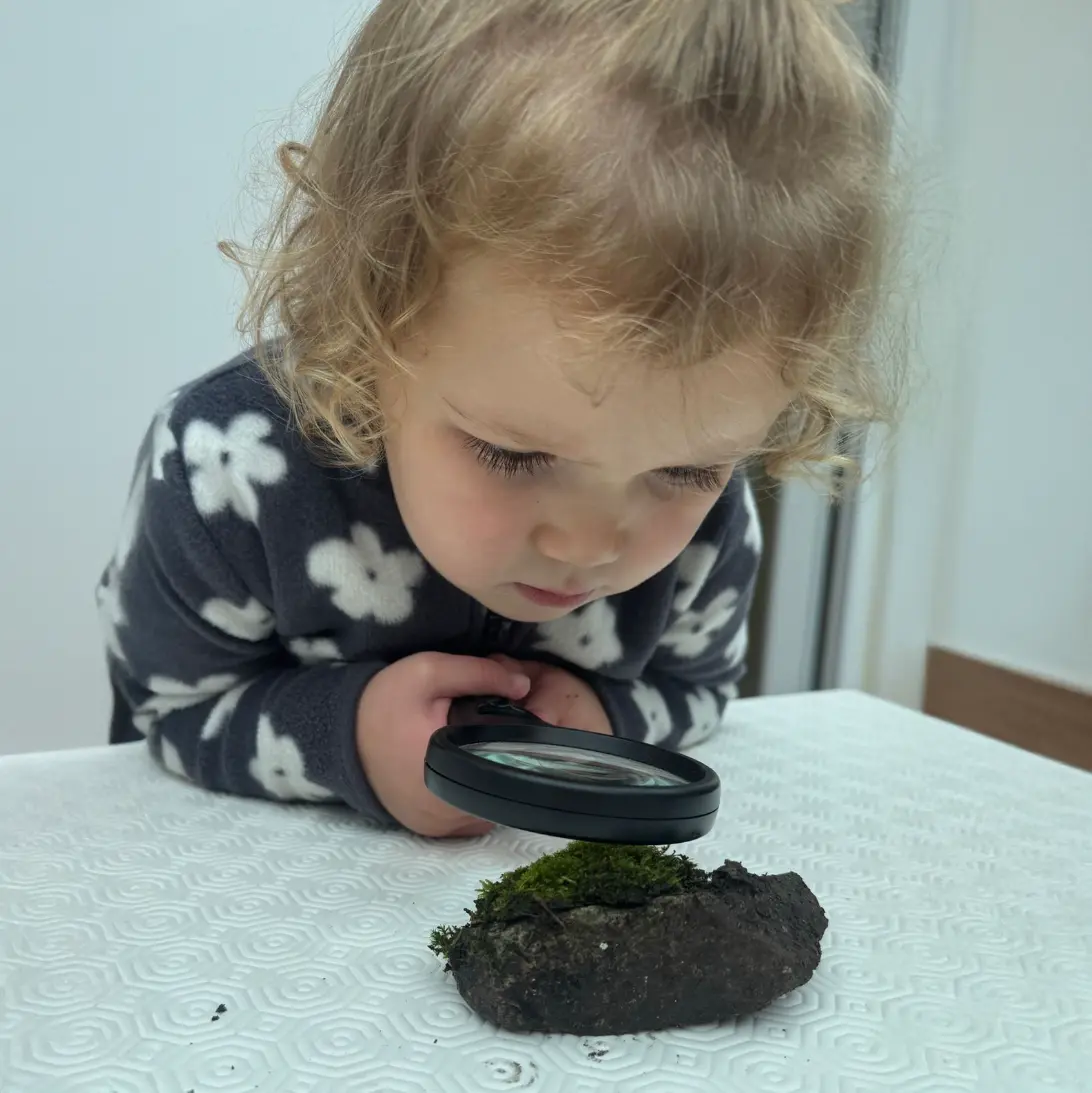
Brea has earned quite the reputation in our learning community as “the mini beast kid,” but during a recent outdoor exploration session focused on rocks and geology, her sharp eyes caught something equally fascinating. While examining rocks and pebbles with her learning partner Hattie, Brea’s attention shifted to some remarkable tiny plants growing nearby.
The Microscopic World of Moss
Brea’s natural affinity for small things drew her immediately to examine these discoveries more closely. The plants that captured her imagination were moss plants – those often-overlooked botanical treasures that showcase nature’s intricate design on a miniature scale.
What fascinated Brea most were the moss plants’ incredibly tiny leaves and delicate stem structures. This observation sparked our decision to expand the lesson into a dedicated moss-hunting expedition around our learning environment.
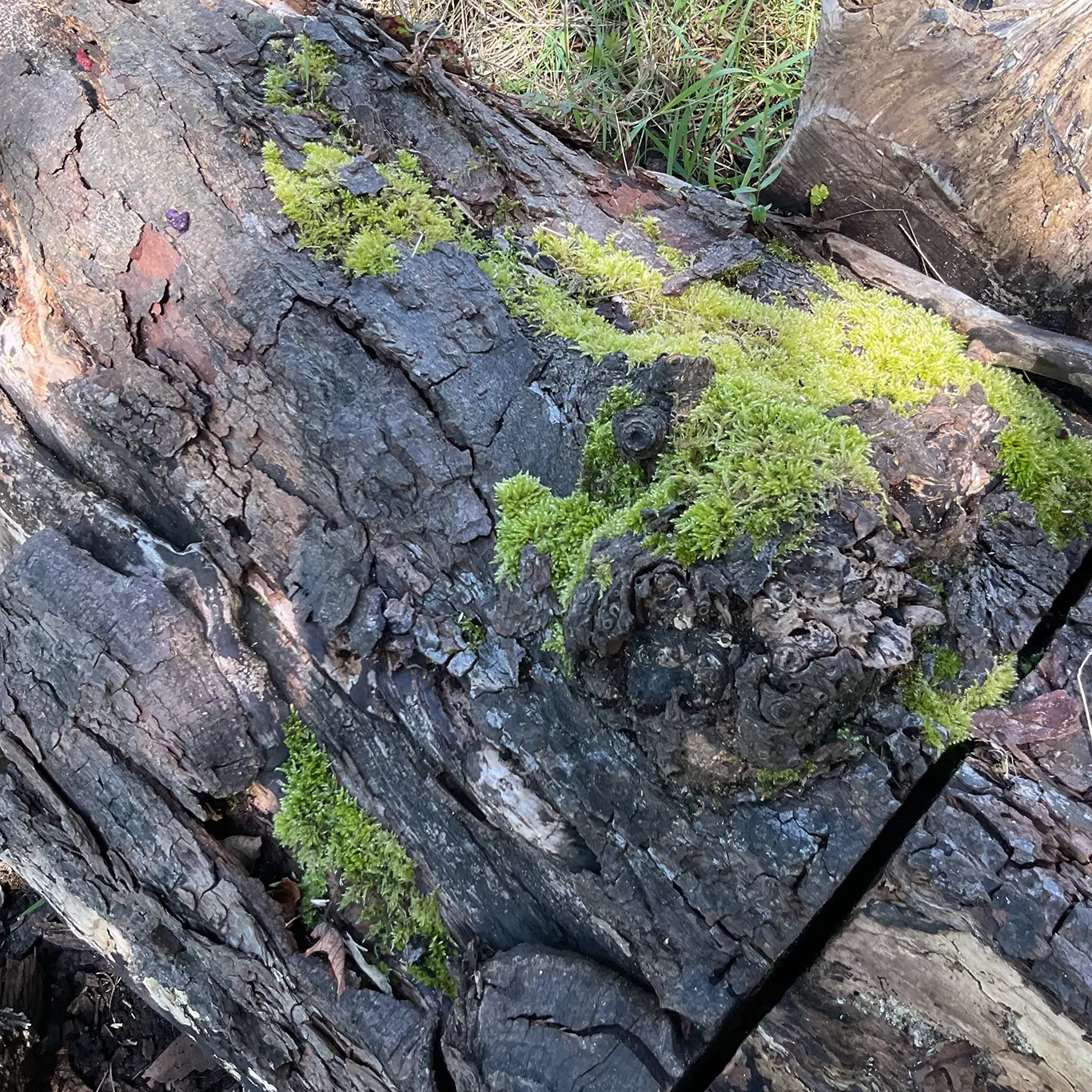
We discovered moss thriving on an old fallen log – a perfect example of how these resilient plants colonize diverse surfaces and contribute to ecosystem health.
Discovering Liverworts: Nature’s “Green Fingernails”
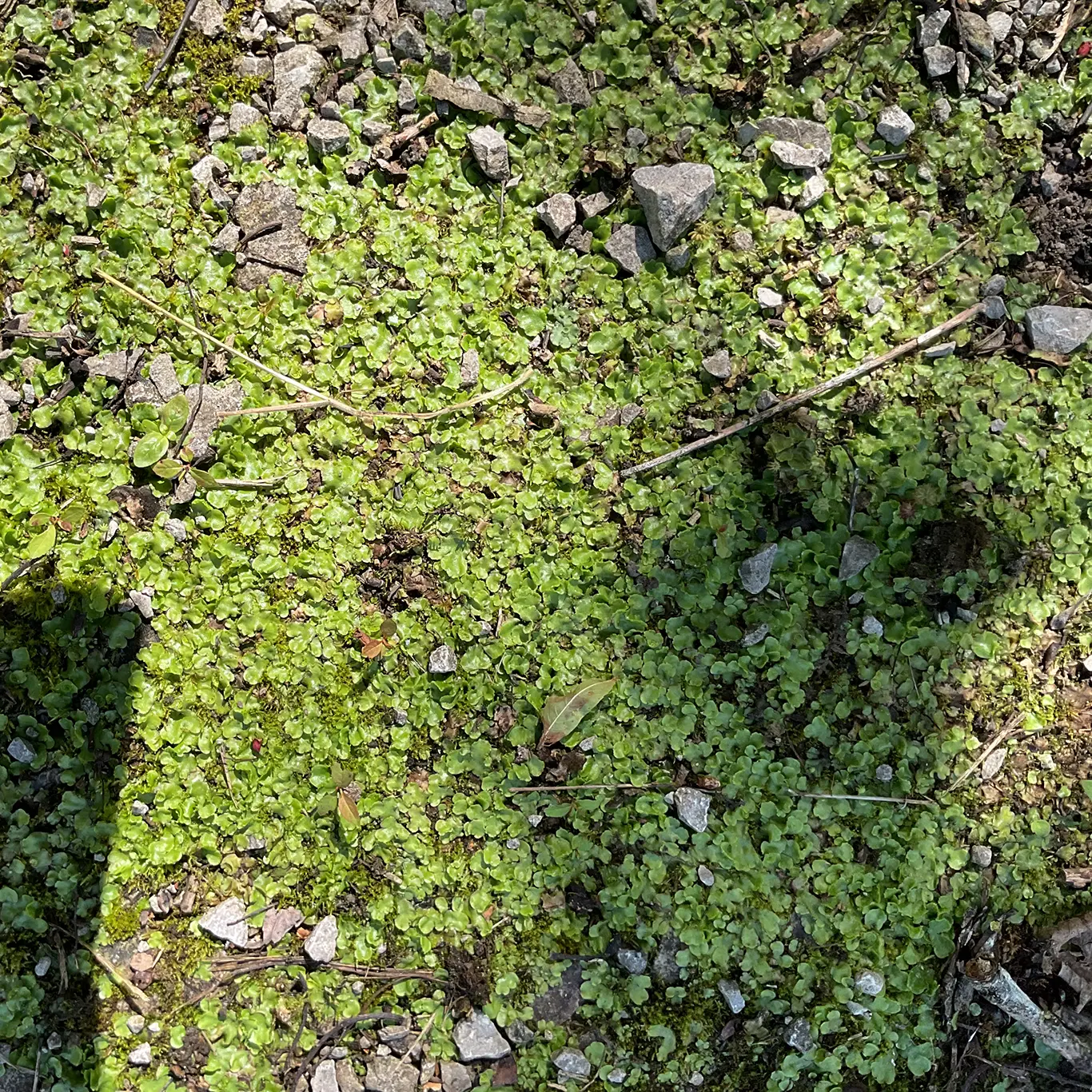
Our exploration continued as we encountered different miniature plants growing directly on the soil. Brea’s creative mind immediately compared them to “green fingernails,” but I explained these were actually liverworts – another fascinating group of non-vascular plants.
This discovery provided an excellent teaching moment about habitat preferences. While moss demonstrates remarkable adaptability, growing everywhere from dry stone walls and tree bark to rocks and various soil types, liverworts have more specific requirements. These moisture-loving plants establish themselves only in consistently damp environments – a key ecological concept for young naturalists to understand.
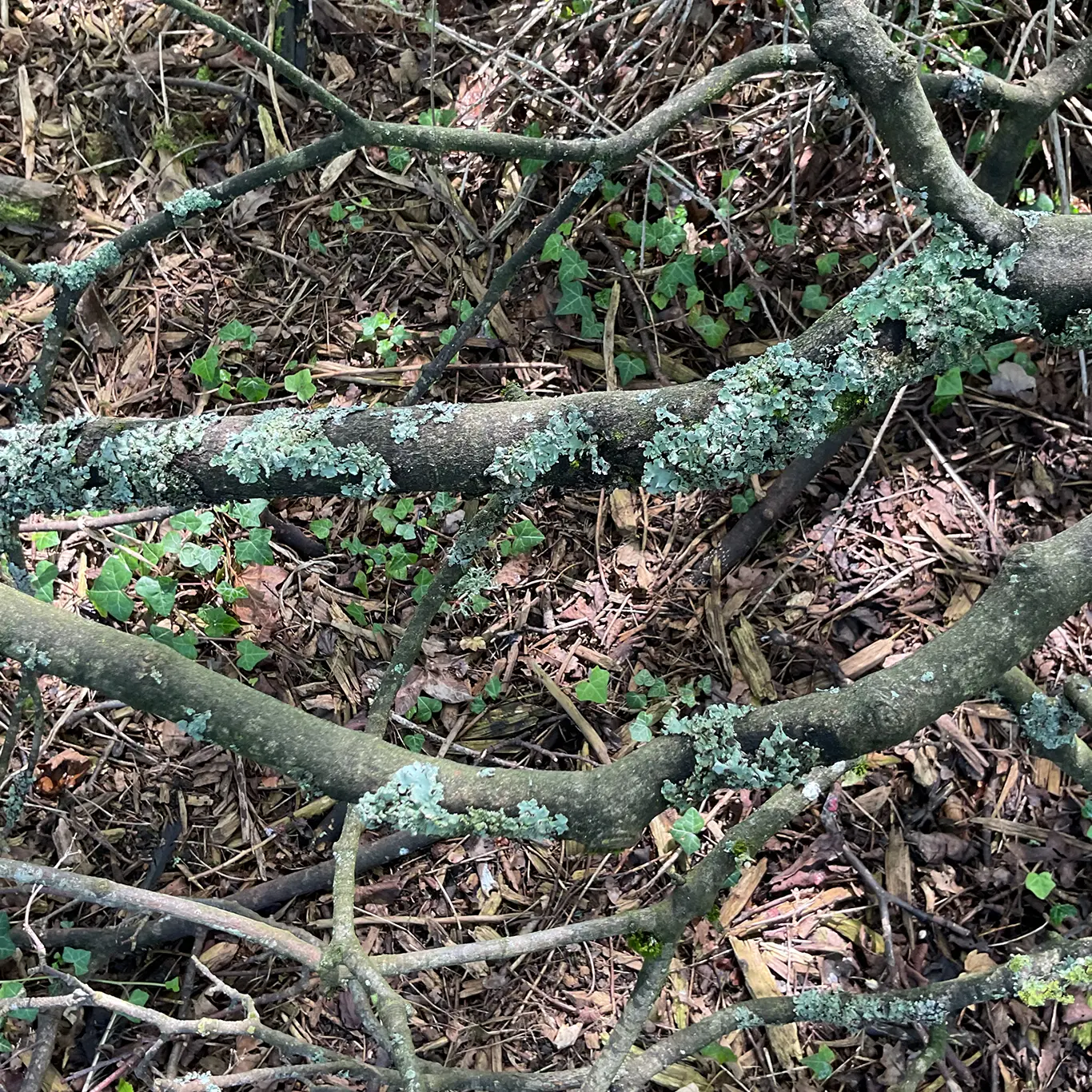
Lichens: A Partnership in Nature
Brea’s investigative spirit led her to examine what appeared to be plants growing on a fallen branch, but this presented an opportunity to introduce a more complex biological concept.
These specimens were lichens – not plants at all, but remarkable examples of symbiosis in action. I explained how lichens represent a partnership between fungi and algae living together. The fungal component creates the visible structure we observe and provides anchorage, while microscopic algae living within the lichen convert sunlight into food through photosynthesis, sharing this nutrition with their fungal partners.
Ferns: From Miniature to Magnificent
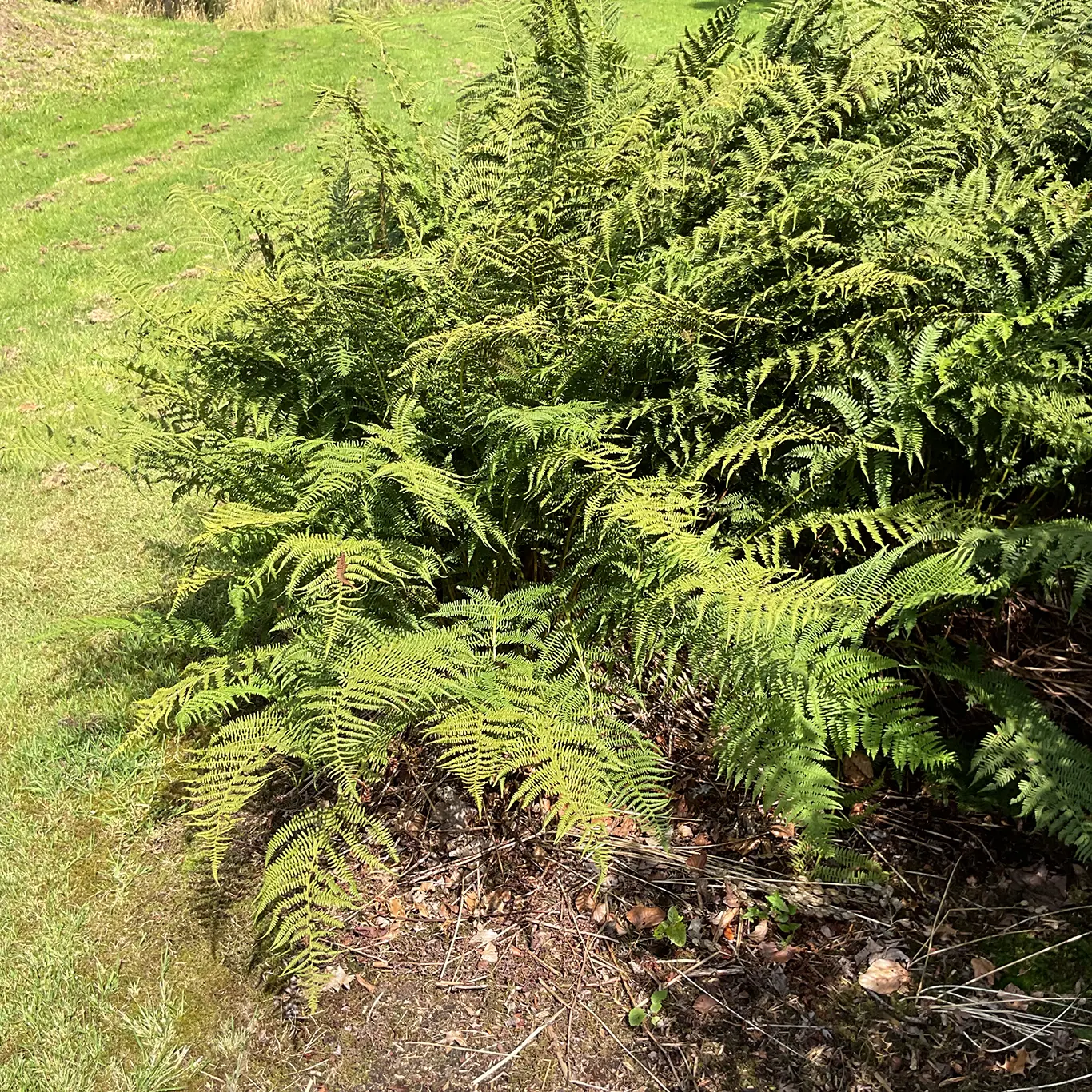
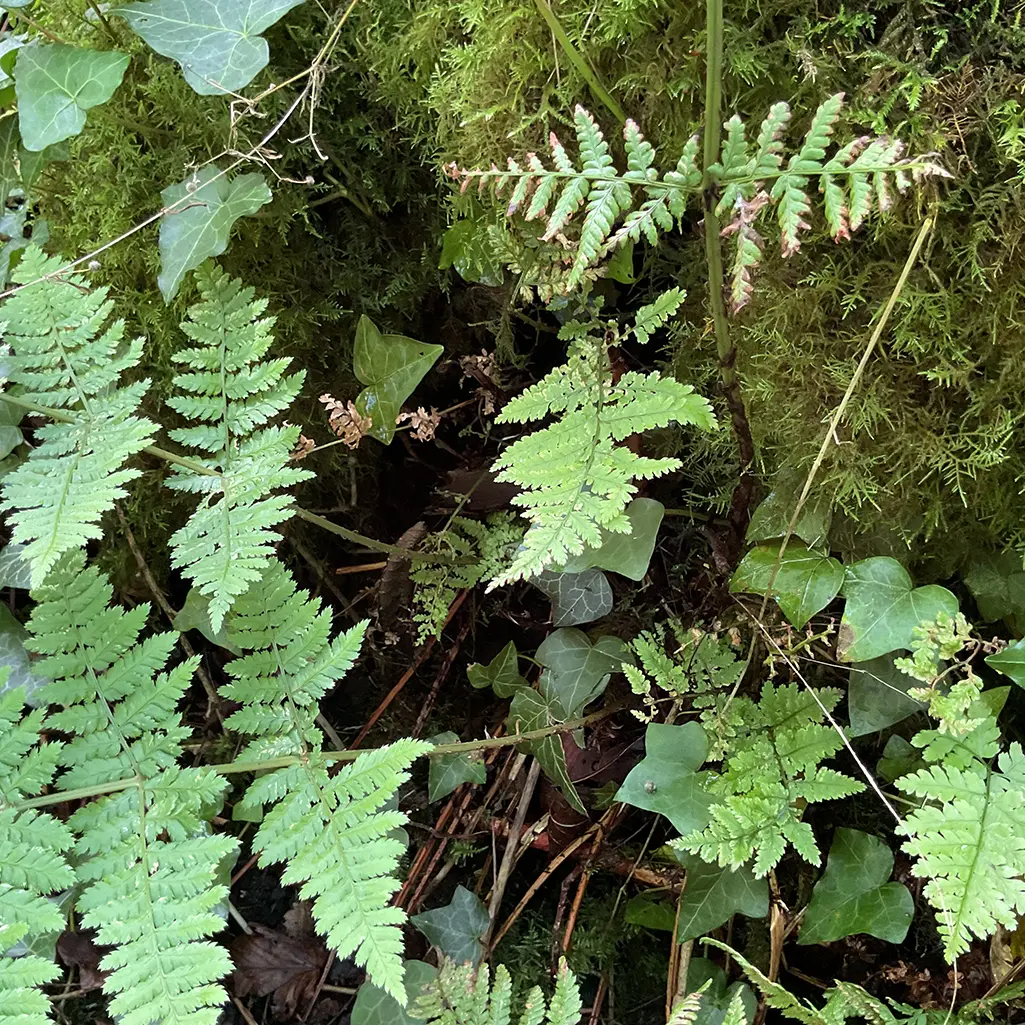
Along a moss-covered bank, Brea spotted plants with distinctive feather-like leaves that immediately caught her attention.
These were ferns, and I introduced the proper botanical terminology – those feather-like structures are called fronds. Our exploration revealed both tiny young ferns and much larger, more established specimens nearby.
This size variation provided an perfect opportunity to discuss plant development and growth patterns. While ferns begin life as miniature plants like all others, they eventually join the ranks of more familiar, larger plants as they mature.
The Mystery of Missing Flowers
Throughout our investigation, Brea searched diligently for flowers among the moss, liverworts, lichens, and ferns. Her inability to locate any flowers created an ideal teaching moment about plant reproduction strategies.
These fascinating organisms don’t produce flowers because they’ve evolved different reproductive methods. Mosses, liverworts, and ferns reproduce through spores rather than seeds, while lichens can reproduce by simply fragmenting to create new organisms.

Educational Resources for Further Learning
This outdoor exploration perfectly demonstrates how children’s natural curiosity can be channeled into meaningful scientific learning. For educators and parents seeking to expand children’s botanical knowledge, I’ve compiled comprehensive information about mosses, liverworts, lichens, ferns, and other plant types in my book “Curiosity Box Plants,” available to buy on various website, find out more here.
Teachers looking for curriculum-aligned content can also access my “Ways into Science” video series on plants, found in the Science Books and Videos section for primary schools on my website. These resources help place today’s discoveries within the broader context of plant kingdom classification and relationships.
Encouraging Nature Connection in Young Learners
This experience with Brea and Hattie exemplifies why hands-on nature exploration remains crucial for child development. In our increasingly digital world, providing children with opportunities to observe, question, and investigate the natural world around them helps combat nature-deficit disorder while building essential scientific thinking skills.
As educators and parents, we can nurture this innate curiosity by encouraging children to look closely at the small wonders surrounding us daily – from tiny moss forests on logs to the complex partnerships of lichens on tree bark.
