
Over Seventy Years of Rock Pooling: A Naturalist’s Journey from Child to Educator
When you’re planning your next coastal visit, I encourage you to discover one of nature’s most accessible classrooms – the fascinating world of rock pools. As an author and naturalist with over seven decades of experience exploring our shores, I can tell you that rock pooling remains one of the most rewarding ways to connect children with marine wildlife.
Where It All Began: A Five-Year-Old’s First Discovery
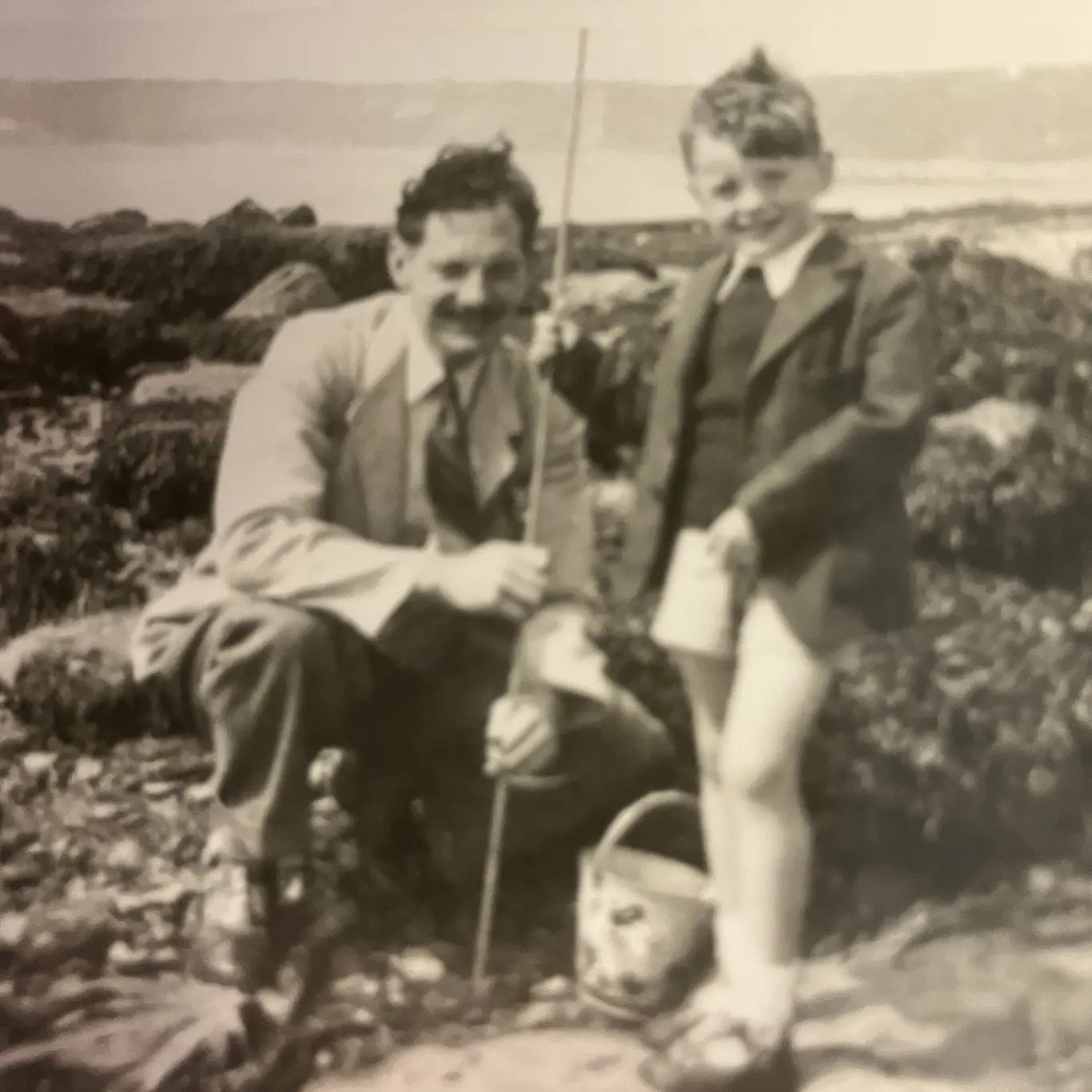
My rock pooling journey started in the early 1950s when I was just five years old, exploring the rugged beauty of Filey Brigg with my parents. That photograph of my father and me, captured all those years ago, marks the beginning of what would become a lifelong passion for natural history – one that has shaped my career as an educational author and led to everything you see on this website today.
Returning to My Roots: Sixty Years Later
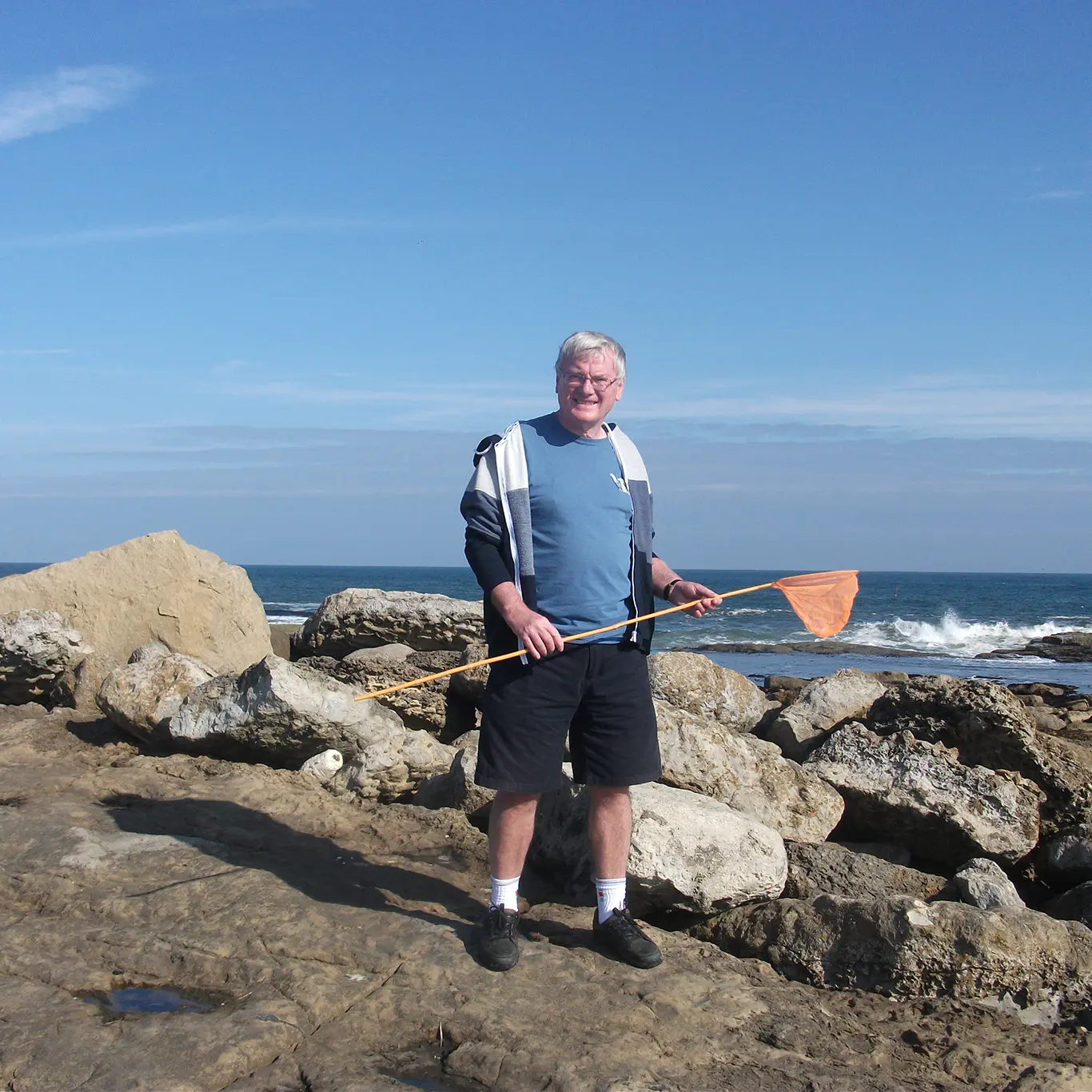
A few years ago, I returned to that very same rock pool where my fascination with marine life began – approximately sixty years after my first tentative steps with a fishing net. The experience was profoundly moving, connecting my childhood wonder with decades of professional expertise in natural history education.
Standing there, I was transported back to that curious five-year-old, yet now I could appreciate the intricate ecosystem with the trained eye of a seasoned naturalist.
The Living Classroom: What You’ll Discover
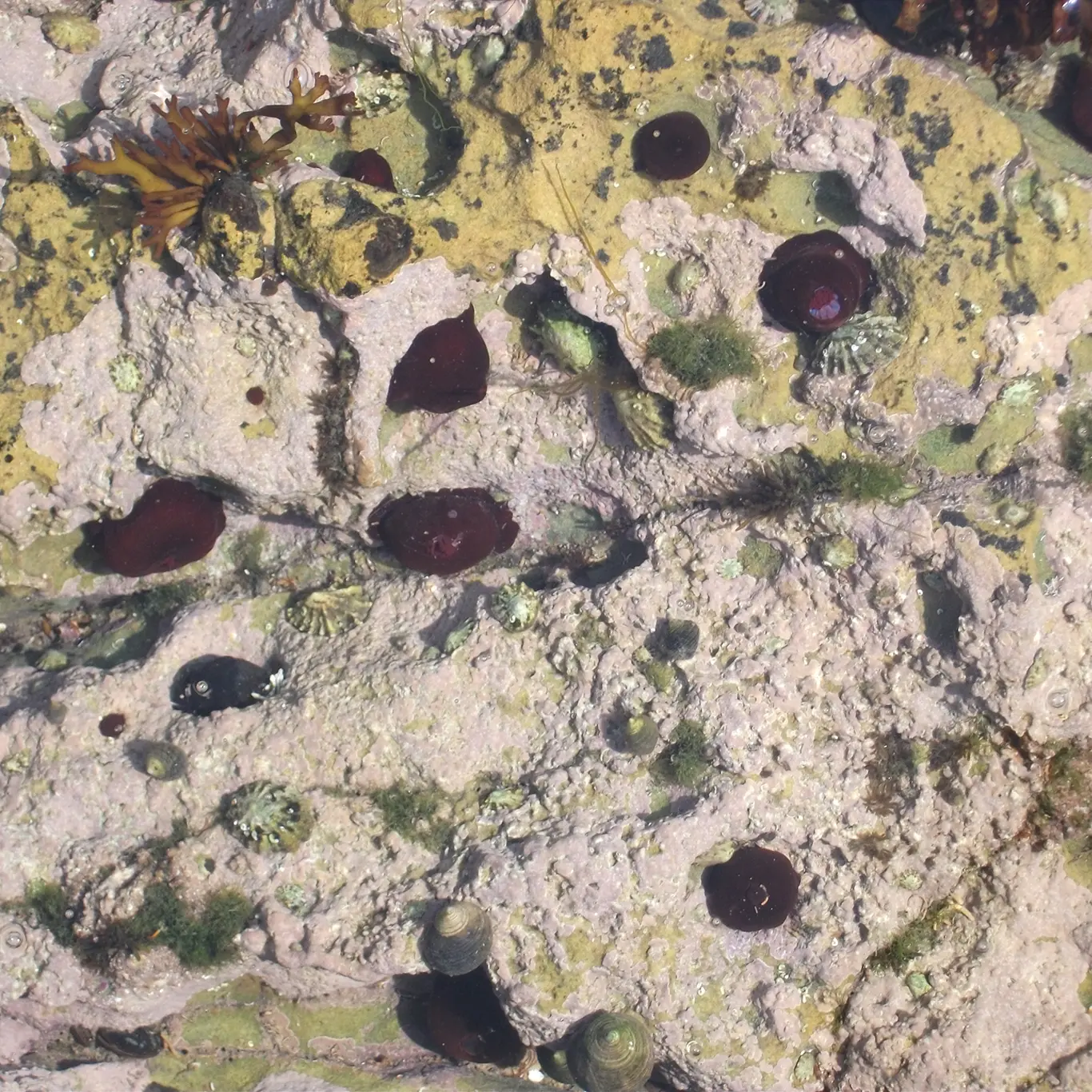
Peering into that familiar pool, the underwater landscape revealed its treasures: limpets resembling miniature volcanoes dotting the rocky moonscape, elegant spirals of sea snails clustered near the pool’s base, and the deep red, jelly-like forms of sea anemones with tentacles retracted, patiently awaiting the tide’s return.
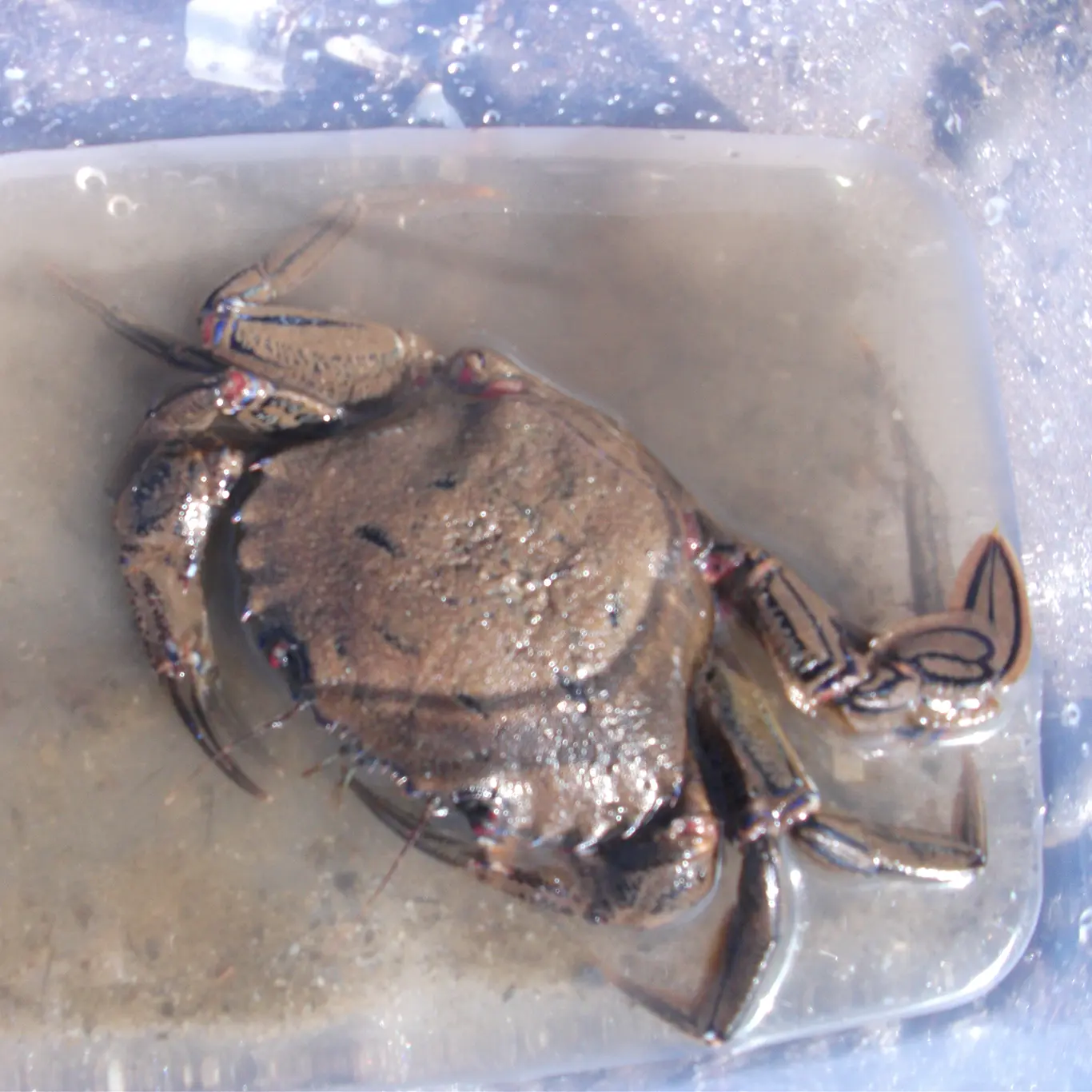
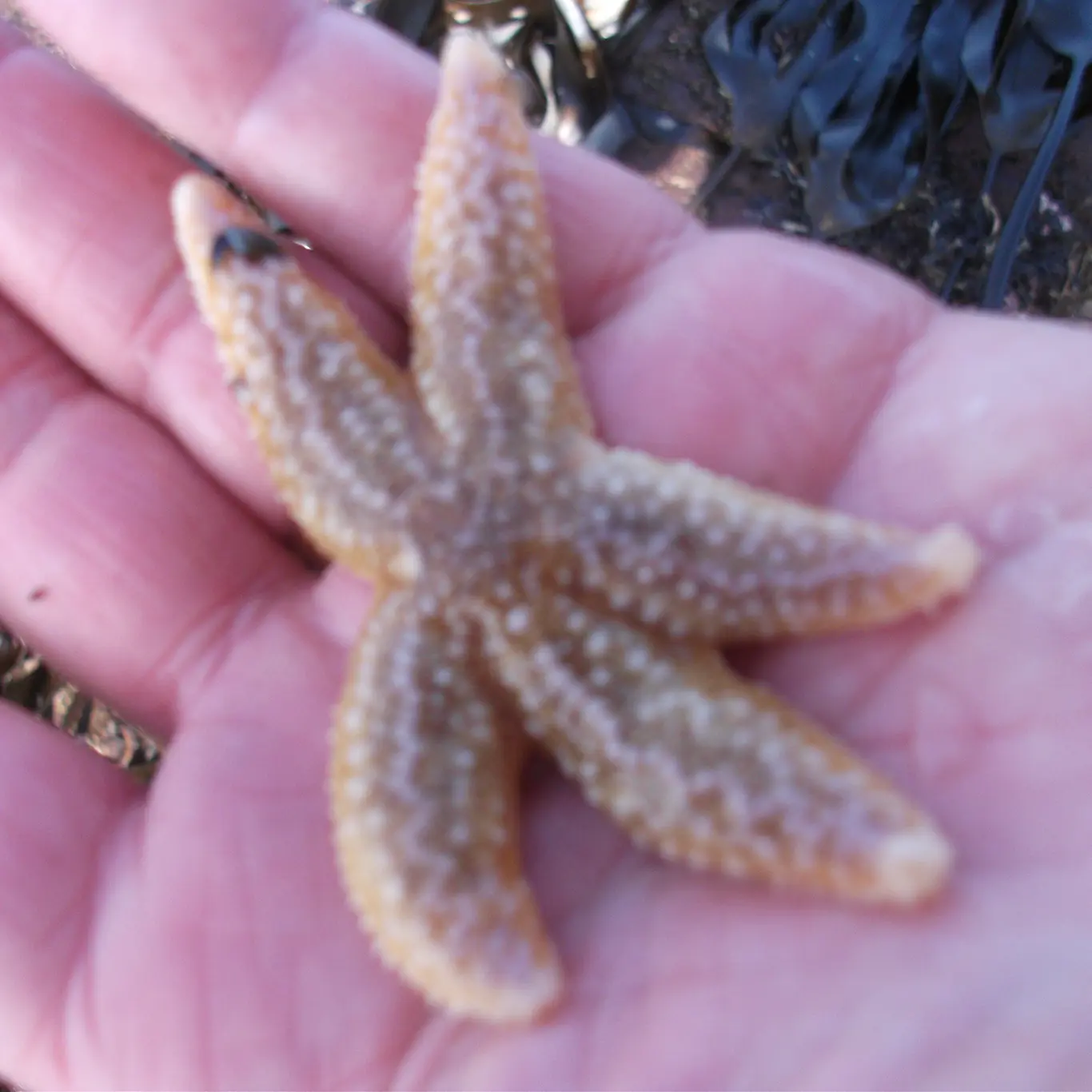
Rock pools are living laboratories that never fail to captivate. During my recent visit, several children naturally gravitated toward the pool, their eyes wide with wonder at the wildlife within. I carefully caught a crab in a viewing box, allowing them to observe its intricate details safely, and gently held a starfish for a few precious moments so they could examine this remarkable creature up close.
From Personal Experience to Published Expertise
My decades of coastal exploration culminated in “Curiosity Box Sea Shore,” a book dedicated to Filey Bay and my parents who first introduced me to this magical world. Drawing from seventy years of hands-on experience, this resource helps families make the most of their rock pooling adventures. The book is available through various online retailers and has been trusted by educators and parents alike.
Expert Resources for Your Rock Pooling Adventure
To help you create meaningful learning experiences with your children or grandchildren, I recommend these carefully selected resources:
- The Rockpooling Guide at BBC Countryfile – Comprehensive identification tips from trusted naturalists
- How to Go Rock Pooling at Cool of the Wild – Practical advice for safe and successful expeditions
- The Wildlife Trust’s Where to See Rockpool Wildlife – Location guides from conservation experts


Why Rock Pooling Matters for Young Learners
As someone who has spent a lifetime studying and writing about natural history, I can attest that rock pooling offers children an unparalleled opportunity to:
- Develop observational skills through hands-on discovery
- Learn about marine ecosystems and conservation
- Build confidence in outdoor exploration
- Create lasting memories that may spark lifelong interests
Whether you’re a teacher planning a school trip, a parent seeking educational activities, or a grandparent wanting to share the wonders of nature, rock pooling provides an accessible gateway to marine biology that requires no special equipment – just curiosity and gentle hands.
The next time you visit the coast, remember that each rock pool is a window into an ancient world, waiting to inspire the next generation of nature lovers. After seventy years of exploration, I can promise you this: the sense of wonder never fades.
